

ASTM D8208-19
(Practice)Standard Practice for Collection of Non-Fibrous Nanoparticles Using a Nanoparticle Respiratory Deposition (NRD) Sampler
General Information
- Abstract
SIGNIFICANCE AND USE
5.1 Exposures to high concentrations of aerosolized fine and ultrafine non-fibrous metal particles, including manganese (Mn), chromium (Cr), and nickel (Ni) generated during processes that involve high energy such as welding or smelting, may elicit deleterious health effects. Animal and epidemiological studies have associated welding and related work processes with a wide range of adverse health effects, including upper respiratory effects (rhinitis and laryngitis), pulmonary effects (pneumonitis, chronic bronchitis, decreased pulmonary function), potential neurological disorders (manganese-induced Parkinsonism), and high lung cancer and pneumoconiosis death rates. Manganese has been associated with neurological diseases.
5.2 Nanoparticles produced from metals, or their oxides and chalcogenides, have found many industrial uses. Examples of nanometals include silver (Ag), gold (Au), iron (Fe), copper (Cu), cadmium (Cd), zinc (Zn), platinum (Pt), and lead (Pd); examples of nanometal oxides include aluminium oxide (Al2O3), magnesium oxide (MgO), zirconium dioxide (ZrO2), cerium(IV) oxide (CeO2), titanium dioxide (TiO2), zinc oxide (ZnO), iron(III) oxide (Fe2O3), and tin(II) oxide (SnO); examples of nanometal sulfides include copper monosulfide (CuS), cadmium sulfide (CdS), zinc sulfide (ZnS), silver sulfide (AgS), tin sulfide (SnS), and many sulfides of Ni and cobalt (Co); examples of nanometal selenides include zinc selenide (ZnSe), cadmium selenide (CdSe), and mercury selenide (HgSe). Both the manufacture and use of these nanoparticles can result in particle inhalation, and consequent ill-effects. A stronger association has often been found between adverse health and cellular effects and inhalation of nanoparticles compared to larger particles of the same composition.
5.3 Aerosol sampling methods generally specify the collection of workplace air samples using inhalable and related samplers. These exposure assessment methods, as well as the use of respirable and...
SCOPE
1.1 This practice describes specified apparatus and procedures for collection of non-fibrous airborne metal nanoparticles generated during work activities.
1.2 Nanoparticle respiratory deposition (NRD) samplers are designed to follow a nanoparticulate matter (NPM) deposition curve based on the International Commission on Radiological Protection (ICRP) model for deposition of particles smaller than 300 nm (the minimum deposition for submicrometre particles) while removing the larger particles (1).2
1.3 This practice is applicable to personal and area sampling during work processes and situations where metal nanoparticles may be generated (for example, welding, smelting, shooting ranges).
1.4 This practice is intended for use by professionals experienced in the use of devices for occupational air sampling (such as cyclone samplers).
1.5 This practice is not applicable to the sampling of fibrous nanoparticles such as carbon nanotubes.
1.6 Detailed operating instructions are not provided owing to differences among various makes and models of suitable devices and instruments. The user is expected to follow specific instructions provided by the manufacturers of particular items of equipment. This practice does not address comparative accuracy of different devices nor the precision between instruments of the same make and model.
1.7 This practice contains notes that are explanatory and are not part of the mandatory requirements of the method.
1.8 The values stated in SI units are to be regarded as standard. No other units of measurement are included in this standard.
1.9 This standard does not purport to address all of the safety concerns, if any, associated with its use. It is the responsibility of the user of this standard to establish appropriate safety, health, and environmental practices and determine the applicability of regulatory limitations prior to use.
1.10 This international standard was d...
- Status
- Published
- Publication Date
- 31-May-2019
- Technical Committee
- D22 - Air Quality
- Drafting Committee
- D22.04 - Workplace Air Quality
Overview
ASTM D8208-19 is a standard developed by ASTM International that establishes a practice for the collection of non-fibrous airborne metal nanoparticles using a Nanoparticle Respiratory Deposition (NRD) Sampler. This standard addresses workplace exposure to fine and ultrafine non-fibrous metal nanoparticles-such as manganese, chromium, and nickel-which can be generated by high-energy industrial processes like welding, smelting, and activities in shooting ranges. The standard is designed to support professionals in occupational hygiene and industrial hygiene in the accurate assessment of nanoparticle exposure, thereby aiding in the evaluation of potential health risks.
The NRD Sampler, central to this standard, emulates the deposition of nanoparticles in the human respiratory tract as modeled by the International Commission on Radiological Protection (ICRP). It selectively collects nanoparticles smaller than 300 nm while eliminating larger particles, ensuring relevant, health-based exposure assessment.
Key Topics
- Relevance of Nanoparticle Sampling: Industrial processes can create high concentrations of non-fibrous metal nanoparticles, which are associated with significant respiratory and neurological health effects.
- Targeted Collection: The NRD sampler is tailored to gather airborne metal nanoparticles, excluding larger particulates and fibrous materials like carbon nanotubes.
- Sampling Methodology: Includes specifications for apparatus, such as the NRD sampler, diffusion media (e.g., nylon screens or polyurethane foam), and sampling pumps compliant with ISO 13137 standards.
- Airborne Metal Types: The standard identifies a diverse range of nanoparticle materials, including metals (Ag, Au, Fe, Cu, etc.), metal oxides (Al2O3, TiO2, Fe2O3, etc.), sulfides, and selenides.
- Health and Safety: Emphasizes the need for proper safety, health, and environmental practices during sampling and analysis, and notes that the standard does not cover all regulatory requirements.
- Sample Analysis: Collected samples may be analyzed using a variety of validated elemental analysis techniques, such as inductively coupled plasma-mass spectrometry (ICP-MS), atomic absorption, and ion chromatography.
Applications
- Occupational Hygiene: ASTM D8208-19 is critical for professionals conducting workplace exposure assessments in environments where metal nanoparticles are present. This includes personal and area sampling during welding, smelting, and shooting range operations.
- Exposure Risk Assessment: Enables more accurate evaluations of health risks from inhalation of metal nanoparticles, supporting regulatory compliance and workplace safety programs.
- Industrial Environments: Especially suited for monitoring in sectors like manufacturing, metalworking, or any operation generating fine and ultrafine non-fibrous metal aerosols.
- Research and Toxicology Studies: Supports toxicological and epidemiological studies by providing a more physiologically relevant measure of respiratory exposure to nanoparticles.
Related Standards
- ASTM D1356 - Terminology Relating to Sampling and Analysis of Atmospheres
- ASTM D4532, D7035, D7439 - Methods for measuring respirable dust, metals in air, and elements by ICP-AES and ICP-MS
- ISO 7708, ISO 13137, ISO 13138 - Standards for health-related particle size definitions, air pumps, and sampling conventions
- ISO 14644-1 - Cleanrooms and air cleanliness by particle concentration
- ASTM D4840, D5337 - Sample chain-of-custody and personal sampling pump flow adjustment
- E1370 - Guide for air sampling strategies for worker and workplace protection
Adhering to ASTM D8208-19 ensures reliable, reproducible, and physiologically meaningful monitoring of non-fibrous metal nanoparticle exposure in occupational settings, thus facilitating better workplace air quality management and supporting worker health and safety.
Relations
- Effective Date
- 01-Sep-2020
- Effective Date
- 15-Mar-2020
- Effective Date
- 01-Dec-2018
- Effective Date
- 15-Aug-2018
- Effective Date
- 15-Oct-2015
- Effective Date
- 01-Jul-2015
- Effective Date
- 01-Dec-2014
- Effective Date
- 01-May-2014
- Effective Date
- 01-Apr-2014
- Effective Date
- 01-Apr-2014
- Effective Date
- 15-Jan-2014
- Effective Date
- 01-Oct-2013
- Effective Date
- 01-Oct-2013
- Effective Date
- 01-Oct-2013
- Effective Date
- 15-Nov-2011
Get Certified
Connect with accredited certification bodies for this standard

CIS Institut d.o.o.
Personal Protective Equipment (PPE) certification body. Notified Body NB-2890 for EU Regulation 2016/425 PPE.

Kiwa BDA Testing
Building and construction product certification.
Kmetijski inštitut Slovenije
Agricultural Institute of Slovenia. Soil testing, plant health, agricultural product analysis.
Sponsored listings
Frequently Asked Questions
ASTM D8208-19 is a standard published by ASTM International. Its full title is "Standard Practice for Collection of Non-Fibrous Nanoparticles Using a Nanoparticle Respiratory Deposition (NRD) Sampler". This standard covers: SIGNIFICANCE AND USE 5.1 Exposures to high concentrations of aerosolized fine and ultrafine non-fibrous metal particles, including manganese (Mn), chromium (Cr), and nickel (Ni) generated during processes that involve high energy such as welding or smelting, may elicit deleterious health effects. Animal and epidemiological studies have associated welding and related work processes with a wide range of adverse health effects, including upper respiratory effects (rhinitis and laryngitis), pulmonary effects (pneumonitis, chronic bronchitis, decreased pulmonary function), potential neurological disorders (manganese-induced Parkinsonism), and high lung cancer and pneumoconiosis death rates. Manganese has been associated with neurological diseases. 5.2 Nanoparticles produced from metals, or their oxides and chalcogenides, have found many industrial uses. Examples of nanometals include silver (Ag), gold (Au), iron (Fe), copper (Cu), cadmium (Cd), zinc (Zn), platinum (Pt), and lead (Pd); examples of nanometal oxides include aluminium oxide (Al2O3), magnesium oxide (MgO), zirconium dioxide (ZrO2), cerium(IV) oxide (CeO2), titanium dioxide (TiO2), zinc oxide (ZnO), iron(III) oxide (Fe2O3), and tin(II) oxide (SnO); examples of nanometal sulfides include copper monosulfide (CuS), cadmium sulfide (CdS), zinc sulfide (ZnS), silver sulfide (AgS), tin sulfide (SnS), and many sulfides of Ni and cobalt (Co); examples of nanometal selenides include zinc selenide (ZnSe), cadmium selenide (CdSe), and mercury selenide (HgSe). Both the manufacture and use of these nanoparticles can result in particle inhalation, and consequent ill-effects. A stronger association has often been found between adverse health and cellular effects and inhalation of nanoparticles compared to larger particles of the same composition. 5.3 Aerosol sampling methods generally specify the collection of workplace air samples using inhalable and related samplers. These exposure assessment methods, as well as the use of respirable and... SCOPE 1.1 This practice describes specified apparatus and procedures for collection of non-fibrous airborne metal nanoparticles generated during work activities. 1.2 Nanoparticle respiratory deposition (NRD) samplers are designed to follow a nanoparticulate matter (NPM) deposition curve based on the International Commission on Radiological Protection (ICRP) model for deposition of particles smaller than 300 nm (the minimum deposition for submicrometre particles) while removing the larger particles (1).2 1.3 This practice is applicable to personal and area sampling during work processes and situations where metal nanoparticles may be generated (for example, welding, smelting, shooting ranges). 1.4 This practice is intended for use by professionals experienced in the use of devices for occupational air sampling (such as cyclone samplers). 1.5 This practice is not applicable to the sampling of fibrous nanoparticles such as carbon nanotubes. 1.6 Detailed operating instructions are not provided owing to differences among various makes and models of suitable devices and instruments. The user is expected to follow specific instructions provided by the manufacturers of particular items of equipment. This practice does not address comparative accuracy of different devices nor the precision between instruments of the same make and model. 1.7 This practice contains notes that are explanatory and are not part of the mandatory requirements of the method. 1.8 The values stated in SI units are to be regarded as standard. No other units of measurement are included in this standard. 1.9 This standard does not purport to address all of the safety concerns, if any, associated with its use. It is the responsibility of the user of this standard to establish appropriate safety, health, and environmental practices and determine the applicability of regulatory limitations prior to use. 1.10 This international standard was d...
SIGNIFICANCE AND USE 5.1 Exposures to high concentrations of aerosolized fine and ultrafine non-fibrous metal particles, including manganese (Mn), chromium (Cr), and nickel (Ni) generated during processes that involve high energy such as welding or smelting, may elicit deleterious health effects. Animal and epidemiological studies have associated welding and related work processes with a wide range of adverse health effects, including upper respiratory effects (rhinitis and laryngitis), pulmonary effects (pneumonitis, chronic bronchitis, decreased pulmonary function), potential neurological disorders (manganese-induced Parkinsonism), and high lung cancer and pneumoconiosis death rates. Manganese has been associated with neurological diseases. 5.2 Nanoparticles produced from metals, or their oxides and chalcogenides, have found many industrial uses. Examples of nanometals include silver (Ag), gold (Au), iron (Fe), copper (Cu), cadmium (Cd), zinc (Zn), platinum (Pt), and lead (Pd); examples of nanometal oxides include aluminium oxide (Al2O3), magnesium oxide (MgO), zirconium dioxide (ZrO2), cerium(IV) oxide (CeO2), titanium dioxide (TiO2), zinc oxide (ZnO), iron(III) oxide (Fe2O3), and tin(II) oxide (SnO); examples of nanometal sulfides include copper monosulfide (CuS), cadmium sulfide (CdS), zinc sulfide (ZnS), silver sulfide (AgS), tin sulfide (SnS), and many sulfides of Ni and cobalt (Co); examples of nanometal selenides include zinc selenide (ZnSe), cadmium selenide (CdSe), and mercury selenide (HgSe). Both the manufacture and use of these nanoparticles can result in particle inhalation, and consequent ill-effects. A stronger association has often been found between adverse health and cellular effects and inhalation of nanoparticles compared to larger particles of the same composition. 5.3 Aerosol sampling methods generally specify the collection of workplace air samples using inhalable and related samplers. These exposure assessment methods, as well as the use of respirable and... SCOPE 1.1 This practice describes specified apparatus and procedures for collection of non-fibrous airborne metal nanoparticles generated during work activities. 1.2 Nanoparticle respiratory deposition (NRD) samplers are designed to follow a nanoparticulate matter (NPM) deposition curve based on the International Commission on Radiological Protection (ICRP) model for deposition of particles smaller than 300 nm (the minimum deposition for submicrometre particles) while removing the larger particles (1).2 1.3 This practice is applicable to personal and area sampling during work processes and situations where metal nanoparticles may be generated (for example, welding, smelting, shooting ranges). 1.4 This practice is intended for use by professionals experienced in the use of devices for occupational air sampling (such as cyclone samplers). 1.5 This practice is not applicable to the sampling of fibrous nanoparticles such as carbon nanotubes. 1.6 Detailed operating instructions are not provided owing to differences among various makes and models of suitable devices and instruments. The user is expected to follow specific instructions provided by the manufacturers of particular items of equipment. This practice does not address comparative accuracy of different devices nor the precision between instruments of the same make and model. 1.7 This practice contains notes that are explanatory and are not part of the mandatory requirements of the method. 1.8 The values stated in SI units are to be regarded as standard. No other units of measurement are included in this standard. 1.9 This standard does not purport to address all of the safety concerns, if any, associated with its use. It is the responsibility of the user of this standard to establish appropriate safety, health, and environmental practices and determine the applicability of regulatory limitations prior to use. 1.10 This international standard was d...
ASTM D8208-19 is classified under the following ICS (International Classification for Standards) categories: 07.120 - Nanotechnologies; 13.040.30 - Workplace atmospheres. The ICS classification helps identify the subject area and facilitates finding related standards.
ASTM D8208-19 has the following relationships with other standards: It is inter standard links to ASTM D1356-20a, ASTM D1356-20, ASTM D6832-13(2018), ASTM D4840-99(2018)e1, ASTM D1356-15a, ASTM D1356-15, ASTM D1356-14b, ASTM D1356-14a, ASTM D7202-14e1, ASTM D7202-14, ASTM D1356-14, ASTM D6785-13, ASTM D6832-13, ASTM D6832-13e1, ASTM D5337-11. Understanding these relationships helps ensure you are using the most current and applicable version of the standard.
ASTM D8208-19 is available in PDF format for immediate download after purchase. The document can be added to your cart and obtained through the secure checkout process. Digital delivery ensures instant access to the complete standard document.
Standards Content (Sample)
This international standard was developed in accordance with internationally recognized principles on standardization established in the Decision on Principles for the
Development of International Standards, Guides and Recommendations issued by the World Trade Organization Technical Barriers to Trade (TBT) Committee.
Designation: D8208 − 19
Standard Practice for
Collection of Non-Fibrous Nanoparticles Using a
Nanoparticle Respiratory Deposition (NRD) Sampler
This standard is issued under the fixed designation D8208; the number immediately following the designation indicates the year of
original adoption or, in the case of revision, the year of last revision.Anumber in parentheses indicates the year of last reapproval.A
superscript epsilon (´) indicates an editorial change since the last revision or reapproval.
1. Scope responsibility of the user of this standard to establish appro-
priate safety, health, and environmental practices and deter-
1.1 This practice describes specified apparatus and proce-
mine the applicability of regulatory limitations prior to use.
duresforcollectionofnon-fibrousairbornemetalnanoparticles
1.10 This international standard was developed in accor-
generated during work activities.
dance with internationally recognized principles on standard-
1.2 Nanoparticlerespiratorydeposition(NRD)samplersare
ization established in the Decision on Principles for the
designed to follow a nanoparticulate matter (NPM) deposition
Development of International Standards, Guides and Recom-
curve based on the International Commission on Radiological
mendations issued by the World Trade Organization Technical
Protection (ICRP) model for deposition of particles smaller
Barriers to Trade (TBT) Committee.
than 300 nm (the minimum deposition for submicrometre
particles) while removing the larger particles (1).
2. Referenced Documents
1.3 Thispracticeisapplicabletopersonalandareasampling 2.1 ASTM Standards:
during work processes and situations where metal nanopar-
D1356Terminology Relating to Sampling and Analysis of
ticles may be generated (for example, welding, smelting, Atmospheres
shooting ranges).
D4532Test Method for Respirable Dust in Workplace At-
mospheres Using Cyclone Samplers
1.4 This practice is intended for use by professionals expe-
D4840Guide for Sample Chain-of-Custody Procedures
rienced in the use of devices for occupational air sampling
D5337Practice for Flow RateAdjustment of Personal Sam-
(such as cyclone samplers).
pling Pumps
1.5 Thispracticeisnotapplicabletothesamplingoffibrous
D6785TestMethodforDeterminationofLeadinWorkplace
nanoparticles such as carbon nanotubes.
Air Using Flame or Graphite FurnaceAtomicAbsorption
1.6 Detailed operating instructions are not provided owing Spectrometry
to differences among various makes and models of suitable D6832Test Method for the Determination of Hexavalent
devices and instruments. The user is expected to follow Chromium in WorkplaceAir by Ion Chromatography and
specific instructions provided by the manufacturers of particu- Spectrophotometric Measurement Using 1,5-
lar items of equipment. This practice does not address com- diphenylcarbazide
parative accuracy of different devices nor the precision be- D7035Test Method for Determination of Metals and Met-
tween instruments of the same make and model. alloids in Airborne Particulate Matter by Inductively
Coupled Plasma Atomic Emission Spectrometry (ICP-
1.7 Thispracticecontainsnotesthatareexplanatoryandare
AES)
not part of the mandatory requirements of the method.
D7202Test Method for Determination of Beryllium in the
1.8 The values stated in SI units are to be regarded as
WorkplacebyExtractionandOpticalFluorescenceDetec-
standard. No other units of measurement are included in this
tion
standard.
D7439Test Method for Determination of Elements in Air-
1.9 This standard does not purport to address all of the borne Particulate Matter by Inductively Coupled Plasma-
safety concerns, if any, associated with its use. It is the
–Mass Spectrometry
E1370Guide for Air Sampling Strategies for Worker and
Workplace Protection
ThispracticeisunderthejurisdictionofASTMCommitteeD22onAirQuality
and is the direct responsibility of Subcommittee D22.04 on WorkplaceAir Quality.
Current edition approved June 1, 2019. Published June 2019. DOI: 10.1520/ For referenced ASTM standards, visit the ASTM website, www.astm.org, or
D8208-19. contact ASTM Customer Service at service@astm.org. For Annual Book of ASTM
The boldface numbers in parentheses refer to a list of references at the end of Standards volume information, refer to the standard’s Document Summary page on
this standard. the ASTM website.
Copyright © ASTM International, 100 Barr Harbor Drive, PO Box C700, West Conshohocken, PA 19428-2959. United States
D8208 − 19
2.2 ISO Standards: induced Parkinsonism), and high lung cancer and pneumoco-
ISO7708AirQuality—ParticleSizeFractionDefinitionsfor niosis death rates. Manganese has been associated with neuro-
Health-Related Sampling logical diseases.
ISO 13137Workplace Atmospheres—Pumps for Personal
5.2 Nanoparticlesproducedfrommetals,ortheiroxidesand
Sampling of Chemical and Biological Agents—
chalcogenides, have found many industrial uses. Examples of
Requirements and Test Methods
nanometals include silver (Ag), gold (Au), iron (Fe), copper
ISO 13138Air Quality—Sampling Conventions for Air-
(Cu), cadmium (Cd), zinc (Zn), platinum (Pt), and lead (Pd);
borne Particle Deposition in the Human Respiratory
examples of nanometal oxides include aluminium oxide
System
(Al O ), magnesium oxide (MgO), zirconium dioxide (ZrO ),
2 3 2
ISO 14644-1 Cleanrooms and Associated Controlled
cerium(IV) oxide (CeO ), titanium dioxide (TiO ), zinc oxide
2 2
Environments—Part 1: Classification of Air Cleanliness
(ZnO), iron(III) oxide (Fe O ), and tin(II) oxide (SnO); ex-
2 3
by Particle Concentration
amples of nanometal sulfides include copper monosulfide
ISO 17205General Requirements for the Competence of
(CuS), cadmium sulfide (CdS), zinc sulfide (ZnS), silver
Testing and Calibration Laboratories
sulfide (AgS), tin sulfide (SnS), and many sulfides of Ni and
cobalt (Co); examples of nanometal selenides include zinc
3. Terminology
selenide (ZnSe), cadmium selenide (CdSe), and mercury sele-
nide (HgSe). Both the manufacture and use of these nanopar-
3.1 Definitions—For definitions of pertinent terms, see Ter-
minology D1356. ticles can result in particle inhalation, and consequent ill-
effects. A stronger association has often been found between
4. Summary of Practice adverse health and cellular effects and inhalation of nanopar-
ticles compared to larger particles of the same composition.
4.1 AnNRDsamplerisassembledintoasamplingtrainand
5.3 Aerosol sampling methods generally specify the collec-
the flow rate is set to 2.5 L/min using a calibrated flow meter.
tion of workplace air samples using inhalable and related
Thesamplerisdesignedtocollectnon-fibrousnanoparticlesof
samplers. These exposure assessment methods, as well as the
aerodynamic equivalent diameter <0.3 µm in accordance with
use of respirable and thoracic samplers (ISO 7708), are
a published performance specification (1).
inadequate for measurements of nanoparticle exposure when
4.2 The NRD sampler is used to collect non-fibrous nano-
paired with gravimetric analysis. Large particles (>1 µm)
particles (for example, airborne metal nanoparticles) in the
weigh substantially more than nanoparticles typical of fumes
target workplace environment. Either personal or area samples
and, consequently, obscure the ability to detect nanoparticles
can be collected.
through gravimetric filter sampling. Additionally, most size-
4.3 The collected sample in the diffusion stage of the NRD
selectivesamplerscollectallparticlesinthefractionofaerosol
sampler can be transported to a laboratory for subsequent
thatcanpenetrateintotherespiratorytract.Particledeposition,
sample preparation and analysis (for example, trace metals
whichisgovernedbytheprinciplesofimpaction,interception,
dissolution in accordance with Test Method D7035 and analy-
and diffusion (ISO 13138), is typically overestimated by these
sis by Test Method D7439).
samplers.
NOTE 1—Samples obtained using this practice may be suitable for
5.4 There is a need to measure nanoparticle airborne con-
analysis by other elemental measurement methods besides inductively
centrations apart from larger particles. An NRD sampler
coupled plasma−mass spectrometry (ICP-MS) (for example: graphite
selectively collects nanoparticles in a manner similar to their
furnace atomic absorption spectrometry (GFAAS; see Test Method
typical deposition in the human respiratory tract. The constant
D6785), ion chromatography for hexavalent chromium (Cr(VI)) (see test
motion of nanoparticles causes them to diffuse and potentially
methodD6832),opticalfluorescencemethodforultra-traceberyllium(see
Test Method D7202), and so forth).
deposit in all regions of the respiratory tract, from the head
airways to the deep alveolar region, as described by the ICRP
5. Significance and Use
(2). NRD samplers are designed to follow a nanoparticulate
matter (NPM) deposition curve based on the ICRP model for
5.1 Exposurestohighconcentrationsofaerosolizedfineand
deposition of particles smaller than 300 nm (the minimum in
ultrafine non-fibrous metal particles, including manganese
deposition for submicrometre particles) while removing the
(Mn), chromium (Cr), and nickel (Ni) generated during pro-
larger particles (1). Size-selective samplers (respirable,
cesses that involve high energy such as welding or smelting,
thoracic, and inhalable) mimic particle penetration rather than
mayelicitdeleterioushealtheffects.Animalandepidemiologi-
particle deposition. Many studies of welding fume have noted
calstudieshaveassociatedweldingandrelatedworkprocesses
that size distribution of welding fume particles brackets the
with a wide range of adverse health effects, including upper
airwaysdepositionminimumsothatasubstantialproportionof
respiratory effects (rhinitis and laryngitis), pulmonary effects
the fume is not deposited in the airways following inhalation
(pneumonitis, chronic bronchitis, decreased pulmonary
(3-7). The use of an NRD sampler, however, approaches
function), potential neurological disorders (manganese-
exposure assessment from a deposition estimation perspective
(8) and provides a more relevant and physiological procedure
for measuring actual hazards to workers (such as welders)
Available from International Organization for Standardization (ISO), ISO
posed by nanoparticle exposure. This knowledge is critical to
Central Secretariat, BIBC II, Chemin de Blandonnet 8, CP 401, 1214 Vernier,
Geneva, Switzerland, http://www.iso.org. thedevelopmentoftoxicologicalstudiesaimedatfindinglinks
D8208 − 19
between deposition of metal-containing nanoparticles and necessary for an adjustment to the ICRP curve for agglomer-
adverse health effects. ates in this size range. However, until future research has
identified a more precise adjustment to the ICRP deposition
5.5 Welding fumes are dominated by incidental nanopar-
curve for agglomerated particles in the human airways the
ticles (particles with any external dimension in the nanoscale),
relationship of foam collection to human airways deposition
but also include larger particles generated by splatter. Current
remains a hypothesis.
animal and epidemiological studies investigate exposure to
welding fumes without differentiating between nanoparticles 5.9 An accurate measurement of flow rate through an NRD
and larger particles. Welding fume nanoparticles have been sampler is required for experiments where sampling devices
found to induce more toxic effects at the cellular level and to and filter materials are to be compared as to the size distribu-
generate more reactive oxygen species (ROS) activity when tion aerosol they capture. Air flow rate affects the efficiency
compared to larger particles. with which a sampler will capture a particular aerodynamic
size of particles. Furthermore, air flow rate through a sampler
5.6 An NRD sampler was initially designed with nylon
may affect the distribution of aerosol particles captured on the
screensasthediffusionstageforthecollectionofnanoparticles
filters and deposited on the sampler collection substrates and
(1),includingweldingfume (8, 9),althoughitwasnotedatthe
walls. To determine aerosol concentration from a mass of
time that laboratory tests of this embodiment had not also
captured particles it is necessary to set and measure flow rates
included agglomerated particles, such as those which charac-
accurately.
terize welding fume. An additional collection mechanism,
interception, was later found to play an important role as the
NOTE 2—Refer to Guide E1370 for guidance on the development of
appropriate exposure assessment and measurement strategies.
sample collection of agglomerated nanoparticles progressed to
higher loadings. Performance of the nylon screens for agglom-
6. Interferences
erated particles was found to be affected by accumulated
nanoparticlefractionloadingsgreaterthan1mg.Thechangein
6.1 Trace elemental contamination is a common problem
performance was accompanied by an increase in pressure drop
which requires extreme care during sampling and analysis (9).
across the screens to 14.3 kPa (57 in. of water) (5), which
Background levels of certain elemental analytes in sampling
would cause many sampling pumps to fault. At the American
media (for instance, Cr) can sometimes be problematic, hence
Conference of Governmental Hygienists (ACGIH) Threshold
the need for particular care when conducting ultra-trace el-
5 3
Limit Value (TLV) for welding fume of 5 mg/m , a one-hour
emental analysis. Corrective action is required should signifi-
sample at 2.5 L/min will collect 0.75 mg. Since the nanopar-
cant backgrounds levels of target elements be found (for
ticle fraction of welding fume is typically less than half the
example in media blanks, field blanks, reagents, laboratory
totalmassinair (3),thenylonscreensareeffectiveinsampling
equipment.)
welding fume for one-hour or less as was borne out in field
6.2 Titanium dioxide is often used to give materials a white
studies (9).
appearance, and this is the case with nylon. Hence the nylon
5.7 Anew diffusion stage substrate, polyurethane foam, has
screensarenotsuitableforassessingexposuretonano-titanium
characteristics more closely resembling human airways
dioxide. Low levels of Cd have been detected in blank
(example, Ref (10)) and may be preferable for collecting
polyurethane foam (5) but this may be due to mass spectro-
agglomerated materials in higher loading scenarios (11).In
scopicinterferencefromhighlevelsoftin.Futureresearchmay
addition, polyurethane foam does not contain titanium dioxide
confirm that this interference can be resolved (13).
allowingthissamplertobeusedtoassessnanoparticletitanium
6.3 The practice may not be applicable to the measurement
dioxide.
of carbon nanotubes as fibrous or high aspect ratio materials
5.8 The samplerwithpolyurethanefoamhasbeen shown to
maynotbesampledinaccordancewiththepreferredcollection
mimic the ICRP deposition curve closely when sampling
criterion for these materials. Further research is required to
spherical nanoparticles up to 100 nm diameter. Agglomerated
establish the appropriate size-selection performance for these
particlescollectedinfoambegintoshowsignificantdeviations
materials, and if that is matched by this sampler.
from the simple curve as their size and shape factor increase
(11). In Figure 3 of Ref (11), the curve modeling behavior of
7. Apparatus
particles through foam is adjusted according to the dynamic
7.1 Sampling Equipment:
shapefactoroftheaerosolandthesamplercollectionisshown
7.1.1 Typical handling equipment, including plastic gloves
tocontinuetomatchthemodifiedcurveatlargerparticlesizes.
(powderfree)andsampletransportationcontainers;andtypical
Since foam has proven to be a useful surrogate for lung
ancillary equipment, including labels and label marker; field
deposition at larger particle sizes, it can be hypothesized that
notebook or electronic record keeping device; calculator, as
the adjusted foam model also will mimic the behavior of
necessary.
nanoparticle agglomerates in the lung. Enhanced deposition of
7.1.2 High-vacuum grease and spare o-rings for sampler
larger agglomerates has been observed for agglomerated silica
assembly, and cleaning reagents as necessary when not using
particlesinhumanlung-casts (12)demonstratingthatitmaybe
commercially available clean samplers (re-use is not recom-
mended because of the risk of contamination; if samplers are
re-used, users must select reagents to ensure compliance with
Threshold Limit Values (TLV) is a registered trademark of the American
Conference of Governmental Industrial Hygienists (ACGIH). 8.1.1).
D8208 − 19
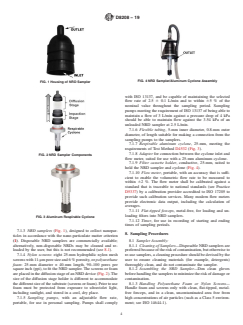
FIG. 1 Housing of NRD Sampler FIG. 4 NRD Sampler/Aluminum Cyclone Assembly
with ISO 13137, and be capable of maintaining the selected
flow rate of 2.5 6 0.1 L/min and to within 65%ofthe
nominal value throughout the sampling period. Sampling
pumps meeting the requirement of ISO 13137 of being able to
maintain a flow of 3 L/min against a pressure drop of 4 kPa
should be able to maintain flow against the 3.54 kPa of an
unloaded NRD sampler at 2.5 L/min.
7.1.6 Flexible tubing, 5-mm inner diameter, 0.8-mm outer
diameter, of length suitable for making a connection from the
sampling pumps to the samplers.
7.1.7 Respirable aluminum cyclone, 25-mm, meeting the
requirements of Test Method D4532 (Fig. 3).
7.1.8 Adapter for connection between the cyclone inlet and
FIG. 2 NRD Sampler Components
flow meter, suited for use with a 25-mm aluminum cyclone.
7.1.9 Filter cassette holder, conductive, 25-mm, suited to
hold the NRD sampler and cyclone (Fig. 4).
7.1.10 Flow meter, portable, with an accuracy that is suffi-
cient to enable the volumetric flow rate to be measured to
within 62 %. The flow meter shall be calibrated against a
standard that is traceable to national standards (see Practice
D5337) by a calibration provider accredited to ISO 17205 to
provide such calibration services. Many m
...