

Metallurgy
Explore four key international standards published for the metallurgy industry in September 2026. This article covers updated methodologies for life cycle inventory calculation of steel products (ISO 20915:2026), a comprehensive compendium for copper and copper alloys (CEN/TS 13388:2026), precise methods for chromium content analysis in steels (ISO 15355:2026), and advanced ultrasonic testing techniques for hardmetals (ISO/TS 23867:2026). Learn how these standards enhance quality, compliance, and sustainability, and why professionals in metallurgy should stay informed about these critical changes.

Explore the critical standards for mechanical testing of metals, including the latest ISO guidelines for instrumented indentation and brittle crack arrest temperature determination. This in-depth overview covers four key standards—ISO 14577-1:2026, ISO 14577-2:2026, ISO 14577-3:2026, and ISO 20198:2026—detailing their scope, requirements, and practical significance. Understand why these standards are vital for businesses embracing new technologies, ensuring productivity, safety, and scalability in metallurgical processes. Professionals in metallurgy, quality assurance, and manufacturing will find actionable insights for compliance and best practices, supported by direct links to the authoritative iTeh Standards platform.

Explore a comprehensive overview of four essential ISO standards for corrosion of metals and alloys—covering accelerated salt mist testing, industrial cooling water monitoring, resistance to stress corrosion in copper alloys, and AC-induced corrosion of conducting alloys. Discover why these updated standards are critical for businesses navigating new technologies, how they help increase productivity and reliability, and what steps professionals should take toward compliance and implementation. Stay ahead in metallurgy and materials engineering by understanding what these standards require and their impact on risk, scaling, and system longevity.

Explore five new metallurgy standards published in August 2026, covering tensile testing at elevated temperatures, galvanic corrosion control, hole expanding tests for metallic materials, and niobium content determination in steels. These standards introduce vital updates for mechanical testing, quality assurance, and corrosion prediction. Discover key changes, technical requirements, compliance recommendations, and how these international standards will impact metallurgy practices for engineers, quality managers, and industry professionals.
Explore four essential international standards for the corrosion of metals—ISO 14802:2012, ISO 20728:2018, ISO 21153:2018, and ISO 7539-2:1989—in this in-depth, easy-to-digest guide. Learn how these standards enable businesses to increase productivity, safety, data reliability, and scalability across manufacturing, construction, automotive, aerospace, and other sectors. See how implementing the right corrosion testing and analysis specifications helps avoid costly failures, ensures regulatory compliance, and supports global competitiveness.
Explore four essential international standards for the corrosion of metals—ISO 14802:2012, ISO 20728:2018, ISO 21153:2018, and ISO 7539-2:1989—in this in-depth, easy-to-digest guide. Learn how these standards enable businesses to increase productivity, safety, data reliability, and scalability across manufacturing, construction, automotive, aerospace, and other sectors. See how implementing the right corrosion testing and analysis specifications helps avoid costly failures, ensures regulatory compliance, and supports global competitiveness.
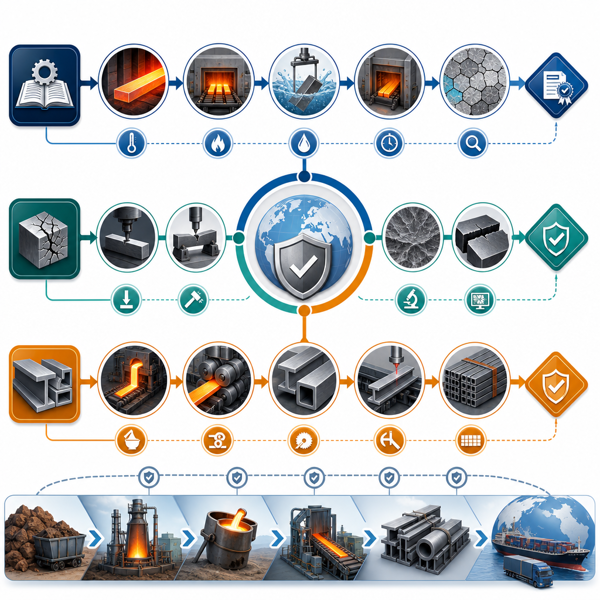
Explore the latest updates in metallurgy standards published in July 2026, featuring three newly released documents that shape the industry: ISO 4885:2026 introduces an updated vocabulary for heat treatments of ferrous materials, EN ISO 12135:2026 delivers unified fracture toughness testing methods, and EN 10365:2026 standardizes dimensions and masses of hot rolled steel sections. This article provides a detailed breakdown of each standard, highlights key requirements, and examines their impact on compliance, quality management, and engineering applications. Industry professionals seeking to stay informed about the evolving landscape of metallurgy specifications and requirements will benefit from practical insights, implementation guidance, and direct access to the full standards through iTeh Standards.

Discover the essential details of ISO 22500:2026, the newly published international standard for non-destructive testing in metallurgy released in June 2026. This comprehensive guide covers magnetic flux leakage testing of in-service steel plates and pipes, offering clarity on scope, technical requirements, and practical application. Understand the benefits, compliance implications, and key takeaways for quality managers, engineers, compliance officers, and procurement professionals. Stay informed with actionable insights to ensure operational safety, regulatory compliance, and excellence in corrosion detection for steel equipment. Essential reading for anyone involved in metallurgy and asset integrity management.
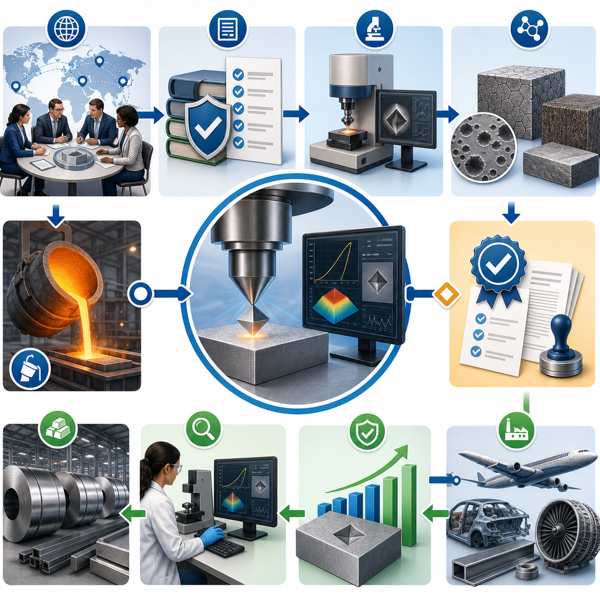
Discover the latest metallurgy standards published in June 2026 for instrumented indentation testing of metallic materials. This article covers three newly released international standards, detailing advanced requirements for hardness measurement, machine verification, and calibration. Essential reading for engineers, quality managers, and compliance professionals, it explains key updates, implementation takeaways, and the broader impact on materials testing in the metallurgical industry. Stay informed about compliance, technical advances, and best practices for adopting the latest norms—ensuring your organization remains competitive and aligned with international quality expectations.
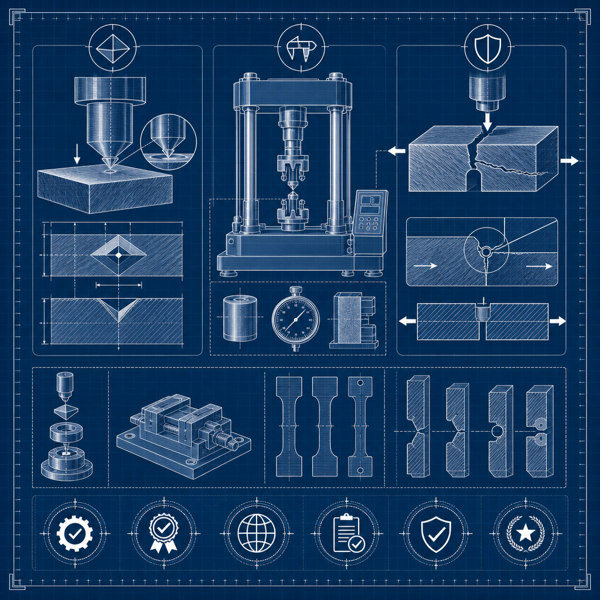
Explore the essential standards for mechanical testing of metals in this comprehensive guide, covering ISO 14577-1:2026 (instrumented indentation test for hardness and parameters), ISO 14577-3:2026 (calibration of reference blocks), and ISO 20198:2026 (determination of brittle crack arrest temperature in steel). Learn how these up-to-date international standards are vital for improving productivity, enhancing security, ensuring scalable quality in metallurgy, and supporting compliance for businesses. Professionals will benefit from detailed overviews, practical implementation insights, and direct links to standards on iTeh Standards.
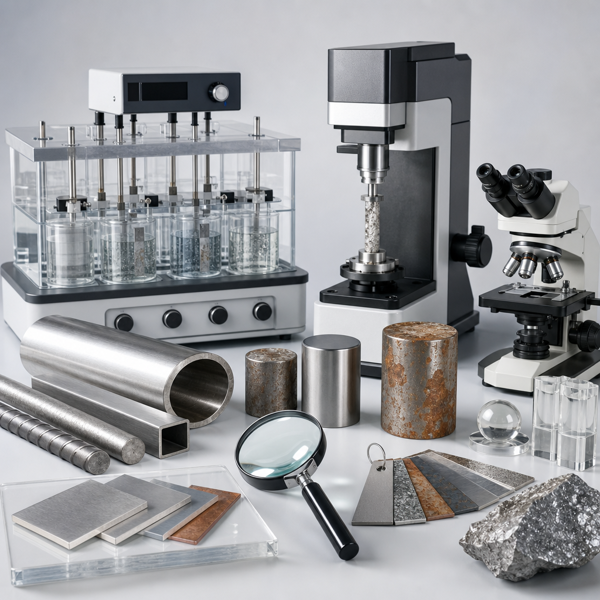
Explore the latest updates in metallurgy standards from May 2026, featuring two new international standards for corrosion testing. This article breaks down ISO/TR 22801:2026 and ISO 14993:2026, which introduce advanced methodologies for assessing corrosion in conducting alloys under AC electric current and for evaluating metals and coatings using cyclic salt mist, dry, and wet exposure. Discover key requirements, industry impact, compliance tips, and actionable insights for engineers, quality managers, and professionals committed to reliable material performance. Stay ahead in metallurgy compliance and testing with authoritative guidance from iTeh Standards.
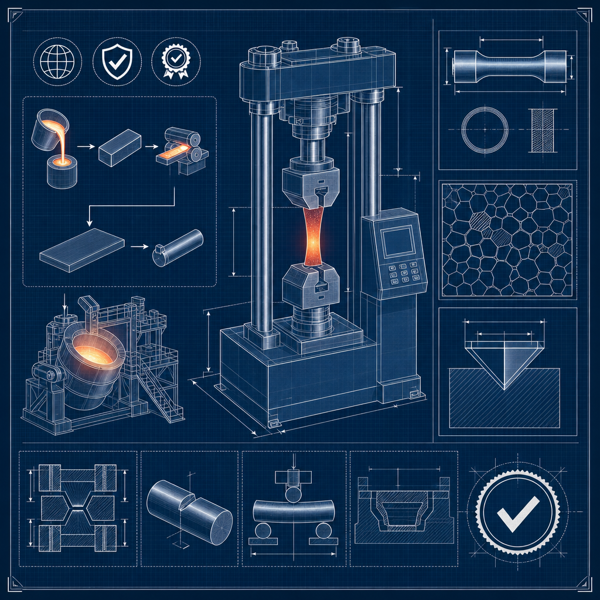
Discover critical updates to metallurgy standards published in May 2026, covering steel quality, testing, and bar dimensions. This article reviews five new international standards, including ISO 4967:2026 (non-metallic inclusions), ISO 14577-3:2026 (reference block calibration for hardness testing), ISO 20198:2026 (brittle crack arrest temperature in steel), and ISO 1035:2026 (hot-rolled steel bar specifications). Industry professionals, engineers, and compliance managers will gain insights into key requirements, practical implications, and compliance strategies for steel production and testing. Stay informed with iTeh Standards' comprehensive analysis, and ensure your organization meets the latest steel quality and testing standards for a competitive and compliant operation.
Discover three essential new metallurgy standards published in April 2026, covering cold-reduced tinmill products and impact testing of metals. This comprehensive article highlights ISO 11950:2026 for electrolytic chromium/chromium oxide-coated steel, ISO 11951:2026 for blackplate, and ISO 148-4:2026 on Charpy pendulum impact tests for miniature test pieces. Learn about the latest requirements, practical implications, and compliance considerations to help quality managers, engineers, and manufacturers stay ahead in the metallurgy industry. Ideal reading for anyone involved in steel production, material testing, or procurement.
Stay updated on the latest metallurgy standards published in April 2026, with in-depth coverage of five newly released documents for steel sections, hollow profiles, and tinmill products. This authoritative guide summarizes key requirements, technical highlights, and compliance implications for industry professionals, engineers, quality managers, and procurement specialists. Discover what’s changed in hot-rolled and cold-formed steel, delivery conditions for hollow sections, electrolytic tinplate specifications, and structural product standards. Explore practical implementation tips and compliance strategies to drive quality and competitiveness in the metallurgy sector.

Discover the critical March 2026 update for metallurgy professionals: the newly published EN 573-3:2026 standard, which defines the chemical composition and product forms of wrought aluminium and aluminium alloys. This article offers an in-depth look at key requirements, practical implications, and compliance strategies for quality managers, engineers, and procurement specialists in the aluminium sector. Learn how this update aligns with global best practices, introduces new alloys, and streamlines international aluminium product specification and supply chain management.
Explore four fundamental international standards guiding the mechanical testing of metals. Covering Brinell and Rockwell hardness tests, sample preparation, and transverse rupture strength for sintered materials, this comprehensive article demystifies technical details for professionals and newcomers. Discover how implementing these guidelines increases productivity, boosts quality assurance, enhances workplace safety, and enables business scalability. Learn why compliance with these standards is now crucial for modern metal industries aiming for global competitiveness. Get actionable insights and best practices for successful adoption and compliance, with direct links to each essential standard.

Explore four essential international standards shaping modern metal production and metallurgy: ASTM F3187-16(2023) for directed energy deposition, EN 14125:2025 for underground piping safety at petrol stations, EN ISO 17782:2018 for conformity assessment in the petroleum and natural gas sectors, and ISO 33408:2025 for certified reference materials. Learn how implementing these standards enhances productivity, ensures compliance, mitigates risks, and empowers the adoption of innovative technologies in metals manufacturing. An indispensable guide for manufacturers, engineers, and quality managers aiming to improve process efficiency, safety, and future-proofs their operations in a competitive landscape.
Explore a comprehensive overview of key international standards for equipment in the metallurgical industry. This in-depth article covers four crucial standards that address terminology, safety, environmental requirements, and the implementation of low-carbon technologies in steel production. Discover how applying these standards increases productivity, enhances safety, and supports sustainable scaling, while ensuring compliance with global expectations. Perfect for professionals and newcomers alike, this guide will help you understand the critical role of up-to-date standards in today’s competitive metallurgy landscape.

Explore four essential international standards shaping equipment for the metallurgical industry and foundries. This article covers ISO 23472-2:2020, ISO/TR 25088:2026, SIST EN ISO 23063:2025, and SIST EN ISO 23779:2025, with a focus on molding and coremaking vocabulary, implementing low-carbon steel plant technologies, safety in high pressure die casting, and environmental/safety mandates for shot blasting machinery. Learn how adopting these standards leads to enhanced safety, higher productivity, improved environmental compliance, and sustainable, scalable business operations. This comprehensive guide is indispensable for metallurgy professionals, plant managers, safety officers, and those seeking to future-proof their foundry or steelmaking enterprise.

Explore the essential international standards shaping the modern production of metals. This comprehensive guide covers four key standards—ASTM F3187-16(2023), EN 14125:2025, EN ISO 17782:2018, and ISO 33408:2025—highlighting their critical requirements, industry impact, and practical implementation tips. Learn why adopting these standards is vital for businesses embracing new technologies in metallurgy, with benefits ranging from increased productivity and improved safety to better scalability. Ideal for professionals and organizations navigating the complex landscape of metal manufacturing, this article offers actionable insights, natural keyword placement, and direct links to the standards on iTeh Standards.

Discover the latest February 2026 metallurgy standards updates from ISO and CEN, featuring EN ISO 14577-5:2026 (dynamic indentation testing), ISO 25018:2026 (stress corrosion cracking resistance in copper alloys), and EN ISO 18203:2026 (surface-hardened steel layers). Explore critical requirements, compliance insights, technical best practices, and access direct links to each standard on iTeh Standards. Stay informed on new testing methodologies, material selection, and advances in hardness and corrosion assessment to boost compliance, performance, and innovation in the metals industry.
Discover the latest update in metallurgy standards for January 2026 as ISO 3325:2026 is released. This comprehensive article covers the determination of transverse rupture strength in sintered metal materials (excluding hardmetals), a critical method for quality assurance and powder metallurgy production. Industry professionals, engineers, and compliance managers will find key insights into test methods, requirements, and implications for implementation. Learn how this revised standard enhances precision, supports material comparison, and outlines clear compliance pathways. Stay up to date and ensure your organization meets industry best practices with this essential metallurgy standard update.
Discover the essential updates in metallurgy standards published in January 2026, including five new international specifications focusing on steel wire for mechanical springs, low-carbon technologies in steel plants, Palmqvist toughness testing for hardmetals, and methods for determining permeability in sintered metal materials. This detailed article summarizes each standard's requirements and implications for industry professionals across manufacturing, quality, and compliance roles. Stay informed about the latest best practices in steel wire processing, environmental technologies, and advanced testing, and learn how to ensure compliance and leverage these updates for improved performance and sustainability in metallurgy.
Explore the latest metallurgy standards published in January 2026, featuring five new ISO and EN standards that enhance testing, analysis, and manufacturing processes for industry professionals. This article covers essential updates on manganese determination, hardmetals toughness testing, stainless steel corrosion monitoring in industrial cooling water, surface-hardened layer thickness measurement, and general requirements for steel wire in mechanical springs. Learn what’s changed, how these updates impact compliance, and why staying current with these standards is crucial for quality managers, engineers, and metallurgical researchers. Get practical insights and direct access to each new standard on iTeh Standards.
Discover the key updates in metallurgy standards for January 2026 with ISO 2738:2026, focused on permeable sintered metal materials. This comprehensive article details the scope, technical requirements, and practical implications of this newly published international standard. Understand essential procedures for determining density, oil content, and open porosity in porous metal bearings and structural components. The article highlights best practices for implementation, compliance considerations, and the benefits of adopting ISO 2738:2026 for quality managers, engineers, procurement specialists, and industry professionals. Stay informed with iTeh Standards for authoritative guidance in the rapidly advancing field of powder metallurgy.

Explore the latest December 2025 updates in metallurgy standards, featuring four new international standards covering tensile testing at high strain rates, pipe fitting requirements, and segregation evaluation in continuously cast steel slabs. This article breaks down key requirements, compliance impacts, and implementation best practices for these vital updates. Quality managers, engineers, compliance officers, and industry professionals will gain strategic insights to enhance materials testing, ensure pipeline safety, and boost manufacturing quality. Discover how these standards shape modern metallurgical processes and why aligning with these guidelines is essential for maintaining competitiveness, safety, and regulatory compliance. Stay informed with iTeh Standards' authoritative coverage.
Explore the November 2025 updates in international metallurgy standards, with a special focus on casting production, welding procedures, fatigue testing, and advanced ultrasonic inspection. Covering five newly published standards, this article details the latest requirements for welding qualification, force-controlled thermo-mechanical fatigue testing, and non-destructive evaluation of both steel and cast iron components. Discover key compliance points, technical highlights, and implementation tips for industry professionals—including engineers, quality managers, procurement specialists, and researchers—aiming to maintain high quality, safety, and reliability in metallurgical operations. Stay ahead with iTeh Standards to ensure your organization remains competitive and compliant with the newest international guidelines.
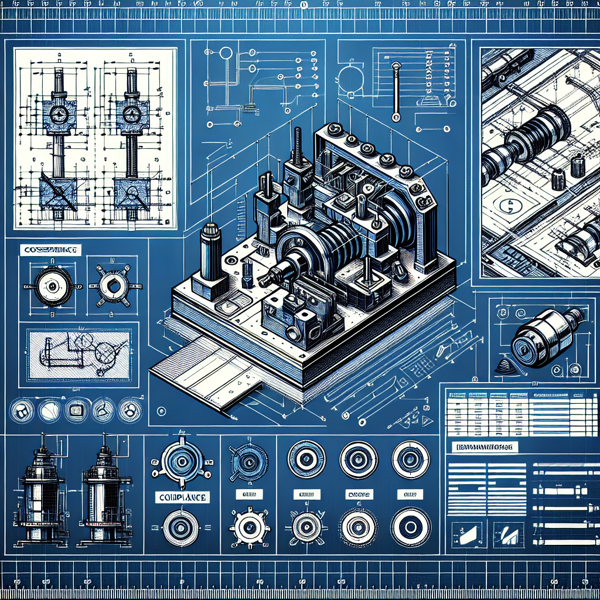
Explore the latest developments in metallurgy with two newly published international standards for November 2025. This article covers EN 18035:2025—setting requirements for waxed and sheathed prestressing steel strands vital for construction safety—and ISO 14577-6:2025, a key update enabling precise hardness testing of metallic materials at elevated temperatures. Industry professionals, compliance officers, and engineers will benefit from actionable insights on how these standards enhance structural durability, ensure reliable material testing, and drive compliance. Understand the technical requirements, compliance implications, and best practices for implementation—all with authoritative resources and direct links to iTeh Standards for in-depth exploration.
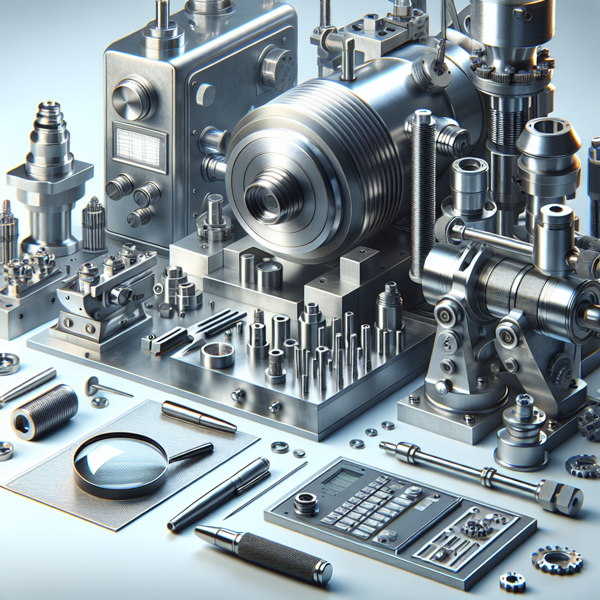
This monthly overview examines the standards published in October 2025 for the metallurgy sector, providing technical and contextual analysis of five major documents released during the period. Part 1 of this two-part summary explores critical updates and new guidance in the production of certified reference materials, tap density determination for metallic powders, technical delivery conditions for corrosion-resistant alloys in the energy sector, gravimetric moisture analysis for rare earth products, and marine environment zonation for steel corrosion in concrete. The article highlights how these standards reflect ongoing trends such as quality assurance, advanced testing methodologies, durability in energy applications, and environmental considerations. Industry professionals, compliance managers, and engineering teams will find practical insights, prioritized recommendations, and essential backlinks for further exploration of each standard, ensuring they remain aligned with emerging best practices and regulatory requirements in metallurgy.

Our October 2025 retrospective overview highlights four essential metallurgy standards published during the month, covering metallic powders, rare earth products, aluminium alloys for pressure equipment, and stainless steel ferrite content determination. This monthly round-up offers a thorough analysis of ISO 3953:2025, ISO 5976:2025, EN 12392:2025, and ISO/TS 5486:2025, exploring their scopes, target industries, technical requirements, and roles within quality assurance and regulatory frameworks. Discover why these standards matter for industry professionals, from compliance managers to engineers, and stay current on the latest developments shaping materials testing, product consistency, and safety in the metallurgy sector. Read on to uncover key insights, industry trends, and best practices for effective standard implementation.

This monthly overview examines the standards published in September 2025 for the Metallurgy sector, offering a comprehensive analysis of five key documents. Covering international and European standards (including ISO 5490:2025, ISO 10280:2025, and ISO 4491-3:2025, as well as their EN ISO equivalents), this summary unpacks the latest methodologies for inclusion analysis, titanium content determination, and oxygen testing in steel, iron, and metallic powders. With insights into scope, industry impact, and compliance priorities, this article is essential reading for quality managers, metallurgists, procurement specialists, and professionals keen to stay informed about evolving best practices and regulatory requirements. Explore the nuances and significance of these document updates, understand their alignment with industry challenges, and discover actionable recommendations for standards implementation.

This monthly overview examines two notable Metallurgy standards published in September 2025, providing industry professionals, engineers, and compliance officers with retrospective insights on developments in welded stainless steel tubes and tube hydraulic pressure testing. Covering EN 10378:2025 (technical delivery conditions for stainless steel square and rectangular tubes) and EN ISO 15363:2025 (hydraulic pressure test procedure for metallic tube rings), this recap identifies technical requirements, compliance implications, and emerging industry trends. Professionals seeking to ensure up-to-date knowledge of tube manufacturing, structural applications, and advanced testing methodologies will find targeted analysis and practical guidance for compliant implementation. This summary is essential for keeping pace with regulatory changes and maintaining product quality in the dynamic world of metallurgy.
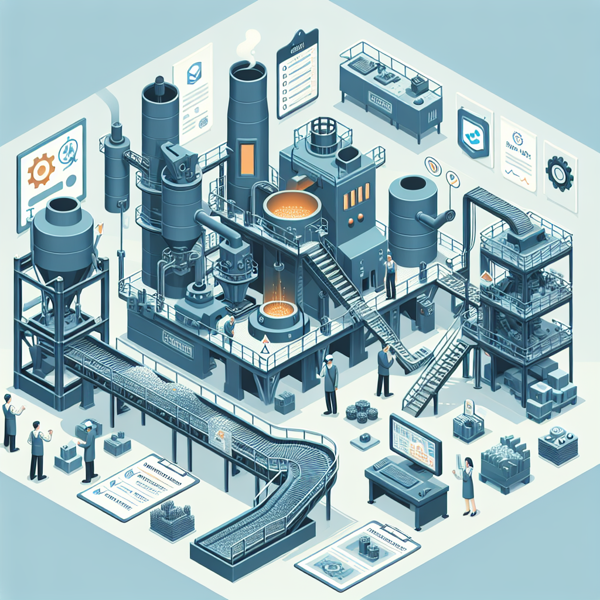
This monthly overview examines the standards published in May 2025 for the Metallurgy sector (ICS 77), highlighting four significant documents that impact castings, hardness testing, steel sheet production, and corrosion testing. The roundup provides quality managers, engineers, and compliance specialists with essential insights into evolving technical requirements and test methods. Themes include advancements in investment casting, updates in Brinell hardness testing, refined criteria for zinc-coated carbon steel, and new accelerated corrosion test protocols. This analysis enables professionals to catch up on crucial changes, recognize compliance trends, and prioritize implementation actions vital to staying current and competitive in metallurgical operations.
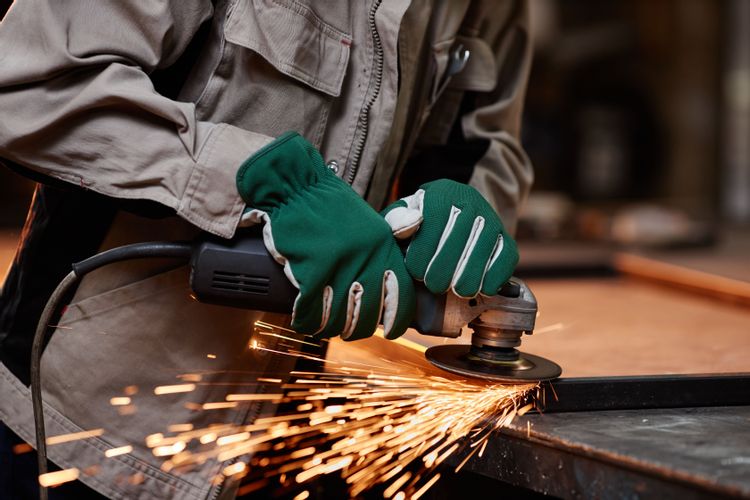
The production of metals and welding processes, in particular, significantly impact various sectors, ranging from construction to automotive and aerospace industries. To ensure the highest quality and safety standards, the implementation of international standards is of paramount importance. This article explores the significance of adhering to international standards in metal manufacturing and welding processes, highlighting their benefits and their role in fostering global trade and harmonization. International standards provide guidelines and specifications for metal manufacturing and welding processes, ensuring consistent quality across different manufacturers and industries. By adhering to these standards, manufacturers can achieve higher product reliability and performance, thus enhancing customer satisfaction. Today we will get you acquainted with the main of them.

The modern metallurgical industry provides many related branches of the economy with the results of its activity. This market is characterized by a high level of regulation, but on the other hand, it is very promising in terms of making a profit. It is the high profitability that makes this segment of the economy so attractive for companies. It is worth noting that high requirements for the product manufactured by companies can become a significant obstacle, especially for those who do not have a sufficient level of theoretical knowledge. That is why we advise you to orient yourself in your work on norms that are compiled into international standards. In particular, we can talk about the international standards that we have prepared for you in today's article. On our website, you can familiarize yourself with a large amount of information, which at first glance may seem difficult to understand. In order to simplify the perception of these data, we divided all international standards into thematic categories, some of which we will present to you in this text. Considering the importance of the production of quality metallurgical products, we emphasize once again that international standards will help you to increase the competitiveness of your company. You can read the full text of international standards on our website.
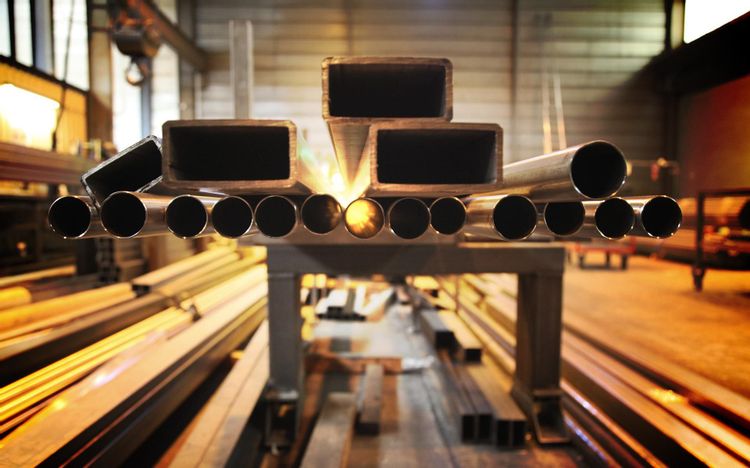
Heavy industry is one of the most profitable sectors of the economy, but it is also limited by many barriers and regulations that govern its activities. In particular, in addition to state regulation, which may differ depending on the country of production, we must remember that in this area there are international standards that describe generally accepted standards of metal quality. It is necessary to have a clear understanding that a high level of competition is inherent in this market, so companies should pay considerable attention to the competitive advantages of their product. It will not be superfluous to emphasize once again that large sums of money are invested annually in the development of new production technologies that make it possible to facilitate and improve all technological processes, which in turn leads to increased profits. The international standards that we have collected for you in today's article will be a good helper in this. However, since you may encounter a large amount of information on our site, we have divided it into thematic categories, which should make it easier for you to navigate our site. Using international standards will help you increase the competitiveness of your product and increase your market share. You can familiarize yourself with them using the links we have left at the end of the article.

Technical documentation in most cases displays key indicators according to which this or that activity should be carried out. In the process of production and use of various types of materials, it is necessary to adhere to the rules and regulations to comply with all safety techniques and maintain the quality of the final result. In general, it makes sense to create a clear base of international standards that will govern the entire process. After all, the interaction of companies and organizations generally takes place at the international level, and therefore regulation should take place within the same framework. Today we will talk about some of the basic standards in the field of production.

Metallic aluminum, ceramic objects surround us everywhere. The popularity of the use of this material covers every area of human activity and is even used in medicine and health issues. Since the production, operation and testing methods of metal products and structures are responsible not only for financial results but also for safety issues, international standards are created to regulate these processes. Since this material is used everywhere, the regulation takes place at the international level. Today we will present a list of some of the newest standards in this area.
Categories
- Latest News
- New Arrivals
- Generalities
- Services and Management
- Natural Sciences
- Health Care
- Environment
- Metrology and Measurement
- Testing
- Mechanical Systems
- Fluid Systems
- Manufacturing
- Energy and Heat
- Electrical Engineering
- Electronics
- Telecommunications
- Information Technology
- Image Technology
- Precision Mechanics
- Road Vehicles
- Railway Engineering
- Shipbuilding
- Aircraft and Space
- Materials Handling
- Packaging
- Textile and Leather
- Clothing
- Agriculture
- Food technology
- Chemical Technology
- Mining and Minerals
- Petroleum
- Metallurgy
- Wood technology
- Glass and Ceramics
- Rubber and Plastics
- Paper Technology
- Paint Industries
- Construction
- Civil Engineering
- Military Engineering
- Entertainment