

Petroleum

Discover the key international standards newly published in September 2026 for Petroleum and Energy Technologies. Covering composite repairs for piping, innovative testing for fuel markers, and essential requirements for offshore workover rigs, this article explores four vital standards every industry professional should know. Learn about updated safety, testing, and integrity management protocols, compliance timelines, and practical impacts for operators, engineers, and quality managers. Stay informed and ahead in Petroleum and Energy Technologies—read the detailed analysis and access your essential resources via direct iTeh Standards links.
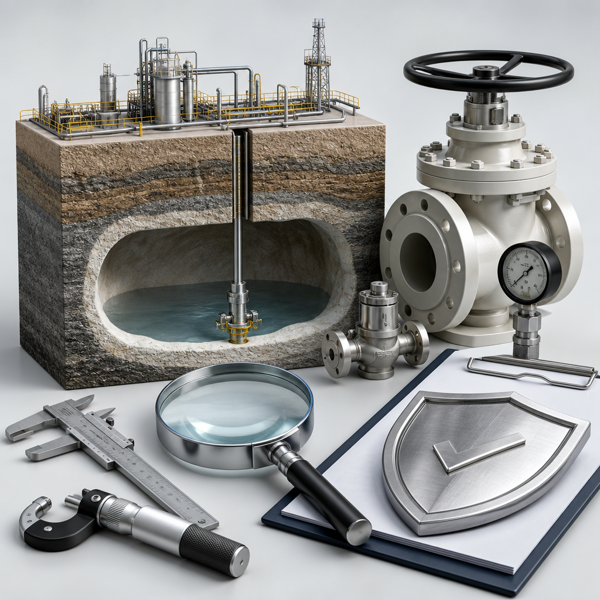
Explore the latest August 2026 updates in Petroleum and Energy Technologies, featuring five newly published CEN standards for underground gas storage. This article provides in-depth analysis of the FprEN 1918 series, covering aquifers, oil and gas fields, solution-mined salt caverns, rock caverns, and surface facilities. Discover critical functional recommendations, compliance essentials, and practical guidance for safe, efficient, and environmentally responsible storage operations. Learn why these updates are vital for engineers, quality managers, compliance officers, and all professionals engaged in gas infrastructure projects.
Explore five major newly published standards for Petroleum and Energy Technologies released in August 2026. This comprehensive article (Part 1 of 2) highlights critical updates in offshore unit assessment, flow-control devices, pipeline coatings, offshore metocean design, and natural gas hydrate determination. Understand the new technical requirements, compliance benefits, and industry implications for quality managers, engineers, and other professionals eager to ensure operational safety, reliability, and global competitiveness. Stay ahead in the petroleum sector with iTeh Standards’ in-depth coverage and direct access to official documents.
Explore the latest updates in Petroleum and Energy Technologies with this in-depth review of five new ISO standards published in July 2026. Covering offshore stationkeeping, seismic design, pipeline cathodic protection, sulfur analysis in fuels, and thermoset material assessment, these standards provide robust guidelines for operational safety, integrity, and sustainability. Essential reading for engineers, compliance officers, quality managers, and procurement specialists, this article highlights key requirements, compliance implications, and best practices for implementation. Stay ahead in the evolving energy sector by understanding how these standards drive performance and risk management.
Explore the latest July 2026 updates in Petroleum and Energy Technologies standards, with five newly published ISO and CEN documents now impacting global oil, gas, and related energy sectors. This comprehensive article details stationkeeping for offshore structures, sulfur detection in fuels, cathodic protection systems, seismic resilience, and asset interoperability. Discover new terminology, improved safety and testing protocols, and practical implementation guidance for operators, engineers, and compliance professionals. Stay ahead on best practices for design, risk mitigation, and quality management—essential reading for industry leaders and decision-makers.
Discover the latest June 2026 updates in Petroleum and Energy Technologies with four newly published standards shaping industry best practices. This comprehensive review explores advancements in cost coding systems and precision measurement methods, offering quality managers, engineers, and compliance officers valuable insights into implementation, benchmarking, and compliance. Learn how EN ISO 19008:2026 and ISO 19008:2026 revolutionize cost management for oil, gas, and lower carbon energy, while ISO 4259-1:2026 and ISO 4259-2:2026 strengthen accuracy and traceability in testing protocols. Stay ahead in compliance, risk mitigation, and operational efficiency by exploring these authoritative updates, available now through iTeh Standards.
Explore the latest international standards published in June 2026 for the petroleum and energy technologies industry. This update covers five crucial standards, including best practices for well integrity, production assurance, and precision measurement methods. Industry professionals, quality managers, and compliance officers will benefit from comprehensive coverage of life cycle governance, reliability management, and measurement accuracy. Discover actionable guidance for enhancing safety, efficiency, and regulatory compliance across upstream, midstream, and downstream operations. Learn why staying current with these standards is essential for mitigating risks, fostering innovation, and ensuring consistent product quality.

Explore a comprehensive overview of six essential ASTM petroleum standards for liquid fuels, covering kerosene, spark-ignition, and aviation turbine fuels. Learn how these standards improve product quality, operational safety, and global compliance for businesses. Discover actionable insights into increasing productivity, scaling, and security by implementing these internationally recognized guidelines. Ideal for professionals and stakeholders aiming to optimize performance, meet regulatory requirements, and ensure safe, efficient fuel operations in today's evolving energy sector.

Explore a comprehensive overview of essential international standards guiding petroleum products and natural gas handling equipment. This article covers ISO 20815:2026, ISO 21055:2026, and ISO 5872:2025—three critical standards shaping modern oil and gas operations. Learn why these standards are indispensable for robust industrial hygiene, production assurance, pipeline corrosion control, and effective communication across the sector. Understand their impact on business security, productivity, compliance, and scalability, and gain actionable insights for successful implementation. Perfect for professionals seeking to elevate their knowledge of energy sector requirements and for organizations aiming to streamline operations while minimizing risks.

Explore the three essential ISO standards at the core of petroleum and natural gas handling: ISO 20815:2026 on production assurance and reliability management, ISO 21055:2026 on microbiologically influenced corrosion (MIC) tests for pipelines, and ISO 5872:2025 on pipeline transportation system vocabulary. This comprehensive guide reveals how these standards are vital for safety, productivity, compliance, and scalable operations in today’s energy sector. Perfect for professionals seeking best practice, clarity, and competitive advantage within oil, gas, and lower carbon energy industries.

Discover the May 2026 update in the Petroleum and Energy Technologies field with the new EN 1427:2026 standard for determining the softening point of bitumens and bituminous binders using the Ring and Ball method. This article provides a comprehensive overview of the standard, covering its expanded scope, enhanced precision measures, and practical implications for asphalt, pavement, and materials engineers. Learn the key requirements, technical changes from the previous edition, and compliance considerations to ensure quality, safety, and regulatory alignment in bitumen testing and production.

Explore the essential standards defining quality and safety for liquid fuels in the modern petroleum industry. This in-depth review covers three crucial fuel standards: SIST EN 15751:2014 (FAME/diesel oxidation stability testing), SIST EN 17124:2026 (hydrogen fuel specifications for PEM fuel cells), and SIST EN 228:2012 (unleaded petrol requirements and testing). Learn why today’s businesses, especially those implementing new technologies, must adopt these standards to drive productivity, scalability, and security. Gain actionable insights on compliance, practical benefits, and best practices as fueling technology rapidly evolves, making liquid fuel standardization more critical than ever.
Gain a comprehensive understanding of three key international standards for liquid fuels in the petroleum industry: SIST EN 15751:2014 (FAME oxidation stability), SIST EN 17124:2026 (hydrogen fuel quality), and SIST EN 228:2012 (unleaded petrol requirements). This article explains each standard’s essential requirements, practical impacts, and their crucial role in supporting safety, technological innovation, and efficient fuel management. Discover how modern liquid fuel standards help businesses enhance productivity, security, and scalability—vital for thriving amidst new technologies and sustainability demands.

Explore the newly published April 2026 international standards for Petroleum and Energy Technologies on iTeh Standards. This article covers three major standards: ISO 13503-9:2026 for evaluating acidizing fluids in oil and gas, EN ISO 24966:2026 on flash point testing of fuels and chemicals, and ISO 21055:2026 for microbiologically influenced corrosion in transmission pipelines. Learn about essential compliance requirements, testing methods, technical applications, and how these updates will impact industry professionals, engineers, and compliance officers. Stay informed and discover actionable insights for increased safety, reliability, and operational excellence in petroleum and energy sectors.

Explore two essential standards shaping the world of lubricants and industrial oils within the petroleum sector: EN 12081:2025 for railway axlebox greases and SIST ISO 8068:1996 for turbine lubricating oils. This in-depth guide demystifies technical requirements, quality specifications, compliance essentials, and the tangible benefits of standard implementation—including enhanced productivity, equipment safety, and scalability. Ideal for business leaders, engineers, maintenance teams, and anyone seeking clarity on lubricant selection, reliability, and regulatory compliance. Learn how these standards drive operational excellence and safeguard critical assets in high-performance environments.
Stay ahead in the petroleum and energy technologies sector with the latest standards released in March 2026. This comprehensive article explores five newly published international and European standards addressing flash point testing, LNG bunkering risk assessment, metocean requirements for offshore structures, advanced bitumen binder testing, and ignition qualities of diesel fuels. Essential reading for engineers, safety managers, compliance officers, and quality assurance professionals, it breaks down each standard’s scope, key requirements, benefits of adoption, and implementation impacts. Discover what’s new and why these standards matter for regulatory compliance and operational excellence.
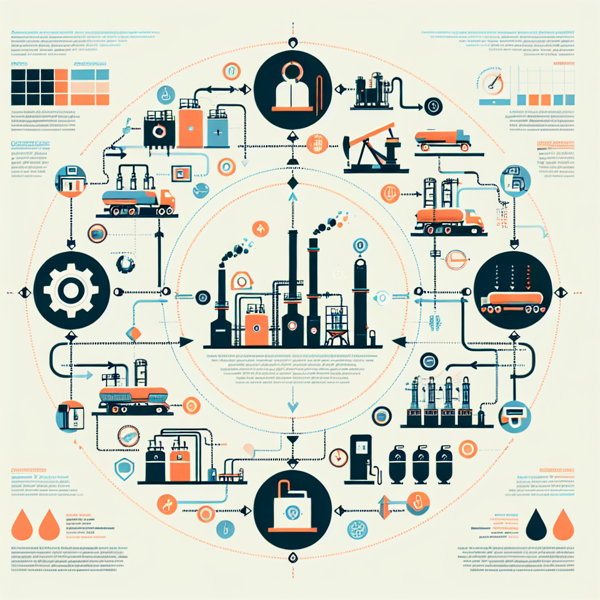
Explore the essential standards for liquid fuels critical to the petroleum industry, featuring ISO 6729:2024, ISO 8217:2024, SIST EN 12662-1:2024, and SIST-TP CEN/TR 16389:2017. This comprehensive guide outlines detailed specifications for ethanol determination, marine fuel quality, contamination control, and paraffinic diesel, underlining why up-to-date standards are indispensable for businesses. Learn how adopting these standards can improve productivity, enhance operational security, and enable business scaling. Perfect for professionals seeking clarity on compliance, risk management, and best practices in the evolving fuel sector.

Explore two newly published ISO standards in Petroleum and Energy Technologies from February 2026. This article details ISO 12940-1:2026 and ISO 12940-2:2026, which set advanced methods for evaluating the roll stability of lubricating greases under dry and wet conditions. Learn about updated methodologies, industry applications, compliance schedules, and the tangible benefits for quality managers, engineers, and procurement specialists in ensuring lubricant performance and reliability. Stay informed with key highlights, practical implications, and compliance guidance, making this essential reading for professionals working with lubricants in the energy sector.

Explore the latest updates in Petroleum and Energy Technologies standards published in February 2026. This article (Part 1 of 2) covers five critical international standards, addressing pipeline coatings, offshore handling equipment, and cracking resistance in steel line pipes. Highlights include enhanced corrosion protection specifications, improved safety protocols for offshore monorails and padeyes, and new testing methods for pipelines in sour environments. Discover detailed insights into compliance, technical requirements, and implementation best practices. Industry professionals, engineers, quality managers, and procurement specialists will gain actionable knowledge to ensure robust compliance and operational excellence in oil, gas, and lower carbon energy sectors.

Explore the latest advancement in Petroleum and Energy Technologies with the January 2026 publication of ISO 16923:2026. This new international standard outlines comprehensive requirements for the design, construction, operation, maintenance, and inspection of compressed natural gas (CNG) fuelling stations for vehicles. Industry professionals, compliance officers, and engineers will gain valuable insights into updated safety protocols, risk management practices, and technical specifications critical for ensuring safe and efficient CNG fuelling infrastructure. Discover the practical impacts of these changes, the enhanced focus on hazard mitigation, lifecycle risk assessment, and operational efficiency, and learn why staying current with new standards is vital for regulatory compliance and business success. Read on for an in-depth analysis and direct access to the full ISO standard via iTeh Standards.

Explore the latest January 2026 updates to international standards in Petroleum and Energy Technologies. This in-depth article covers five newly published standards affecting natural gas fuelling stations, sulfur compound analysis, and CNG/LNG station safety. Learn about requirements for station design, construction, and operation, as well as sulfur measurement and hydrogen sulfide analysis methods. These standards are vital for engineers, compliance officers, quality managers, and professionals seeking to enhance operational safety, environmental compliance, and quality assurance in the petroleum sector. Stay ahead by understanding the practical impacts and benefits of adopting these 2026 standards.

Explore the latest international standards in Petroleum and Energy Technologies published in December 2025. This news feature (part 2 of 3) highlights five newly released standards covering gas measuring systems, methane number calculation methods, determination of anti-aging in turbine fluids, and quality requirements for railway axlebox greases. Industry professionals, compliance officers, and operations managers will benefit from in-depth coverage on scope, key requirements, technical updates, and compliance considerations. Stay informed on functional safety, accurate metering, and lubricant standards critical to the evolving energy sector. Visit iTeh Standards for authoritative access and in-depth analysis.

Discover the latest international standards released for Petroleum and Energy Technologies in December 2025. This article—Part 3 of 3—reviews four crucial updates impacting fuel quality, engine safety, and laboratory procedures. Covering ISO 17507-1 and 17507-2 for methane number calculation, EN ISO 2719 for flash point determination, and ISO 37306 for distillation testing, it highlights methodologies, industry impact, technical best practices, and compliance necessities. Dive in to understand practical implications for energy professionals, compliance officers, engineers, and procurement specialists aiming for operational excellence and risk reduction. Ensure your organization stays ahead by integrating these standards into quality, safety, and compliance frameworks.
Explore five groundbreaking international standards newly published in December 2025 for the Petroleum and Energy Technologies sector. This comprehensive article (Part 1 of 3) covers vital updates in automotive fuels including E20 petrol, requirements for sustainable FAME biofuels, advanced methods for FAME quantification, and robust specifications for offshore architectural doors. Industry professionals will gain valuable insights into technical requirements, compliance impacts, and best practices for implementation. Whether ensuring product quality, regulatory alignment, or operational efficiency, these standards are essential reading for automotive, fuel, and offshore energy practitioners seeking to remain compliant and competitive in a rapidly evolving sector. Stay ahead with authoritative coverage, practical analysis, and direct access to each standard via iTeh Standards.
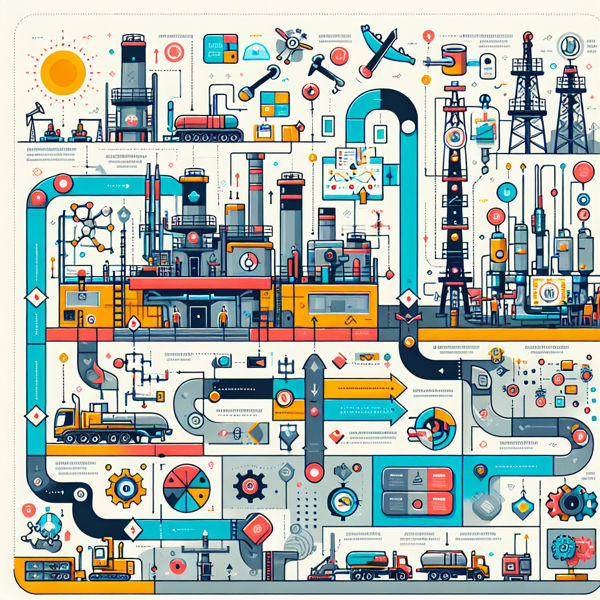
Explore the latest November 2025 standards releases in petroleum and energy technologies on iTeh Standards. This in-depth overview covers five crucial ISO standards, including new methods for contamination testing in diesel and FAME fuels (ISO 32662-1, ISO 32662-2), updated flash point determination (ISO 2719:2025), and innovations in shale brittleness evaluation (ISO 24835-1:2025). Learn the essential requirements for fuel quality, laboratory testing, reservoir evaluation, and compliance. Perfect for quality managers, engineers, compliance officers, researchers, and all professionals seeking to stay competitive and compliant in the petroleum and energy sector. See how these standards will shape operational performance, product safety, and technical best practices across the industry.

Discover the latest international standards published for Petroleum and Energy Technologies in November 2025. This comprehensive article (Part 2 of 2) examines three newly released standards covering advanced shale gas reservoir evaluation, precise LNG measurement on marine bunkering ships, and simplified determination of moisture in solid recovered fuels. Industry professionals—including quality managers, compliance officers, engineers, researchers, and procurement specialists—will find deep insights into key requirements, practical benefits, implementation implications, and compliance strategies for each standard. Stay up to date with essential specifications driving safety, efficiency, and sustainability in the petroleum and energy sector. Explore authoritative guidance and strengthen your organization’s approach to standards with iTeh Standards.
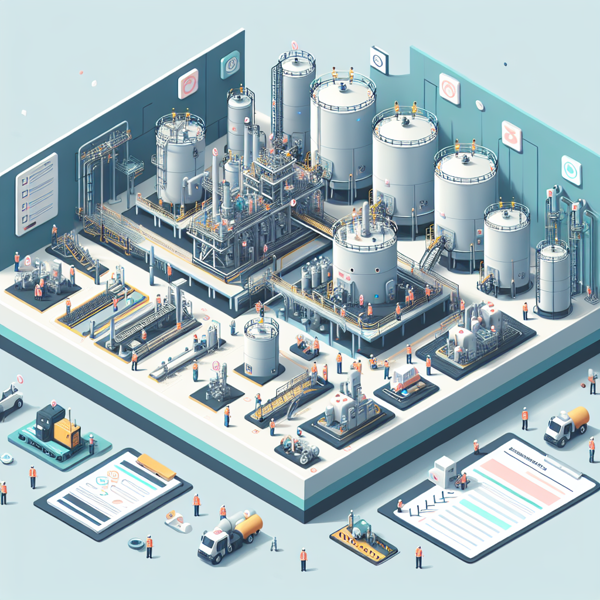
This monthly overview examines the key standards published in October 2025 for the Petroleum and Energy Technologies sector, providing industry professionals, compliance managers, and engineers an in-depth, retrospective understanding of the latest regulatory and technical developments. Covering five major standards—including topics such as solid recovered fuels characterization, hydrocarbon liquids measurement, and natural gas fracturing fluids—this article synthesizes technical changes, highlights implementation considerations, and draws out emerging industry trends. Professionals seeking to enhance their compliance practices, optimize operational processes, or align with evolving international best practices will find actionable insights and direct links to each standard as published on iTeh Standards. Stay informed on how October 2025’s publications shape industry direction and future-proof your organization’s compliance efforts.

This monthly overview examines two critical standards published in October 2025 for the Petroleum and Energy Technologies sector (ICS 75). The review focuses on ISO 10903:2025, providing comprehensive requirements for pipeline geohazard monitoring in oil and gas transportation systems, and ISO 13825:2025, which details the method for determining arsenic content in crude petroleum using atomic fluorescence spectrometry. Both standards reflect significant industry priorities—ensuring pipeline integrity amid geohazards and improving analytical precision for hazardous elements in petroleum products. By analyzing their core requirements, scope, and implications, this article helps industry professionals, quality managers, compliance officers, and researchers understand the evolving landscape and stay ahead in compliance, risk management, and operational excellence. Read on for contextual analysis, practical compliance guidance, implementation considerations, and key takeaways from October 2025’s standardization activity in this vital field.

This monthly overview examines the standards published in September 2025 for the Petroleum and Energy Technologies sector (ICS 75). Covering three significant standards, the article analyzes advances in natural gas odorization correlation, quality specifications for H-group gases, and critical measurement methods for solid biofuel pellets. It explores key technical updates, industry trends, compliance implications, and offers professionals timely insights into standardization changes impacting supply chains, energy infrastructure, and biofuel quality management. Valuable for engineers, quality managers, regulatory officers, and all stakeholders seeking an analytic recap, this article helps ensure organizations remain aligned with the evolving landscape of petroleum and related energy technologies.
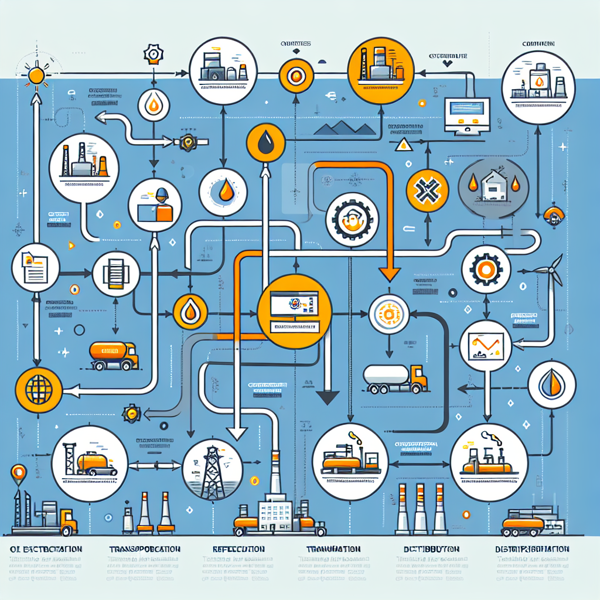
This in-depth monthly overview examines the five key standards published for the Petroleum and Energy Technologies sector in May 2025. Covering areas from coal and coke analysis, LNG installation risk assessment, oxidation stability in automotive fuels, the durability of solid biofuels, to lubricating oil in-servicing for turbines, this article provides a retrospective analysis of each standard. Discover the main themes driving industry compliance—from fuel quality and process safety to sustainability—and learn practical implementation considerations. Stay abreast of significant trends and understand why reviewing these standards is critical for professionals, engineers, and compliance specialists working with petroleum products, fuels, and energy technologies.

Our comprehensive May 2025 monthly overview highlights three pivotal standards published for the Petroleum and Energy Technologies sector: ISO 11365:2025, ISO 20120:2025, and ISO 22504:2025. This analytical summary helps industry professionals, engineers, quality managers, and compliance specialists understand essential guidance and requirements for turbine control fluids, friction testing for lubricants, and pig trap design in pipeline systems. The review explores trends in equipment reliability, fluid performance, and operational safety, examining implications for compliance and practical implementation. Professionals will find insights to inform maintenance protocols, equipment selection, and regulatory strategies, making this a must-read to stay updated on recent standardization developments in petroleum and related technologies.
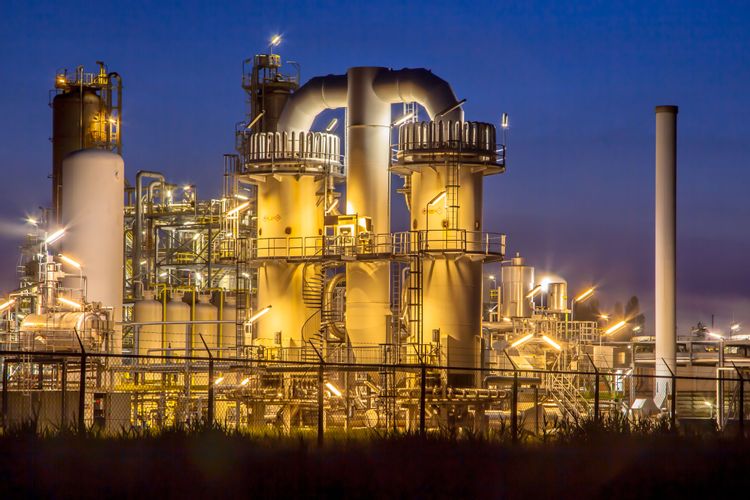
Equipment in any heavy industry has a large number of technical regulations. But when it comes to production, operation, sale at the international level, such a concept as licensing and standardization comes into force. In order to simplify economic globalization processes, thus allowing small and medium-sized businesses to more easily enter international markets, standardization institutions create legal documents that allow unifying requirements within a certain geographical location, thereby simplifying the process of infusion into new markets. for businesses. Today we will acquaint you with the most relevant international standards for fuel equipment today.
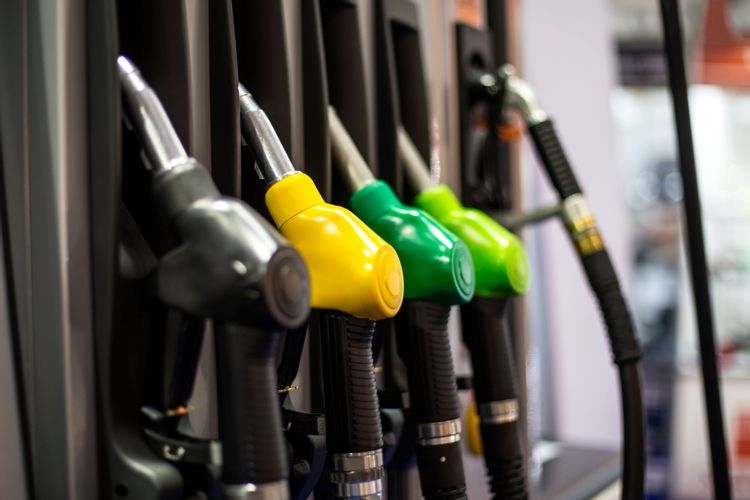
For centuries, the extraction of fuel and gas has been the cause of many economic wars, embargoes and sanctions. This industry is the most critical in terms of global economic issues. In connection with recent events, since the beginning of the coronavirus infection to the present day, the positions of fuel and fuel producing companies in the world market, as well as competitive levels, are changing faster and faster. Moreover, if we consider this industry at the macro level, then the prevalence of influence of some countries on the world stage in the fuel industry is significantly reduced and inferior to others. If we consider this industry at the micro level, it should be noted that those companies and corporations that successfully adapt to the rules of the game of modern conditions with the help of the requirements of international standards remain in the leading positions, the main of which we have cited today as an example.

The oil market is one of the most profitable sectors of the modern structure of the world economy. At present, petroleum materials are widely used in various industries, so manufacturers are meeting a sufficient level of demand for products. Sometimes it can be difficult for manufacturers to take into account all the nuances in advance in order to create a competitive product, so they come to the aid of international standards, which can act as a kind of guidance on how to ensure the quality of their products. Careful inspections allow manufacturers to make a product that will be different from their competitors and maintain the loyalty of their customers. In order to facilitate the work of producers of fuel and other petroleum products, our site has various categories where you can find many useful international standards, which in turn will help you improve the quality of your products. For our part, we would like to point out that those companies that do not neglect the issue of improving the quality of their product achieve significant success. Today we want to draw your attention to four categories of petroleum products that are in high demand in the market. This information will be a useful helper if you want the quality of your product to move to a new qualitatively better level, and in this case you will be able to increase your market share and, consequently, increase profits.
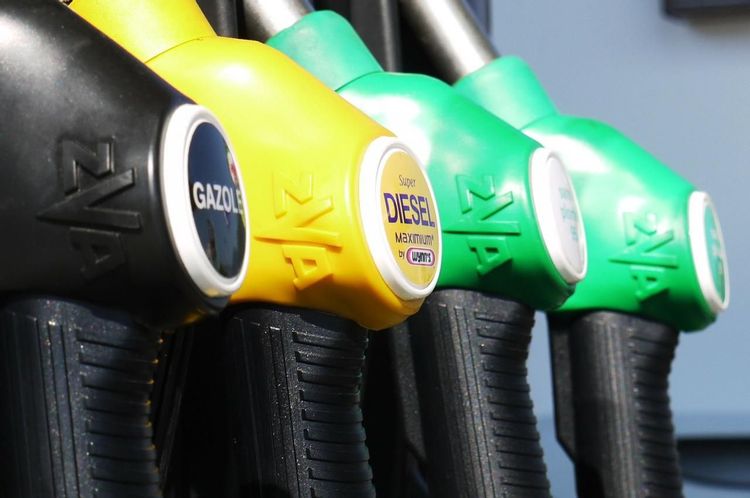
One of the most profitable industries is considered to be energy, namely the one that is engaged in oil production. Companies that operate in this segment are aware of what features of competition exist in the market. Those who want to become leaders must pay enough attention to the manufacturability of their production processes. Every year, companies spend huge sums of money to develop new sources, as well as to improve all work processes. Among other things, it is worth noting that attention to detail greatly helps companies increase their profits by improving the quality of their products. International standards that regulate the production of oil and related products help companies that want to produce a quality product and be competitive in the market. These documents are constantly updated taking into account the current situation that exists on the market. In order to make it easier for you to navigate through them and choose the one that best suits the specifics of your company, we divided them into categories, some of which we have collected for you in this article. We also want to remind you that you can always seek advice from our managers who will answer all your questions.
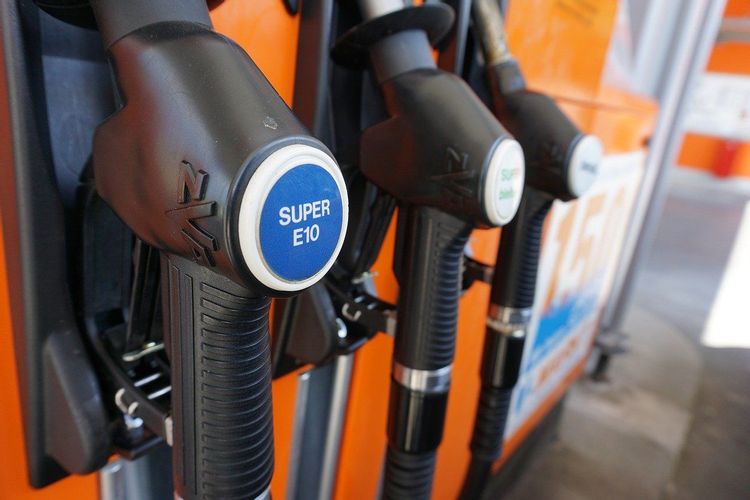
Until recently, life on the planet without the use of oil seemed absolutely impossible and most of the technologies were based on fuel, moreover, the cosmetic industry includes the active use of this chemical element. However, times are changing and technology is always looking for alternatives. As a result, the requirements for the fuel market are significantly increasing in order for it to remain relevant and the products that are turned around on it could be produced and used in bulk. Today, various levels of standardization create a large number of regulations in order for manufacturers and other players in this market to comply with all norms and requirements related to both the safety of employees who come into contact with fuel equipment and consumer safety. Today, the fuel sector is one of those areas that cannot be called localized and it has a completely global spread (as a result of interaction between organizations located in different countries). That is why the unification of the regulatory and legal system makes it possible to significantly simplify these interaction processes. Today we will introduce you to some of the latest international standards for fuel equipment.
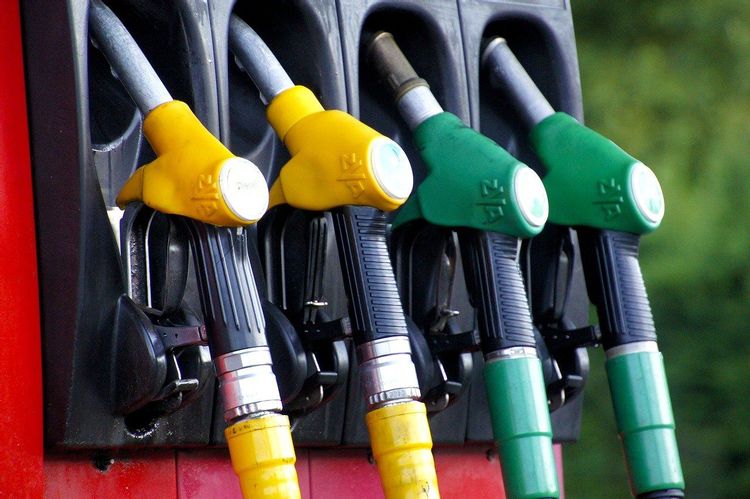
In the 21st century, the sphere of production and sale of fuel is being significantly transformed. Nevertheless, one should not forget that the development of technology continues, but at the same time the existing electrical and mechanical processes are mainly supported by the supply of fuel cells familiar to the 20th and 21st centuries. That is why the issue of excessive substitution of this element is currently irrelevant. As a result, the issues of standardization and normalization of the processes associated with the aforementioned resources are being actualized. If your organization operates in a market where fuel is actively used, or you operate and sell it, then the list of the standards mentioned below will be a significant help on the path of development of your enterprise, and will also make it possible to scale to more global levels in a much shorter time.

Safety in the use of various materials in production is responsible for many parameters that affect both the final result and intermediate parameters in the course of the activity. Since basically equipment and materials are standardized and used in the same technical characteristics, therefore, these processes are regulated by uniform standards at the international level. Today we will introduce you to some of the newest standards that are recommended to be purchased in case your company comes into contact with the materials and technologies that are described in the mentioned documents.
Categories
- Latest News
- New Arrivals
- Generalities
- Services and Management
- Natural Sciences
- Health Care
- Environment
- Metrology and Measurement
- Testing
- Mechanical Systems
- Fluid Systems
- Manufacturing
- Energy and Heat
- Electrical Engineering
- Electronics
- Telecommunications
- Information Technology
- Image Technology
- Precision Mechanics
- Road Vehicles
- Railway Engineering
- Shipbuilding
- Aircraft and Space
- Materials Handling
- Packaging
- Textile and Leather
- Clothing
- Agriculture
- Food technology
- Chemical Technology
- Mining and Minerals
- Petroleum
- Metallurgy
- Wood technology
- Glass and Ceramics
- Rubber and Plastics
- Paper Technology
- Paint Industries
- Construction
- Civil Engineering
- Military Engineering
- Entertainment