

ASTM E2231-21
(Practice)Standard Practice for Specimen Preparation and Mounting of Pipe and Duct Insulation Materials to Assess Surface Burning Characteristics
General Information
- Abstract
SIGNIFICANCE AND USE
5.1 Pipe and duct insulation systems are often evaluated with Test Method E84 to comply with building or mechanical code requirements. This practice describes, in detail, specimen preparation and mounting procedures for single-component pipe or duct insulation systems and for multi-component pipe or duct insulation systems.
5.2 The material, system, composite, or assembly tested shall be representative of the completed insulation system used in actual field installations, in terms of the components, including their respective thicknesses.
5.3 Pipe and duct insulation systems consist of a variety of materials and constructions.
5.4 Some testing laboratories have developed a number of protocols for testing pipe or duct insulation systems which utilize one generic type of materials, all of them with an insulation core and a jacket. Those protocols are the origin of this practice, which makes them generic, to reduce material bias in the standard; they have resulted in the procedures presented in 6.1. The procedures presented in 6.2 – 6.5 address other types of pipe or duct insulation systems.
5.5 This practice addresses specimen preparation and mounting of systems of the types described in 5.5.1 – 5.5.3 and testing of supplementary materials as described in 5.6.
5.5.1 Multi-component systems containing an insulation core and a jacket, with or without adhesive between insulation core and jacket, not intended to be bonded to a pipe or duct substrate. Specimen preparation and mounting for such systems is described in 6.1 if they are self-supporting and in 6.2 if they are not self-supporting.
5.5.2 Single component systems, not intended to be bonded to a pipe or duct substrate. Specimen preparation and mounting for such systems is described in 6.3 if they are self-supporting and in 6.4 if they are not self-supporting.
5.5.3 Systems intended to be bonded to a pipe or duct substrate. Specimen preparation and mounting for such systems is described in 6.5. ...
SCOPE
1.1 This practice describes procedures for specimen preparation and mounting when testing pipe and duct insulation materials to assess flame spread and smoke development as surface burning characteristics using Test Method E84.
1.2 If the pipe or duct insulation materials to be tested are reflective insulation materials (see 3.2.10 and 3.2.11), the materials shall be tested using the procedures for specimen preparation and mounting described in Practice E2599 and not the procedures described in 6.1 through 6.6.
1.3 Testing is conducted with Test Method E84.
1.4 This practice does not provide pass/fail criteria that can be used as a regulatory tool.
1.5 Use the values stated in inch-pound units as the standard, in referee decisions. The values in the SI system of units are given in parentheses, for information only; see IEEE/ASTM SI-10 for further details.
1.6 This fire standard cannot be used to provide quantitative measures.
1.7 Fire testing of products and materials is inherently hazardous, and adequate safeguards for personnel and property shall be employed in conducting these tests. Fire testing involves hazardous materials, operations, and equipment. This standard gives instructions on specimen preparation and mounting, but the fire-test-response method is given in Test Method E84. See also Section 8.
1.8 The text of this standard references notes and footnotes which provide explanatory material. These notes and footnotes (excluding those in tables and figures) shall not be considered requirements of the standard.
1.9 This standard does not purport to address all of the safety concerns, if any, associated with its use. It is the responsibility of the user of this standard to establish appropriate safety, health, and environmental practices and determine the applicability of regulatory limitations prior to use.
1.10 This international standard was developed in accordance with internationall...
- Status
- Published
- Publication Date
- 14-Dec-2021
- Technical Committee
- E05 - Fire Standards
- Drafting Committee
- E05.22 - Surface Burning
Buy Documents
ASTM E2231-21 - Standard Practice for Specimen Preparation and Mounting of Pipe and Duct Insulation Materials to Assess Surface Burning Characteristics
REDLINE ASTM E2231-21 - Standard Practice for Specimen Preparation and Mounting of Pipe and Duct Insulation Materials to Assess Surface Burning Characteristics
Overview
ASTM E2231-21 is the internationally recognized standard from ASTM International that provides detailed procedures for specimen preparation and mounting of pipe and duct insulation materials when evaluating their surface burning characteristics. It serves as a key practice for determining flame spread and smoke development, specifically when using the widely adopted ASTM E84 Test Method. This practice ensures consistency and accuracy in fire performance assessments for both single-component and multi-component pipe and duct insulation systems, as required by building and mechanical codes.
Key Topics
- Purpose and Scope: ASTM E2231-21 outlines step-by-step protocols for preparing and mounting insulation specimens to accurately reflect field installations. This includes the configuration and assembly of both single-component and multi-component pipe and duct insulation systems.
- System Representation: The materials tested must closely resemble actual field installations in components and thicknesses, ensuring test results are relevant and representative.
- Types of Insulation Systems:
- Multi-component systems (with insulation cores and jackets, with or without adhesives, both self-supporting and non self-supporting)
- Single-component systems (self-supporting and non self-supporting, not bonded to a substrate)
- Systems intended to be bonded to a pipe or duct substrate
- Reflective Insulation Materials: For pipes or ducts using reflective insulation, preparation and mounting must follow ASTM E2599 instead.
- Supplementary Materials: Tapes, sealants, fitting covers, and adhesives used in insulation systems must also be evaluated for their impacts on surface burning characteristics.
Applications
- Building and Mechanical Code Compliance: ASTM E2231-21 is widely used in North America and around the world to help manufacturers, laboratories, and specifiers demonstrate that their pipe and duct insulation systems meet fire safety requirements.
- Testing Laboratories: Provides laboratories with a consistent approach to specimen mounting and preparation, reducing material bias and ensuring repeatability in E84 fire tests.
- Product Certification and Safety Assessments: Necessary for manufacturers seeking product listings or approvals based on flame spread and smoke development performance.
- Quality Control and R&D: Assists manufacturers in the design and development of insulation systems by providing a framework for evaluating the fire performance of all components, including intermittently spaced supplementary materials.
- Specification by Designers and Engineers: Enables architects and engineers to reference a standardized method, ensuring construction materials will have been evaluated under realistic conditions most similar to their intended installation.
Related Standards
- ASTM E84: Standard Test Method for Surface Burning Characteristics of Building Materials - the principal fire test referenced by E2231.
- ASTM E2599: Standard Practice for Specimen Preparation and Mounting of Reflective Insulation, Radiant Barrier, and Vinyl Stretch Ceiling Materials.
- ASTM C168: Terminology Relating to Thermal Insulation.
- ASTM C1186: Specification for Flat Fiber-Cement Sheets.
- ASTM C1224: Specification for Reflective Insulation for Building Applications.
- ASTM C1396/C1396M: Specification for Gypsum Board.
- UL 181: Safety for Factory-Made Air Ducts and Connectors.
- IEEE/ASTM SI-10: The Modernized Metric System, for unit consistency.
By following ASTM E2231-21, users can ensure reliable, consistent fire-testing practices for pipe and duct insulation materials, supporting building safety and regulatory compliance. This standard plays a crucial role in risk mitigation and the verification of fire performance in insulation systems essential to modern HVAC and piping applications.
Relations
- Effective Date
- 15-Apr-2024
- Effective Date
- 01-Jan-2024
- Effective Date
- 01-Dec-2023
- Effective Date
- 01-Sep-2023
- Effective Date
- 01-Jul-2019
- Effective Date
- 15-Apr-2019
- Effective Date
- 01-Mar-2019
- Effective Date
- 15-Dec-2018
- Effective Date
- 01-Oct-2018
- Effective Date
- 01-Jul-2018
- Effective Date
- 15-Apr-2018
- Effective Date
- 01-Mar-2018
- Effective Date
- 01-Mar-2018
- Effective Date
- 01-Nov-2017
- Effective Date
- 01-Aug-2017
Buy Documents
ASTM E2231-21 - Standard Practice for Specimen Preparation and Mounting of Pipe and Duct Insulation Materials to Assess Surface Burning Characteristics
REDLINE ASTM E2231-21 - Standard Practice for Specimen Preparation and Mounting of Pipe and Duct Insulation Materials to Assess Surface Burning Characteristics
Get Certified
Connect with accredited certification bodies for this standard

CIS Institut d.o.o.
Personal Protective Equipment (PPE) certification body. Notified Body NB-2890 for EU Regulation 2016/425 PPE.

Kiwa BDA Testing
Building and construction product certification.
Kmetijski inštitut Slovenije
Agricultural Institute of Slovenia. Soil testing, plant health, agricultural product analysis.
Sponsored listings
Frequently Asked Questions
ASTM E2231-21 is a standard published by ASTM International. Its full title is "Standard Practice for Specimen Preparation and Mounting of Pipe and Duct Insulation Materials to Assess Surface Burning Characteristics". This standard covers: SIGNIFICANCE AND USE 5.1 Pipe and duct insulation systems are often evaluated with Test Method E84 to comply with building or mechanical code requirements. This practice describes, in detail, specimen preparation and mounting procedures for single-component pipe or duct insulation systems and for multi-component pipe or duct insulation systems. 5.2 The material, system, composite, or assembly tested shall be representative of the completed insulation system used in actual field installations, in terms of the components, including their respective thicknesses. 5.3 Pipe and duct insulation systems consist of a variety of materials and constructions. 5.4 Some testing laboratories have developed a number of protocols for testing pipe or duct insulation systems which utilize one generic type of materials, all of them with an insulation core and a jacket. Those protocols are the origin of this practice, which makes them generic, to reduce material bias in the standard; they have resulted in the procedures presented in 6.1. The procedures presented in 6.2 – 6.5 address other types of pipe or duct insulation systems. 5.5 This practice addresses specimen preparation and mounting of systems of the types described in 5.5.1 – 5.5.3 and testing of supplementary materials as described in 5.6. 5.5.1 Multi-component systems containing an insulation core and a jacket, with or without adhesive between insulation core and jacket, not intended to be bonded to a pipe or duct substrate. Specimen preparation and mounting for such systems is described in 6.1 if they are self-supporting and in 6.2 if they are not self-supporting. 5.5.2 Single component systems, not intended to be bonded to a pipe or duct substrate. Specimen preparation and mounting for such systems is described in 6.3 if they are self-supporting and in 6.4 if they are not self-supporting. 5.5.3 Systems intended to be bonded to a pipe or duct substrate. Specimen preparation and mounting for such systems is described in 6.5. ... SCOPE 1.1 This practice describes procedures for specimen preparation and mounting when testing pipe and duct insulation materials to assess flame spread and smoke development as surface burning characteristics using Test Method E84. 1.2 If the pipe or duct insulation materials to be tested are reflective insulation materials (see 3.2.10 and 3.2.11), the materials shall be tested using the procedures for specimen preparation and mounting described in Practice E2599 and not the procedures described in 6.1 through 6.6. 1.3 Testing is conducted with Test Method E84. 1.4 This practice does not provide pass/fail criteria that can be used as a regulatory tool. 1.5 Use the values stated in inch-pound units as the standard, in referee decisions. The values in the SI system of units are given in parentheses, for information only; see IEEE/ASTM SI-10 for further details. 1.6 This fire standard cannot be used to provide quantitative measures. 1.7 Fire testing of products and materials is inherently hazardous, and adequate safeguards for personnel and property shall be employed in conducting these tests. Fire testing involves hazardous materials, operations, and equipment. This standard gives instructions on specimen preparation and mounting, but the fire-test-response method is given in Test Method E84. See also Section 8. 1.8 The text of this standard references notes and footnotes which provide explanatory material. These notes and footnotes (excluding those in tables and figures) shall not be considered requirements of the standard. 1.9 This standard does not purport to address all of the safety concerns, if any, associated with its use. It is the responsibility of the user of this standard to establish appropriate safety, health, and environmental practices and determine the applicability of regulatory limitations prior to use. 1.10 This international standard was developed in accordance with internationall...
SIGNIFICANCE AND USE 5.1 Pipe and duct insulation systems are often evaluated with Test Method E84 to comply with building or mechanical code requirements. This practice describes, in detail, specimen preparation and mounting procedures for single-component pipe or duct insulation systems and for multi-component pipe or duct insulation systems. 5.2 The material, system, composite, or assembly tested shall be representative of the completed insulation system used in actual field installations, in terms of the components, including their respective thicknesses. 5.3 Pipe and duct insulation systems consist of a variety of materials and constructions. 5.4 Some testing laboratories have developed a number of protocols for testing pipe or duct insulation systems which utilize one generic type of materials, all of them with an insulation core and a jacket. Those protocols are the origin of this practice, which makes them generic, to reduce material bias in the standard; they have resulted in the procedures presented in 6.1. The procedures presented in 6.2 – 6.5 address other types of pipe or duct insulation systems. 5.5 This practice addresses specimen preparation and mounting of systems of the types described in 5.5.1 – 5.5.3 and testing of supplementary materials as described in 5.6. 5.5.1 Multi-component systems containing an insulation core and a jacket, with or without adhesive between insulation core and jacket, not intended to be bonded to a pipe or duct substrate. Specimen preparation and mounting for such systems is described in 6.1 if they are self-supporting and in 6.2 if they are not self-supporting. 5.5.2 Single component systems, not intended to be bonded to a pipe or duct substrate. Specimen preparation and mounting for such systems is described in 6.3 if they are self-supporting and in 6.4 if they are not self-supporting. 5.5.3 Systems intended to be bonded to a pipe or duct substrate. Specimen preparation and mounting for such systems is described in 6.5. ... SCOPE 1.1 This practice describes procedures for specimen preparation and mounting when testing pipe and duct insulation materials to assess flame spread and smoke development as surface burning characteristics using Test Method E84. 1.2 If the pipe or duct insulation materials to be tested are reflective insulation materials (see 3.2.10 and 3.2.11), the materials shall be tested using the procedures for specimen preparation and mounting described in Practice E2599 and not the procedures described in 6.1 through 6.6. 1.3 Testing is conducted with Test Method E84. 1.4 This practice does not provide pass/fail criteria that can be used as a regulatory tool. 1.5 Use the values stated in inch-pound units as the standard, in referee decisions. The values in the SI system of units are given in parentheses, for information only; see IEEE/ASTM SI-10 for further details. 1.6 This fire standard cannot be used to provide quantitative measures. 1.7 Fire testing of products and materials is inherently hazardous, and adequate safeguards for personnel and property shall be employed in conducting these tests. Fire testing involves hazardous materials, operations, and equipment. This standard gives instructions on specimen preparation and mounting, but the fire-test-response method is given in Test Method E84. See also Section 8. 1.8 The text of this standard references notes and footnotes which provide explanatory material. These notes and footnotes (excluding those in tables and figures) shall not be considered requirements of the standard. 1.9 This standard does not purport to address all of the safety concerns, if any, associated with its use. It is the responsibility of the user of this standard to establish appropriate safety, health, and environmental practices and determine the applicability of regulatory limitations prior to use. 1.10 This international standard was developed in accordance with internationall...
ASTM E2231-21 is classified under the following ICS (International Classification for Standards) categories: 13.220.50 - Fire-resistance of building materials and elements. The ICS classification helps identify the subject area and facilitates finding related standards.
ASTM E2231-21 has the following relationships with other standards: It is inter standard links to ASTM C168-24, ASTM E176-24, ASTM E84-23d, ASTM E84-23c, ASTM E84-19b, ASTM E84-19a, ASTM E84-19, ASTM E176-18a, ASTM E84-18b, ASTM E84-18a, ASTM C168-18, ASTM E84-18, ASTM E176-18, ASTM E84-17a, ASTM E84-17. Understanding these relationships helps ensure you are using the most current and applicable version of the standard.
ASTM E2231-21 is available in PDF format for immediate download after purchase. The document can be added to your cart and obtained through the secure checkout process. Digital delivery ensures instant access to the complete standard document.
Standards Content (Sample)
This international standard was developed in accordance with internationally recognized principles on standardization established in the Decision on Principles for the
Development of International Standards, Guides and Recommendations issued by the World Trade Organization Technical Barriers to Trade (TBT) Committee.
Designation: E2231 − 21 An American National Standard
Standard Practice for
Specimen Preparation and Mounting of Pipe and Duct
Insulation Materials to Assess Surface Burning
Characteristics
This standard is issued under the fixed designation E2231; the number immediately following the designation indicates the year of
original adoption or, in the case of revision, the year of last revision. A number in parentheses indicates the year of last reapproval. A
superscript epsilon (´) indicates an editorial change since the last revision or reapproval.
1. Scope responsibility of the user of this standard to establish appro-
priate safety, health, and environmental practices and deter-
1.1 This practice describes procedures for specimen prepa-
mine the applicability of regulatory limitations prior to use.
ration and mounting when testing pipe and duct insulation
1.10 This international standard was developed in accor-
materials to assess flame spread and smoke development as
dance with internationally recognized principles on standard-
surface burning characteristics using Test Method E84.
ization established in the Decision on Principles for the
1.2 If the pipe or duct insulation materials to be tested are
Development of International Standards, Guides and Recom-
reflective insulation materials (see 3.2.10 and 3.2.11), the
mendations issued by the World Trade Organization Technical
materials shall be tested using the procedures for specimen
Barriers to Trade (TBT) Committee.
preparation and mounting described in Practice E2599 and not
the procedures described in 6.1 through 6.6.
2. Referenced Documents
1.3 Testing is conducted with Test Method E84.
2.1 ASTM Standards:
C168 Terminology Relating to Thermal Insulation
1.4 This practice does not provide pass/fail criteria that can
C1186 Specification for Flat Fiber-Cement Sheets
be used as a regulatory tool.
C1224 Specification for Reflective Insulation for Building
1.5 Use the values stated in inch-pound units as the
Applications
standard, in referee decisions. The values in the SI system of
C1396/C1396M Specification for Gypsum Board
units are given in parentheses, for information only; see
E84 Test Method for Surface Burning Characteristics of
IEEE/ASTM SI-10 for further details.
Building Materials
1.6 This fire standard cannot be used to provide quantitative
E176 Terminology of Fire Standards
measures.
E2599 Practice for Specimen Preparation and Mounting of
Reflective Insulation, Radiant Barrier and Vinyl Stretch
1.7 Fire testing of products and materials is inherently
Ceiling Materials for Building Applications to Assess
hazardous, and adequate safeguards for personnel and property
Surface Burning Characteristics
shall be employed in conducting these tests. Fire testing
IEEE/ASTM SI-10 International System of Units (SI) The
involves hazardous materials, operations, and equipment. This
Modernized Metric System
standard gives instructions on specimen preparation and
2.2 UL Standards:
mounting, but the fire-test-response method is given in Test
UL181 Standard for Safety for Factory-MadeAir Ducts and
Method E84. See also Section 8.
Connectors
1.8 The text of this standard references notes and footnotes
which provide explanatory material. These notes and footnotes
3. Terminology
(excluding those in tables and figures) shall not be considered
3.1 Definitions—For definitions of terms used in this prac-
requirements of the standard.
tice refer to the terminology contained in Terminology E176.
1.9 This standard does not purport to address all of the
3.2 Definitions of Terms Specific to This Standard:
safety concerns, if any, associated with its use. It is the
1 2
This practice is under the jurisdiction of ASTM Committee E05 on Fire For referenced ASTM standards, visit the ASTM website, www.astm.org, or
Standards and is the direct responsibility of Subcommittee E05.22 on Surface contact ASTM Customer Service at service@astm.org. For Annual Book of ASTM
Burning. Standards volume information, refer to the standard’s Document Summary page on
Current edition approved Dec. 15, 2021. Published January 2022. Originally the ASTM website.
approved in 2002. Last previous edition approved in 2019 as E2231-19. DOI: Available from Underwriters Laboratories (UL), Corporate Progress, 333
10.1520/E2231-21. Pfingsten Rd., Northbrook, IL 60062.
Copyright © ASTM International, 100 Barr Harbor Drive, PO Box C700, West Conshohocken, PA 19428-2959. United States
E2231 − 21
3.2.1 composite, n—as related to a pipe or duct insulation, system, as well as adhesives used to bond the insulation to the
see duct insulation system or pipe insulation system. pipe substrate and that do not cover the pipe continuously for
an extended length.
3.2.2 duct, n—as related to heating ventilating, air condi-
tioning or exhaust systems, a passageway made of sheet metal 3.2.10 reflective insulation, n—thermalinsulationconsisting
or other suitable material used for conveying air or other gases. of one or more low emittance surfaces bounding one or more
enclosed air spaces.
3.2.3 duct insulation system, n—as related to fire testing,
3.2.10.1 Discussion—Reflective insulation materials are de-
system intended to insulate and cover, continuously for an
fined in Specification C1224.
extended length, the outside surface of a duct; the system shall
have an insulation core, with or without a covering or vapor 3.2.11 reflective plastic core insulation, n—an insulation
retarder facing which includes longitudinal closure systems (if material packaged in rolls, that is less than 0.5 in. (12.7 mm)
used) and perhaps other duct insulation supplementary mate- thick, with at least one exterior low emittance surface (0.1 or
rials such as adhesives, fasteners, or tapes (if used). less) and a core material containing voids or cells.
3.2.3.1 Discussion—Duct system components, including 3.2.11.1 Discussion—Reflective plastic core insulation ma-
tapes, sealants, and fitting covers, that do not cover the duct terials are one specific type of reflective insulation materials.
continuously for an extended length, but which are associated
3.2.12 self-supporting specimen, n—a specimen that re-
with the duct insulation system are considered separately (see
mains in place by its own structural characteristics both before
duct insulation supplementary materials). An extended length
and during the fire test.
isnotintendedtoimplyalengthof25 ft,butalengthofatleast
3 ft.
4. Summary of Practice
3.2.4 duct insulation supplementary materials, n—as re-
4.1 This practice describes procedures for specimen prepa-
lated to fire testing, components, including tapes and sealants
ration and mounting when testing pipe and duct insulation
used for transverse joints as well as fitting covers that are
materials to assess flame spread and smoke development as
intermittently spaced, as needed, within the duct insulation
surface burning characteristics using Test Method E84.
system, as well as adhesives used to bond the insulation to the
4.2 Pipe or duct insulation systems (or composites related to
duct substrate and that do not cover the duct continuously for
pipe or duct insulation) consist of an insulation core, with or
an extended length.
without a jacket, and with or without an adhesive. Pipe or duct
3.2.5 duct lining, n—material such as an insulation, coating
insulation systems shall be tested in accordance with the
or film, including adhesive, used to line the inside surface of a
specimen preparation and mounting procedures described in
duct.
this practice, using Test Method E84.
3.2.6 insulation blanket, n—a relatively flat and flexible
4.3 Supplementary materials for pipe or duct insulation
insulation in coherent sheet form furnished in units of substan-
systems, including tapes, joint sealants, and fitting covers, that
tial area.
are intermittently spaced, shall be tested for flame spread and
3.2.7 pipe, n—as related to heating, ventilating, or air
smoke development as single-component systems, using Test
conditioning systems, a cylindrical conduit for the conveyance
Method E84.
of liquids or semi-solids.
5. Significance and Use
3.2.8 pipe insulation system, n—as related to fire testing,
system intended to insulate and cover, continuously for an 5.1 Pipe and duct insulation systems are often evaluated
extended length, the outside surface of a pipe; the system shall with Test Method E84 to comply with building or mechanical
have an insulation core, with or without a covering or vapor code requirements. This practice describes, in detail, specimen
preparation and mounting procedures for single-component
retarder facing which includes longitudinal closure systems (if
used) and perhaps other pipe insulation supplementary mate- pipe or duct insulation systems and for multi-component pipe
or duct insulation systems.
rials such as adhesives, fasteners, or tapes (if used).
3.2.8.1 Discussion—Pipe system components, including
5.2 The material, system, composite, or assembly tested
tapes, sealants, and fitting covers, that do not cover the pipe
shall be representative of the completed insulation system used
continuously for an extended length, but which are associated
in actual field installations, in terms of the components,
with the pipe insulation system are considered separately (see
including their respective thicknesses.
pipe insulation supplementary materials). An extended length
5.3 Pipe and duct insulation systems consist of a variety of
isnotintendedtoimplyalengthof25ft,butalengthofatleast
materials and constructions.
3 ft.
5.4 Some testing laboratories have developed a number of
3.2.9 pipe insulation supplementary materials, n—as re-
protocols for testing pipe or duct insulation systems which
lated to fire testing, components, including tapes and sealants
utilize one generic type of materials, all of them with an
used for transverse joints as well as fitting covers that are
insulation core and a jacket. Those protocols are the origin of
intermittently spaced, as needed, within the pipe insulation
this practice, which makes them generic, to reduce material
bias in the standard; they have resulted in the procedures
presented in 6.1. The procedures presented in 6.2 – 6.5 address
This definition is similar to the definition of “blanket insulation” in Terminol-
ogy C168 from committee C16 on Thermal Insulation. other types of pipe or duct insulation systems.
E2231 − 21
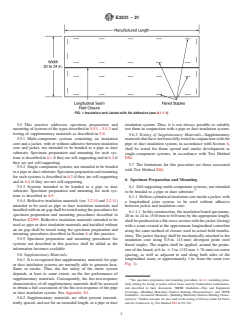
FIG. 1 Insulation and Jacket with No Adhesive (see 6.1.1.1)
5.5 This practice addresses specimen preparation and insulation system. Thus, it is not always possible to suitably
mounting of systems of the types described in 5.5.1 – 5.5.3 and test them in conjunction with a pipe or duct insulation system.
testing of supplementary materials as described in 5.6.
5.6.3 Testing of Supplementary Materials—Supplementary
5.5.1 Multi-component systems containing an insulation
materialsthathavenotbeenfullytestedinconjunctionwiththe
core and a jacket, with or without adhesive between insulation
pipe or duct insulation system, in accordance with Section 6,
core and jacket, not intended to be bonded to a pipe or duct
shall be tested for flame spread and smoke development as
substrate. Specimen preparation and mounting for such sys-
single-component systems, in accordance with Test Method
tems is described in 6.1 if they are self-supporting and in 6.2 if
E84.
they are not self-supporting.
5.7 The limitations for this procedure are those associated
5.5.2 Single component systems, not intended to be bonded
with Test Method E84.
to a pipe or duct substrate. Specimen preparation and mounting
for such systems is described in 6.3 if they are self-supporting
6. Specimen Preparation and Mounting
and in 6.4 if they are not self-supporting.
5.5.3 Systems intended to be bonded to a pipe or duct 6.1 Self-supporting multi-component systems, not intended
substrate. Specimen preparation and mounting for such sys-
to be bonded to a pipe or duct substrate:
tems is described in 6.5.
6.1.1 Hollowcylindricalinsulationcoreinsideajacket,with
5.5.4 Reflective insulation materials (see 3.2.10 and 3.2.11)
a longitudinal joint system, to be used without adhesive
intended to be used as pipe or duct insulation materials and
between jacket and insulation core:
installedwithanairgapshallbetestedusingtheproceduresfor
6.1.1.1 In this construction, the insulation board specimens,
specimen preparation and mounting procedures described in
20 in. to 24 in. (510 mm to 610 mm) by the appropriate length,
Practice E2599. Reflective insulation materials intended to be
shall be produced in a flat cross-section with the jacket (facing)
used as pipe or duct insulation materials and installed without
with a seam created at the approximate longitudinal centerline
an air gap shall be tested using the specimen preparation and
using the same method of closure used in actual field installa-
mounting procedures described in Section 6 of this practice.
tions. The jacket (facing) shall be mechanically attached to the
5.5.5 Specimen preparation and mounting procedures for
insulation core using 0.5 in. (13 mm) divergent point steel
systems not described in this practice shall be added as the
flared staples. The staples shall be applied, around the perim-
information becomes available.
eter of the board, at 6 in. 6 3 in. (152 mm 6 76 mm) on center
spacing, as well as adjacent to and along both sides of the
5.6 Supplementary Materials:
longitudinal seam, at approximately 1 in. from the seam (see
5.6.1 It is recognized that supplementary materials for pipe
Fig. 1).
or duct insulation systems are normally able to generate heat,
flame or smoke. Thus, the fire safety of the entire system
depends, at least to some extent, on the fire performance of
supplementary materials. Consequently, the fire-test-response 5
The specimen preparation and mounting procedures in 6.1, including poten-
characteristics of all supplementary materials shall be assessed
tially slitting the facing or jacket, mirror those used by Underwriters Laboratories,
and described in their documents “BRER GuideInfo—Pipe and Equipment
to obtain a full assessment of the fire-test-response of the pipe
Coverings—[Building Materials] (Surface Burning Characteristics)” and “BIYR
or duct insulation system. See Appendix X1.
GuideInfo—Acoustical Materials—[Building Materials] (Surface Burning Charac-
5.6.2 Supplementary materials are often present intermit-
teristics).” Similar concepts are also used in the testing of Factory-made Air Ducts
tently spaced, and not for an extended length, in a pipe or duct and Air Connectors by Test Method E84 in UL 181.
E2231 − 21
FIG. 2 Insulation and Jacket with Full Coat Adhesive (see 6.1.2.1 and 6.1.4.1)
6.1.1.2 Mount the specimens on the ledges of the Test 6.1.3.2 For each test, mount the specimens on the ledges of
MethodE84furnacewithoutusinganauxiliarysupportmecha- the Test Method E84 furnace without using an auxiliary
nism. support mechanism.
6.1.2 Hollowcylindricalinsulationcoreinsideajacket,with 6.1.4 Insulation core board with a jacket laminated to the
a full coat adhesive attaching the jacket to the insulation core: insulation:
6.1.2.1 In this construction, the insulation board specimens, 6.1.4.1 In this system the resulting longitudinal seam shall
20 in. to 24 in. (510 mm to 610 mm) by the appropriate length, be closed with either an adhesive tape or a vapor retarder lap
shall be produced in a flat cross-section with the jacket (facing) adhesive. In this construction, the insulation board specimens,
adhered to one side of the insulation core (see Fig. 2). 20 in. to 24 in. (510 mm to 610 mm) by the appropriate length,
6.1.2.2 Each test shall be conducted using a factory or field shall be produced in a flat cross-section with the jacket (facing)
joint along the longitudinal centerline of the test specimen, laminated to one side of the insulation core (see Fig. 2).
with a longitudinal seam created in the approximate centerline 6.1.4.2 Each test shall be conducted using a factory or field
using the same method of closure used in actual field installa- joint along the longitudinal centerline of the test specimen,
tions. with a longitudinal seam created in the approximate centerline
6.1.2.3 It shall be permitted to represent the field joint by
using the same method of closure used in actual field installa-
introducing a longitudinal slit cut along the longitudinal tions.
centerline of the specimen jacket and applying the manufac-
6.1.4.3 It shall be permitted to represent the field joint by
turer’s recommended field closure system (if applicable). introducing a longitudinal slit cut along the longitudinal
6.1.2.4 For each test, mount the specimens on the ledges of
centerline of the specimen jacket and applying the manufac-
the Test Method E84 furnace without using an auxiliary turer’s recommended field closure system (if applicable).
support mechanism.
6.1.4.4 For each test, mount the specimens on the ledges of
6.1.3 Hollowcylindricalinsulationcoreinsideajacket,with the Test Method E84 furnace without using an auxiliary
longitudinal adhesive beads or stripes in a stitch pattern
support mechanism.
attaching the jacket to the insulation core: 6.1.5 Hollow cylindrical insulation core inside a jacket
6.1.3.1 In this construction, the insulation board specimens,
laminated to the outer circumference of the insulation core,
20 in. to 24 in. (510 mm to 610 mm) by the appropriate length, with the jacket (facing) attached to the insulation core by
shall be produced in a flat cross-section with the jacket (f
...
This document is not an ASTM standard and is intended only to provide the user of an ASTM standard an indication of what changes have been made to the previous version. Because
it may not be technically possible to adequately depict all changes accurately, ASTM recommends that users consult prior editions as appropriate. In all cases only the current version
of the standard as published by ASTM is to be considered the official document.
Designation: E2231 − 19 E2231 − 21 An American National Standard
Standard Practice for
Specimen Preparation and Mounting of Pipe and Duct
Insulation Materials to Assess Surface Burning
Characteristics
This standard is issued under the fixed designation E2231; the number immediately following the designation indicates the year of
original adoption or, in the case of revision, the year of last revision. A number in parentheses indicates the year of last reapproval. A
superscript epsilon (´) indicates an editorial change since the last revision or reapproval.
1. Scope
1.1 This practice describes procedures for specimen preparation and mounting when testing pipe and duct insulation materials to
assess flame spread and smoke development as surface burning characteristics using Test Method E84.
1.2 If the pipe or duct insulation materials to be tested are reflective insulation materials (see 3.2.10 and 3.2.11), the materials shall
be tested using the procedures for specimen preparation and mounting described in Practice E2599 and not the procedures
described in 6.1 through 6.6.
1.3 Testing is conducted with Test Method E84.
1.4 This practice does not provide pass/fail criteria that can be used as a regulatory tool.
1.5 Use the values stated in inch-pound units as the standard, in referee decisions. The values in the SI system of units are given
in parentheses, for information only; see IEEE/ASTM SI-10 for further details.
1.6 This fire standard cannot be used to provide quantitative measures.
1.7 Fire testing of products and materials is inherently hazardous, and adequate safeguards for personnel and property shall be
employed in conducting these tests. Fire testing involves hazardous materials, operations, and equipment. This standard gives
instructions on specimen preparation and mounting, but the fire-test-response method is given in Test Method E84. See also Section
8.
1.8 The text of this standard references notes and footnotes which provide explanatory material. These notes and footnotes
(excluding those in tables and figures) shall not be considered requirements of the standard.
1.9 This standard does not purport to address all of the safety concerns, if any, associated with its use. It is the responsibility
of the user of this standard to establish appropriate safety, health, and environmental practices and determine the applicability of
regulatory limitations prior to use.
1.10 This fire standard cannot be used to provide quantitative measures.
This practice is under the jurisdiction of ASTM Committee E05 on Fire Standards and is the direct responsibility of Subcommittee E05.22 on Surface Burning.
Current edition approved Dec. 15, 2019Dec. 15, 2021. Published January 2020January 2022. Originally approved in 2002. Last previous edition approved in 20182019
as E2231-18.-19. DOI: 10.1520/E2231-19.10.1520/E2231-21.
Copyright © ASTM International, 100 Barr Harbor Drive, PO Box C700, West Conshohocken, PA 19428-2959. United States
E2231 − 21
1.10 This international standard was developed in accordance with internationally recognized principles on standardization
established in the Decision on Principles for the Development of International Standards, Guides and Recommendations issued
by the World Trade Organization Technical Barriers to Trade (TBT) Committee.
2. Referenced Documents
2.1 ASTM Standards:
C168 Terminology Relating to Thermal Insulation
C1186 Specification for Flat Fiber-Cement Sheets
C1224 Specification for Reflective Insulation for Building Applications
C1396/C1396M Specification for Gypsum Board
E84 Test Method for Surface Burning Characteristics of Building Materials
E176 Terminology of Fire Standards
E2599 Practice for Specimen Preparation and Mounting of Reflective Insulation, Radiant Barrier and Vinyl Stretch Ceiling
Materials for Building Applications to Assess Surface Burning Characteristics
IEEE/ASTM SI-10 International System of Units (SI) The Modernized Metric System
2.2 UL Standards:
UL 181 Standard for Safety for Factory-Made Air Ducts and Connectors
3. Terminology
3.1 Definitions—For definitions of terms used in this practice refer to the terminology contained in Terminology E176.
3.2 Definitions of Terms Specific to This Standard:
3.2.1 composite, n—as related to a pipe or duct insulation, see duct insulation system or pipe insulation system.
3.2.2 duct, n—as related to heating ventilating, air conditioning or exhaust systems, a passageway made of sheet metal or other
suitable material used for conveying air or other gases.
3.2.3 duct insulation system, n—as related to fire testing, system intended to insulate and cover, continuously for an extended
length, the outside surface of a duct; the system shall have an insulation core, with or without a covering or vapor retarder facing
which includes longitudinal closure systems (if used) and perhaps other duct insulation supplementary materials such as adhesives,
fasteners, or tapes (if used).
3.2.3.1 Discussion—
Duct system components, including tapes, sealants, and fitting covers, that do not cover the duct continuously for an extended
length, but which are associated with the duct insulation system are considered separately (see duct insulation supplementary
materials). An extended length is not intended to imply a length of 25 ft, 25 ft, but a length of at least 3 ft.3 ft.
3.2.4 duct insulation supplementary materials, n—as related to fire testing, components, including tapes and sealants used for
transverse joints as well as fitting covers that are intermittently spaced, as needed, within the duct insulation system, as well as
adhesives used to bond the insulation to the duct substrate and that do not cover the duct continuously for an extended length.
3.2.5 duct lining, n—material such as an insulation, coating or film, including adhesive, used to line the inside surface of a duct.
3.2.6 insulation blanket, n—a relatively flat and flexible insulation in coherent sheet form furnished in units of substantial area.
3.2.7 pipe, n—as related to heating, ventilating, or air conditioning systems, a cylindrical conduit for the conveyance of liquids
or semi-solids.
3.2.8 pipe insulation system, n—as related to fire testing, system intended to insulate and cover, continuously for an extended
For referenced ASTM standards, visit the ASTM website, www.astm.org, or contact ASTM Customer Service at service@astm.org. For Annual Book of ASTM Standards
volume information, refer to the standard’s Document Summary page on the ASTM website.
Available from Underwriters Laboratories (UL), Corporate Progress, 333 Pfingsten Rd., Northbrook, IL 60062.
This definition is similar to the definition of “blanket insulation” in Terminology C168 from committee C16 on Thermal Insulation.
E2231 − 21
length, the outside surface of a pipe; the system shall have an insulation core, with or without a covering or vapor retarder facing
which includes longitudinal closure systems (if used) and perhaps other pipe insulation supplementary materials such as adhesives,
fasteners, or tapes (if used).
3.2.8.1 Discussion—
Pipe system components, including tapes, sealants, and fitting covers, that do not cover the pipe continuously for an extended
length, but which are associated with the pipe insulation system are considered separately (see pipe insulation supplementary
materials). An extended length is not intended to imply a length of 25 ft, but a length of at least 3 ft.
3.2.9 pipe insulation supplementary materials, n—as related to fire testing, components, including tapes and sealants used for
transverse joints as well as fitting covers that are intermittently spaced, as needed, within the pipe insulation system, as well as
adhesives used to bond the insulation to the pipe substrate and that do not cover the pipe continuously for an extended length.
3.2.10 reflective insulation, n—thermal insulation consisting of one or more low emittance surfaces bounding one or more
enclosed air spaces.
3.2.10.1 Discussion—
Reflective insulation materials are defined in Specification C1224.
3.2.11 reflective plastic core insulation, n—an insulation material packaged in rolls, that is less than 0.5 in. (12.7 mm) thick, with
at least one exterior low emittance surface (0.1 or less) and a core material containing voids or cells.
3.2.11.1 Discussion—
Reflective plastic core insulation materials are one specific type of reflective insulation materials.
3.2.12 self-supporting specimen, n—a specimen that remains in place by its own structural characteristics both before and during
the fire test.
4. Summary of Practice
4.1 This practice describes procedures for specimen preparation and mounting when testing pipe and duct insulation materials to
assess flame spread and smoke development as surface burning characteristics using Test Method E84.
4.2 Pipe or duct insulation systems (or composites related to pipe or duct insulation) consist of an insulation core, with or without
a jacket, and with or without an adhesive. Pipe or duct insulation systems shall be tested in accordance with the specimen
preparation and mounting procedures described in this practice, using Test Method E84.
4.3 Supplementary materials for pipe or duct insulation systems, including tapes, joint sealants, and fitting covers, that are
intermittently spaced, shall be tested for flame spread and smoke development as single-component systems, using Test Method
E84.
5. Significance and Use
5.1 Pipe and duct insulation systems are often evaluated with Test Method E84 to comply with building or mechanical code
requirements. This practice describes, in detail, specimen preparation and mounting procedures for single-component pipe or duct
insulation systems and for multi-component pipe or duct insulation systems.
5.2 The material, system, composite, or assembly tested shall be representative of the completed insulation system used in actual
field installations, in terms of the components, including their respective thicknesses.
5.3 Pipe and duct insulation systems consist of a variety of materials and constructions.
5.4 Some testing laboratories have developed a number of protocols for testing pipe or duct insulation systems which utilize one
generic type of materials, all of them with an insulation core and a jacket. Those protocols are the origin of this practice, which
makes them generic, to reduce material bias in the standard; they have resulted in the procedures presented in 6.1. The procedures
presented in 6.2 – 6.5 address other types of pipe or duct insulation systems.
E2231 − 21
5.5 This practice addresses specimen preparation and mounting of systems of the types described in 5.5.1 – 5.5.3 and testing of
supplementary materials as described in 5.6.
5.5.1 Multi-component systems containing an insulation core and a jacket, with or without adhesive between insulation core and
jacket, not intended to be bonded to a pipe or duct substrate. Specimen preparation and mounting for such systems is described
in 6.1 if they are self-supporting and in 6.2 if they are not self-supporting.
5.5.2 Single component systems, not intended to be bonded to a pipe or duct substrate. Specimen preparation and mounting for
such systems is described in 6.3 if they are self-supporting and in 6.4 if they are not self-supporting.
5.5.3 Systems intended to be bonded to a pipe or duct substrate. Specimen preparation and mounting for such systems is described
in 6.5.
5.5.4 Reflective insulation materials (see 3.2.10 and 3.2.11) intended to be used as pipe or duct insulation materials and installed
with an air gap shall be tested using the procedures for specimen preparation and mounting procedures described in Practice E2599.
Reflective insulation materials intended to be used as pipe or duct insulation materials and installed without an air gap shall be
tested using the specimen preparation and mounting procedures described in Section 6 of this practice.
5.5.5 Specimen preparation and mounting procedures for systems not described in this practice shall be added as the information
becomes available.
5.6 Supplementary Materials:
5.6.1 It is recognized that supplementary materials for pipe or duct insulation systems are normally able to generate heat, flame
or smoke. Thus, the fire safety of the entire system depends, at least to some extent, on the fire performance of supplementary
materials. Consequently, the fire-test-response characteristics of all supplementary materials shall be assessed to obtain a full
assessment of the fire-test-response of the pipe or duct insulation system. See Appendix X1.
5.6.2 Supplementary materials are often present intermittently spaced, and not for an extended length, in a pipe or duct insulation
system. Thus, it is not always possible to suitably test them in conjunction with a pipe or duct insulation system.
5.6.3 Testing of Supplementary Materials—Supplementary materials that have not been fully tested in conjunction with the pipe
or duct insulation system, in accordance with Section 6, shall be tested for flame spread and smoke development as
single-component systems, in accordance with Test Method E84.
5.7 The limitations for this procedure are those associated with Test Method E84.
6. Specimen Preparation and Mounting
6.1 Self-supporting multi-component systems, not intended to be bonded to a pipe or duct substrate:
6.1.1 Hollow cylindrical insulation core inside a jacket, with a longitudinal joint system, to be used without adhesive between
jacket and insulation core:
6.1.1.1 In this construction, the insulation board specimens, 20 to 24 in. (510 to 610 mm) 20 in. to 24 in. (510 mm to 610 mm)
by the appropriate length, shall be produced in a flat cross-section with the jacket (facing) with a seam created at the approximate
longitudinal centerline using the same method of closure used in actual field installations. The jacket (facing) shall be mechanically
attached to the insulation core using 0.5 in. (13 mm) 0.5 in. (13 mm) divergent point steel flared staples. The staples shall be
applied, around the perimeter of the board, at 6 6 3 in. (152 6 76 mm) 6 in. 6 3 in. (152 mm 6 76 mm) on center spacing, as
well as adjacent to and along both sides of the longitudinal seam, at approximately 1 in. 1 in. from the seam (see Fig. 1).
6.1.1.2 Mount the specimens on the ledges of the Test Method E84 furnace without using an auxiliary support mechanism.
The specimen preparation and mounting procedures in 6.1, including potentially slitting the facing or jacket, mirror those used by Underwriters Laboratories, and
described in their documents “BRER GuideInfo—Pipe and Equipment Coverings—[Building Materials] (Surface Burning Characteristics)” and “BIYR GuideInfo—
Acoustical Materials—[Building Materials] (Surface Burning Characteristics).” Similar concepts are also used in the testing of Factory-made Air Ducts and Air Connectors
by Test Method E84 in UL 181.
E2231 − 21
FIG. 1 Insulation and Jacket with No Adhesive (see 6.1.1.1)
6.1.2 Hollow cylindrical insulation core inside a jacket, with a full coat adhesive attaching the jacket to the insulation core:
6.1.2.1 In this construction, the insulation board specimens, 2020 in. to 24 in. (510(510 mm to 610 mm) by the appropriate length,
shall be produced in a flat cross-section with the jacket (facing) adhered to one side of the insulation core (see Fig. 2).
6.1.2.2 Each test shall be conducted using a factory or field joint along the longitudinal centerline of the test specimen, with a
longitudinal seam created in the approximate centerline using the same method of closure used in actual field installations.
6.1.2.3 It shall be permitted to represent the field joint by introducing a longitudinal slit cut along the longitudinal centerline of
the specimen jacket and applying the manufacturer’s recommended field closure system (if applicable).
6.1.2.4 For each test, mount the specimens on the ledges of the Test Method E84 furnace without using an auxiliary support
mechanism.
6.1.3 Hollow cylindrical insulation core inside a jacket, with longitudinal adhesive beads or stripes in a stitch pattern attaching
the jacket to the insulation core:
6.1.3.1 In this construction, the insulation board specimens, 2020 in. to 24 in. (510(510 mm to 610 mm) by the appropriate length,
shall be produced in a flat cross-section with the jacket (facing) laminated to one side of the insulation core. The adhesive bead
or stripe spacing shall be the same as used in the actual field installation. Divergent point steel flared staples, 0.5 in. (13 mm) 0.5 in.
(13 mm) in size, shall be applied, around the perimeter of the board, at 6 6 3 in. (152 6 76 mm) 6 in. 6 3 in. (152 mm 6 76 mm)
on center spacing, as well as adjacent to and along both sides of the longitudinal seam, at approximately 1 in. from the seam (see
Fig. 3).
6.1.3.2 For each test, mount the specimens on the ledges of the Test Method E84 furnace without using an auxiliary support
mechanism.
6.1.4 Insulation core board with a jacket laminated to the insulation:
6.1.4.1 In this system the resulting longitudinal seam shall be closed with either an adhesive tape or a vapor retarder lap adhesive.
In this construction, the insulation board specimens, 2020 in. to 24 in. (510(510 mm to 610 mm) by the appropriate length, shall
be produced in a flat cross-section with the jacket (facing) laminated to one side of the insulation core (see Fig. 2).
6.1.4.2 Each test shall be conducted using a factory or field joint along the longitudinal centerline of the test specimen, with a
longitudinal seam created in the approximate centerline using the same method of closure used in actual field installations.
This testing is intended to investigate the contribution of all combustibles to the flame spread and smoke developed by the system to be used in the actual fiel
...