

ASTM D2272-22
(Test Method)Standard Test Method for Oxidation Stability of Steam Turbine Oils by Rotating Pressure Vessel
General Information
- Abstract
SIGNIFICANCE AND USE
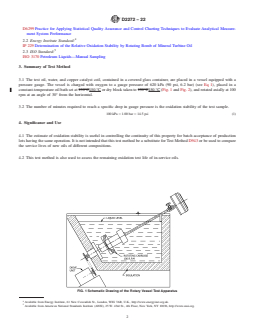
4.1 The estimate of oxidation stability is useful in controlling the continuity of this property for batch acceptance of production lots having the same operation. It is not intended that this test method be a substitute for Test Method D943 or be used to compare the service lives of new oils of different compositions.
4.2 This test method is also used to assess the remaining oxidation test life of in-service oils.
SCOPE
1.1 This test method2 utilizes an oxygen-pressured vessel to evaluate the oxidation stability of new and in-service turbine oils having the same composition (base stock and additives) in the presence of water and a copper catalyst coil at 150 °C.
1.2 Appendix X1 describes a new optional turbine oil (unused) sample nitrogen purge pretreatment procedure for determining the percent residual ratio of RPVOT value for the pretreated sample divided by RPVOT value of the new (untreated) oil, sometimes referred to as a “% RPVOT Retention.” This nitrogen purge pretreatment approach was designed to detect volatile antioxidant inhibitors that are not desirable for use in high temperature gas turbines.
1.3 The values stated in SI units are to be regarded as standard. No other units of measurement are included in this standard.
1.3.1 Exception—Other units are provided in parentheses (psi, grams, and inches), because they are either the industry accepted standard or the apparatus is built according the figures in this standard, or both.
1.4 This standard does not purport to address all of the safety concerns, if any, associated with its use. It is the responsibility of the user of this standard to establish appropriate safety, health, and environmental practices and determine the applicability of regulatory limitations prior to use. For specific warning statements, see 6.2, 6.4, 6.5, 6.6, and 6.10.
1.5 This international standard was developed in accordance with internationally recognized principles on standardization established in the Decision on Principles for the Development of International Standards, Guides and Recommendations issued by the World Trade Organization Technical Barriers to Trade (TBT) Committee.
- Status
- Published
- Publication Date
- 31-Mar-2022
- Technical Committee
- D02 - Petroleum Products, Liquid Fuels, and Lubricants
- Drafting Committee
- D02.09.0C - Oxidation of Turbine Oils
Buy Documents
ASTM D2272-22 - Standard Test Method for Oxidation Stability of Steam Turbine Oils by Rotating Pressure Vessel
REDLINE ASTM D2272-22 - Standard Test Method for Oxidation Stability of Steam Turbine Oils by Rotating Pressure Vessel
Overview
ASTM D2272-22 is the Standard Test Method for Oxidation Stability of Steam Turbine Oils by Rotating Pressure Vessel, developed by ASTM International. This test method is designed to evaluate the oxidation stability of both new and in-service steam turbine oils having the same base stock and additives. Assessment is made in the presence of water and a copper catalyst coil using an oxygen-pressured rotating vessel at 150 °C. The method offers a reliable estimate of oxidation stability to support quality control within production batches and assess the remaining useful life of in-service turbine oils.
Key Topics
- Oxidation Stability Measurement: The test determines the time taken for a sample, under specified conditions, to reach a defined drop in vessel pressure, indicating oxidative breakdown. This is critical in managing the performance and longevity of turbine oils.
- Batch Acceptance and Quality Control: Results from this test enable effective monitoring of production lot consistency and support batch acceptance decisions based on oxidation stability.
- Assessment of In-Service Oils: The method also evaluates the residual oxidation life of used turbine oils, making it valuable for maintenance and replacement strategies.
- Nitrogen Purge Pretreatment (Optional): An appendix introduces a nitrogen purge pretreatment for unused oils to identify volatile antioxidant inhibitors, improving oil selection for high-temperature gas turbine applications.
- Standardized Reporting: Results are expressed as the time taken to meet a specific pressure drop. Alternative results and reporting options are also described, supporting different application needs and laboratory protocols.
- Safety and Quality Assurance: The standard emphasizes strict adherence to safety, health, and environmental protocols and includes recommendations for quality control monitoring as per related ASTM practices.
Applications
- Steam Turbine Operation: Used for routine monitoring and batch acceptance in power generation and heavy industry where turbines rely on oil for lubrication and heat transfer.
- Predictive Maintenance: By assessing the oxidation stability and remaining life of in-service oils, operators can make informed decisions on lubricant change intervals, reducing the risk of equipment failure.
- Manufacturing Quality Assurance: Turbine oil producers utilize the method to benchmark product stability and maintain consistency across batches.
- Antioxidant Inhibitor Screening: The optional nitrogen pretreatment procedure aids in identifying volatile inhibitors, informing oil selection for challenging gas turbine environments.
- Regulatory Compliance: Meets internationally recognized standards for petroleum products and supports compliance with industrial and environmental guidelines.
Related Standards
- ASTM D943 - Test Method for Oxidation Characteristics of Inhibited Mineral Oils
- ASTM D4742 - Test Method for Oxidation Stability of Gasoline Automotive Engine Oils by Thin-Film Oxygen Uptake (TFOUT)
- ASTM D6299 - Practice for Applying Statistical Quality Assurance and Control Charting Techniques
- ASTM B1 - Specification for Hard-Drawn Copper Wire (catalyst material)
- ASTM D1193 - Specification for Reagent Water
- ISO 3170 - Petroleum Liquids-Manual Sampling (for sample preparation and handling)
- Energy Institute IP 229 - Determination of the Relative Oxidation Stability by Rotating Bomb of Mineral Turbine Oil
Practical Value
Implementing ASTM D2272-22 provides operators and manufacturers with a consistent, validated approach to measure and monitor the oxidation stability of steam turbine oils. Enhanced oil monitoring prolongs equipment life, reduces operational risk, and ensures consistent product quality for demanding applications. Inclusion of this method in preventive maintenance and quality assurance programs strengthens operational uptime and supports regulatory compliance, making it an essential standard for power generation and industrial lubrication management.
Keywords: ASTM D2272-22, oxidation stability, steam turbine oils, rotating pressure vessel, quality control, predictive maintenance, antioxidant inhibitors, oil analysis, ASTM standards, turbine maintenance.
Relations
- Effective Date
- 01-Dec-2023
- Effective Date
- 01-Oct-2018
- Effective Date
- 15-Dec-2017
- Effective Date
- 15-Nov-2017
- Effective Date
- 15-Jun-2017
- Effective Date
- 01-Jan-2017
- Effective Date
- 01-Jun-2016
- Effective Date
- 01-Oct-2013
- Effective Date
- 01-Oct-2013
- Effective Date
- 15-Nov-2012
- Effective Date
- 01-Mar-2010
- Effective Date
- 01-Mar-2010
- Effective Date
- 01-Nov-2009
- Effective Date
- 15-Oct-2008
- Effective Date
- 15-Oct-2008
Buy Documents
ASTM D2272-22 - Standard Test Method for Oxidation Stability of Steam Turbine Oils by Rotating Pressure Vessel
REDLINE ASTM D2272-22 - Standard Test Method for Oxidation Stability of Steam Turbine Oils by Rotating Pressure Vessel
Get Certified
Connect with accredited certification bodies for this standard

Element Materials Technology
Materials testing and product certification.

ABS Group Brazil
ABS Group certification services in Brazil.

ABS Quality Evaluations Inc.
American Bureau of Shipping quality certification.
Sponsored listings
Frequently Asked Questions
ASTM D2272-22 is a standard published by ASTM International. Its full title is "Standard Test Method for Oxidation Stability of Steam Turbine Oils by Rotating Pressure Vessel". This standard covers: SIGNIFICANCE AND USE 4.1 The estimate of oxidation stability is useful in controlling the continuity of this property for batch acceptance of production lots having the same operation. It is not intended that this test method be a substitute for Test Method D943 or be used to compare the service lives of new oils of different compositions. 4.2 This test method is also used to assess the remaining oxidation test life of in-service oils. SCOPE 1.1 This test method2 utilizes an oxygen-pressured vessel to evaluate the oxidation stability of new and in-service turbine oils having the same composition (base stock and additives) in the presence of water and a copper catalyst coil at 150 °C. 1.2 Appendix X1 describes a new optional turbine oil (unused) sample nitrogen purge pretreatment procedure for determining the percent residual ratio of RPVOT value for the pretreated sample divided by RPVOT value of the new (untreated) oil, sometimes referred to as a “% RPVOT Retention.” This nitrogen purge pretreatment approach was designed to detect volatile antioxidant inhibitors that are not desirable for use in high temperature gas turbines. 1.3 The values stated in SI units are to be regarded as standard. No other units of measurement are included in this standard. 1.3.1 Exception—Other units are provided in parentheses (psi, grams, and inches), because they are either the industry accepted standard or the apparatus is built according the figures in this standard, or both. 1.4 This standard does not purport to address all of the safety concerns, if any, associated with its use. It is the responsibility of the user of this standard to establish appropriate safety, health, and environmental practices and determine the applicability of regulatory limitations prior to use. For specific warning statements, see 6.2, 6.4, 6.5, 6.6, and 6.10. 1.5 This international standard was developed in accordance with internationally recognized principles on standardization established in the Decision on Principles for the Development of International Standards, Guides and Recommendations issued by the World Trade Organization Technical Barriers to Trade (TBT) Committee.
SIGNIFICANCE AND USE 4.1 The estimate of oxidation stability is useful in controlling the continuity of this property for batch acceptance of production lots having the same operation. It is not intended that this test method be a substitute for Test Method D943 or be used to compare the service lives of new oils of different compositions. 4.2 This test method is also used to assess the remaining oxidation test life of in-service oils. SCOPE 1.1 This test method2 utilizes an oxygen-pressured vessel to evaluate the oxidation stability of new and in-service turbine oils having the same composition (base stock and additives) in the presence of water and a copper catalyst coil at 150 °C. 1.2 Appendix X1 describes a new optional turbine oil (unused) sample nitrogen purge pretreatment procedure for determining the percent residual ratio of RPVOT value for the pretreated sample divided by RPVOT value of the new (untreated) oil, sometimes referred to as a “% RPVOT Retention.” This nitrogen purge pretreatment approach was designed to detect volatile antioxidant inhibitors that are not desirable for use in high temperature gas turbines. 1.3 The values stated in SI units are to be regarded as standard. No other units of measurement are included in this standard. 1.3.1 Exception—Other units are provided in parentheses (psi, grams, and inches), because they are either the industry accepted standard or the apparatus is built according the figures in this standard, or both. 1.4 This standard does not purport to address all of the safety concerns, if any, associated with its use. It is the responsibility of the user of this standard to establish appropriate safety, health, and environmental practices and determine the applicability of regulatory limitations prior to use. For specific warning statements, see 6.2, 6.4, 6.5, 6.6, and 6.10. 1.5 This international standard was developed in accordance with internationally recognized principles on standardization established in the Decision on Principles for the Development of International Standards, Guides and Recommendations issued by the World Trade Organization Technical Barriers to Trade (TBT) Committee.
ASTM D2272-22 is classified under the following ICS (International Classification for Standards) categories: 75.100 - Lubricants, industrial oils and related products. The ICS classification helps identify the subject area and facilitates finding related standards.
ASTM D2272-22 has the following relationships with other standards: It is inter standard links to ASTM D6299-23a, ASTM B1-13(2018), ASTM D6299-17b, ASTM D6299-17a, ASTM D943-17, ASTM D6299-17, ASTM D4742-16, ASTM B1-13, ASTM D6299-13e1, ASTM B1-12, ASTM D6299-10, ASTM D6299-10e2, ASTM D6299-09, ASTM D4742-08, ASTM D6299-08. Understanding these relationships helps ensure you are using the most current and applicable version of the standard.
ASTM D2272-22 is available in PDF format for immediate download after purchase. The document can be added to your cart and obtained through the secure checkout process. Digital delivery ensures instant access to the complete standard document.
Standards Content (Sample)
This international standard was developed in accordance with internationally recognized principles on standardization established in the Decision on Principles for the
Development of International Standards, Guides and Recommendations issued by the World Trade Organization Technical Barriers to Trade (TBT) Committee.
Designation: D2272 − 22
Standard Test Method for
Oxidation Stability of Steam Turbine Oils by Rotating
Pressure Vessel
This standard is issued under the fixed designation D2272; the number immediately following the designation indicates the year of
original adoption or, in the case of revision, the year of last revision. A number in parentheses indicates the year of last reapproval. A
superscript epsilon (´) indicates an editorial change since the last revision or reapproval.
This standard has been approved for use by agencies of the U.S. Department of Defense.
1. Scope* mendations issued by the World Trade Organization Technical
2 Barriers to Trade (TBT) Committee.
1.1 This test method utilizes an oxygen-pressured vessel to
evaluate the oxidation stability of new and in-service turbine
2. Referenced Documents
oils having the same composition (base stock and additives) in
2.1 ASTM Standards:
the presence of water and a copper catalyst coil at 150 °C.
B1 Specification for Hard-Drawn Copper Wire
1.2 Appendix X1 describes a new optional turbine oil
D943 Test Method for Oxidation Characteristics of Inhibited
(unused) sample nitrogen purge pretreatment procedure for
Mineral Oils
determining the percent residual ratio of RPVOT value for the
D1193 Specification for Reagent Water
pretreated sample divided by RPVOT value of the new
D4742 Test Method for Oxidation Stability of Gasoline
(untreated) oil, sometimes referred to as a “% RPVOT Reten-
Automotive Engine Oils by Thin-Film Oxygen Uptake
tion.”This nitrogen purge pretreatment approach was designed
(TFOUT)
to detect volatile antioxidant inhibitors that are not desirable
D6299 Practice for Applying Statistical Quality Assurance
for use in high temperature gas turbines.
and Control Charting Techniques to Evaluate Analytical
1.3 The values stated in SI units are to be regarded as
Measurement System Performance
standard. No other units of measurement are included in this
2.2 Energy Institute Standard:
standard.
IP 229 Determination of the Relative Oxidation Stability by
1.3.1 Exception—Other units are provided in parentheses
Rotating Bomb of Mineral Turbine Oil
(psi, grams, and inches), because they are either the industry
2.3 ISO Standard:
acceptedstandardortheapparatusisbuiltaccordingthefigures
ISO 3170 Petroleum Liquids—Manual Sampling
in this standard, or both.
1.4 This standard does not purport to address all of the
3. Summary of Test Method
safety concerns, if any, associated with its use. It is the
3.1 The test oil, water, and copper catalyst coil, contained in
responsibility of the user of this standard to establish appro-
a covered glass container, are placed in a vessel equipped with
priate safety, health, and environmental practices and deter-
a pressure gauge.The vessel is charged with oxygen to a gauge
mine the applicability of regulatory limitations prior to use.
pressure of 620 kPa (90 psi, 6.2 bar) (see Eq 1), placed in a
Forspecificwarningstatements,see6.2,6.4,6.5,6.6,and6.10.
constant-temperature oil bath set at 150 °C or dry block taken
1.5 This international standard was developed in accor-
to 150 °C (Fig. 1 and Fig. 2), and rotated axially at 100 rpm at
dance with internationally recognized principles on standard-
an angle of 30° from the horizontal.
ization established in the Decision on Principles for the
3.2 The number of minutes required to reach a specific drop
Development of International Standards, Guides and Recom-
in gauge pressure is the oxidation stability of the test sample.
100 kPa 5 1.00 bar 5 14.5 psi (1)
This test method is under the jurisdiction of ASTM Committee D02 on
Petroleum Products, Liquid Fuels, and Lubricants and is the direct responsibility of
Subcommittee D02.09.0C on Oxidation of Turbine Oils.
Current edition approved April 1, 2022. Published May 2022. Originally For referenced ASTM standards, visit the ASTM website, www.astm.org, or
approved in 1964. Last previous edition approved in 2014 as D2272 – 14a. DOI: contact ASTM Customer Service at service@astm.org. For Annual Book of ASTM
10.1520/D2272-22. Standards volume information, refer to the standard’s Document Summary page on
von Fuchs, G. H., Claridge, E. L., and Zuidema, H. H., “The Rotary Bomb the ASTM website.
Oxidation Test for Inhibited Turbine Oils,” Materials Research and Standards, Available from Energy Institute, 61 New Cavendish St., London, WIG 7AR,
MTRSA (formerly ASTM Bulletin), No. 186, December 1952, pp. 43–46; von U.K., http://www.energyinst.org.uk.
Fuchs, G. H., “Rotary Bomb Oxidation Test,” Lubrication Engineering, Vol 16, Available fromAmerican National Standards Institute (ANSI), 25 W. 43rd St.,
No.1, January 1960, pp. 22–31. 4th Floor, New York, NY 10036, http://www.ansi.org.
*A Summary of Changes section appears at the end of this standard
Copyright © ASTM International, 100 Barr Harbor Drive, PO Box C700, West Conshohocken, PA 19428-2959. United States
D2272 − 22
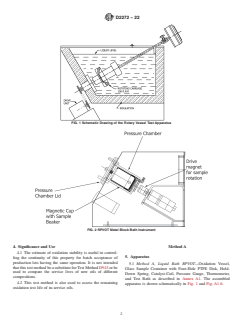
FIG. 1 Schematic Drawing of the Rotary Vessel Test Apparatus
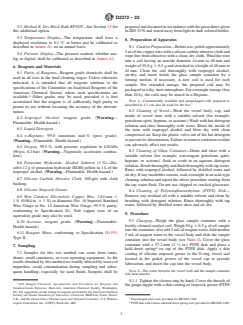
FIG. 2 RPVOT Metal Block Bath Instrument
4. Significance and Use Method A
4.1 The estimate of oxidation stability is useful in control-
5. Apparatus
ling the continuity of this property for batch acceptance of
production lots having the same operation. It is not intended
5.1 Method A, Liquid Bath RPVOT—Oxidation Vessel,
thatthistestmethodbeasubstituteforTestMethodD943orbe
Glass Sample Container with Four-Hole PTFE Disk, Hold-
used to compare the service lives of new oils of different
Down Spring, Catalyst-Coil, Pressure Gauge, Thermometer,
compositions.
and Test Bath as described in Annex A1. The assembled
4.2 This test method is also used to assess the remaining
apparatus is shown schematically in Fig. 1 and Fig. A1.6.
oxidation test life of in-service oils.
D2272 − 22
5.2 Method B, Dry Block Bath RPVOT—See Section 13 for preparedanddecantedinaccordancewiththeproceduresgiven
this additional option. inISO3170andstoredawayfromlightindarkcoloredbottles.
5.3 Temperature Display—The temperature shall have a
8. Preparation of Apparatus
displayed resolution to 0.1 °C or better and be calibrated as
8.1 Catalyst Preparation—Beforeuse,polishapproximately
described in Annex A1 on an annual basis.
3mofthecopperwirewithasiliconcarbideabrasiveclothand
5.4 Pressure Display—The pressure readout, whether ana-
wipe free from abrasives with a clean, dry cloth.Wind the wire
log or digital, shall be calibrated as described in Annex A1.
into a coil having an outside diameter 44 mm to 48 mm and
weight of 55.6 g 6 0.3 g and stretched to a height of 40 mm to
6. Reagents and Materials
42 mm. Clean the coil thoroughly with isopropyl alcohol,
6.1 Purity of Reagents—Reagent grade chemicals shall be
air-dry, and insert inside the glass sample container by a
used in all tests in the final cleaning stages. Unless otherwise
turning motion, if necessary. A new coil is used for each
indicated, it is intended that all reagents conform to the
sample. For extended storage, the prepared coil may be
specifications of the Committee on Analytical Reagents of the
packagedinadry,inertatmosphere.Forovernightstorage(less
American Chemical Society where such specifications are
than 24 h), the coils may be stored in n-Heptane.
available. Other grades may be used, provided it is first
NOTE 1—Commercially available and prepackaged coils prepared as
ascertained that the reagent is of sufficiently high purity to
described in 8.1 can also be used for the test.
permit its use without lessening the accuracy of the determi-
8.2 Cleaning of Vessel—Wash the vessel body, cap, and
nation.
inside of vessel stem with a suitable solvent (for example,
6.2 Isopropyl Alcohol, reagent grade. (Warning—
petroleum spirit, heptane, or acetone.) Wash with hot detergent
Flammable. Health hazard.)
solution and rinse thoroughly with water. Rinse the inside of
6.3 Liquid Detergent.
the stem with isopropyl alcohol and blow dry with clean
compressed air. Keep the plastic valve out of the hot detergent
6.4 n-Heptane, 99.0 minimum mol % (pure grade).
topreventitsdeterioration.Failuretoremoveoxidationresidue
(Warning—Flammable. Health hazard.)
can adversely affect test results.
6.5 Oxygen, 99.5 %, with pressure regulation to 620 kPa
8.3 Cleaning of Glass Container—Drain and rinse with a
(90 psi, 6.2 bar). (Warning—Vigorously accelerates combus-
suitable solvent (for example, non-reagent petroleum spirit,
tion.)
heptane, or acetone). Soak or scrub in an aqueous detergent
6.6 Potassium Hydroxide, Alcohol Solution (1 %)—Dis-
solution.Brushthoroughlyandflushthoroughlywithtapwater.
solve 12 g of potassium hydroxide (KOH) pellets in 1 Lof the
Rinse with isopropyl alcohol, followed by distilled water and
isopropyl alcohol. (Warning—Flammable. Health hazard.)
airdry.Ifanyinsolublesremain,soakovernightinanacid-type
6.7 Silicone Carbide Abrasive Cloth, 100-grit with cloth
cleaning solution and repeat the above procedure starting from
backing.
the tap water flush. Do not use chipped or cracked glassware.
6.8 Silicone Stopcock Grease.
8.4 Cleaning of Polytetrafluoroethylene (PTFE) Disk—
Remove any residual oil with a suitable solvent and clean by
6.9 Wire Catalyst, Electrolytic Copper Wire, 1.63 mm 6
brushing with detergent solution. Rinse thoroughly with tap
1 % (0.064 in. 6 1 %) in diameter (No. 16 Imperial Standard
water, followed by distilled water rinse and air dry.
Wire Gauge or No. 14 American Wire Gauge, 99.9 % purity,
conforming to Specification B1. Soft copper wire of an
9. Procedure
equivalent grade may also be used.
9.1 Charging—Weigh the glass sample container with a
6.10 Acetone, reagent grade. (Warning—Flammable.
freshly cleaned catalyst coil. Weigh 50 g 6 0.5 g of oil sample
Health hazard.)
into the container; also add 5 mLof reagent water.Add another
6.11 Reagent Water, conforming to Specification D1193,
5 mL of reagent water to the vessel body and slide the sample
Type II.
container into the vessel body (see Note 2). Cover the glass
container with a 57.2 mm (2 ⁄4 in.) PTFE disk and place a
7. Sampling
hold-down spring on top of the PTFE disk. Apply a thin
7.1 Samples for this test method can come from tanks,
coating of silicone stopcock grease to the O-ring vessel seal
drums, small containers, or even operating equipment. As the
located in the gasket groove of the vessel cap to provide
resultsobtainedbythismethodarereadilyaffectedbytracesof
lubrication, and insert the cap into the vessel body.
impurities, avoid contamination during sampling and subse-
NOTE 2—The water between the vessel wall and the sample container
quent handling; especially for used fluids. Samples shall be
aids heat transfer.
9.1.1 Tighten the closure ring by hand. Cover the threads of
ACS Reagent Chemicals, Specifications and Procedures for Reagents and
the gauge-nipple with a thin coating of stopcock grease (PTFE
Standard-Grade Reference Materials, American Chemical Society, Washington,
DC. For suggestions on the testing of reagents not listed by theAmerican Chemical
Society, see Analar Standards for Laboratory Chemicals, BDH Ltd., Poole, Dorset,
U.K., and the United States Pharmacopeia and National Formulary, U.S. Pharma- Prepackaged coils were provided for RR:D02-1409.
copeial Convention, Inc. (USPC), Rockville, MD. PTFEdiskwith4-holesandholddownspringwereprovidedforRR:D02-1409.
D2272 − 22
NOTE 5—Maintaining the correct temperature within the specified
pipe tape is a suitable alternative to the use of stopcock grease)
limits of 6 0.1 °C during the entire test run is an important factor assuring
and screw the gauge into the top center of the vessel stem.
both repeatability and reproducibility of test results.
Attach the oxygen line with an inline pressure gauge to the
inlet valve on the vessel stem. Slowly turn on the oxygen 9.3 Keep the vessel completely submerged and maintain
supply valve until the pressure has reached 620 kPa (90 psi,
continuousanduniformrotationthroughoutthetest.Astandard
6.2 bar). Turn off the oxygen supply valve. Slowly release rotational speed of 100 rpm 6 5 rpm is required; any appre-
pressure by loosening the fitting or by using an inline bleeder
ciable variations in this speed could cause erratic results.
valve. Repeat purging process two more times; purge step
9.4 The test is complete after the pressure drops more than
should take approximately 3 min. Adjust the regulating valve
175 kPa (25.4 psi, 1.75 bar) below the maximum pressure (see
on the oxygen supply tank to 620 kPa 6 1.4 kPa (90 psi,
Note 6). The pressure drop usually, but not always, coincides
6.2 bar) at a room temperature of 25 °C (77 °F). For each
with an induction-type period of rapid pressure drop. When it
2.0 °C(3.6 °F)aboveorbelowthistemperature,5 kPa(0.7 psi,
does not, the operator may question whether he has produced
0.05 bar) shall be added or subtracted to attain the required
a valid experiment (see Note 7).Two additional reports may be
initial pressure. Fill the vessel to this required pressure and
provided: Option A at 345 kPa (50 psi, 3.44 bar) drop below
close the inlet valve securely by hand. Open the pressure valve
the maximum pressure and Option B reporting the total
one more time and watch the pressure gauge to make certain it
pressure drop after 1440 min.
isnotdecreasing.Ifnot,thenclosethevalve.Ifdesired,testthe
vessel for leaks by immersing in water (see Note 3).
NOTE 6—While termination of the test at a 175 kPa (25.4 psi, 1.75 bar)
pressure drop is the standard procedure, some operators may elect to stop
NOTE3—Ifthevesselwasimmersedinwatertocheckforleaks,drythe
the test at other pressure drops, such as 345 kPa (50 psi, 3.45 bar), to
outside of the wet vessel by any convenient means such as airblast or a
observe the condition of the oil after a predetermined test period.Another
towel. Such drying is advisable to prevent subsequent introduction of free
example is 100 min or 1440 min. When each of these are within the
water into the hot oil bath which would cause sputtering. For safety
normal induction period of new inhibited oils.
purposes, a face shield is recommended during the charging process.
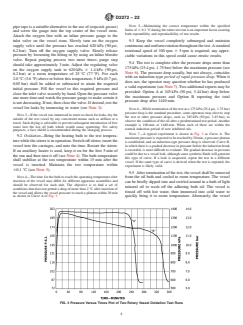
NOTE 7—A typical experiment is shown in Fig. 3 as Curve A. The
9.2 Oxidation—Bring the heating bath to the test tempera-
maximumpressureisexpectedtobereachedby30min,apressureplateau
turewhilethestirrerisinoperation.Switchoffstirrer,insertthe
is established, and an induction-type pressure drop is observed. Curve B,
vessel into the carriages, and note the time. Restart the stirrer. in which there is a gradual decrease in pressure before the induction break
is recorded, is more difficult to evaluate. The gradual decrease in pressure
If an auxiliary heater is used, keep it on for the first 5 min of
could be due to a vessel leak, although some synthetic fluids will generate
the run and then turn it off (see Note 4). The bath temperature
this type of curve. If a leak is suspected, repeat the test in a different
shall stabilize at the test temperature within 15 min after the
vessel. If the same type of curve is derived when the test is repeated, the
vessel is inserted. Maintain the test temperature within
experiment is likely valid.
60.1 °C (see Note 5).
9.5 Afterterminationofthetest,thevesselshallberemoved
NOTE 4—The time for the bath to reach the operating temperature after
from the oil bath and cooled to room temperature. The vessel
insertion of the vessel may differ for different apparatus assemblies and
can be briefly dipped into and swirled around in a bath of light
should be observed for each unit. The objective is to find a set of
mineral oil to wash off the adhering bath oil. The vessel is
conditions that does not permit a drop of more than 2 °C after insertion of
rinsed off with hot water, then immersed into cold water to
the vessel and allows the vessel pressure to reach a plateau within 30 min
as shown in Curve A of Fig. 3. quickly bring it to room temperature. Alternately, the vessel
FIG. 3 Pressure Versus Times Plot of Two Rotary Vessel Oxidation Test Runs
D2272 − 22
can be cooled to room temperature in air. The excess oxygen 11.2.5 If requested, and if a sharp change in pressure is
pressure is bled off and the vessel opened. observed, report the time to break in minutes.
NOTE 8—In reporting test results, it is recommended that it be indicated
10. Quality Control Monitoring
whether tests were made with stainless steel or chrome-plate copper
vessels.
10.1 The performance of the equipment should be con-
firmed by analyzing quality control (QC) sample(s).
12. Precision and Bias
10.2 Prior to monitoring the measurement process, deter-
12.1 Standard Report—The precision and bias statement for
mine the average value and control limits for the QC sample.
the standard report is generated from the research report (95 %
10.3 Record QC results and analyze by control charts or
confidence) for the 175 kPa (25.4 psi, 1.75 bar) pressure drop
other statistically equivalent techniques to ascertain the statis-
from maximum pressure.The data range of results in RR:D02-
tical control status of the total test process. Investigate any out
1777 is from approximately 200 min to 3000 min.
of control data for root cause(s).
12.1.1 Repeatability—The difference between successive
test results obtained by the same operator with the same
10.4 The frequency of QC testing is dependent on the
apparatus under constant operating conditions on identical test
criticalityofthemeasurement,thedemonstratedstabilityofthe
material, would in the long run, in the normal and correct
testing process, and customer requirements. The QC sample
operation of the test method, exceed the following values only
testing precision should be periodically checked against the
in one case in twenty:
expected test precision to ensure data quality.
1.02
0.15·X minutes (2)
10.5 It is recommended that, if possible, the type of QC
sample that is regularly tested be representative of the samples
where:
routinely analyzed. An ample supply of QC sample material
X = denotes mean value.
should be available for the intended period of use and shall be
12.1.2 Reproducibility—The difference between two single
homogenous and stable under the anticipated storage condi-
and independent results obtained by different operators work-
tions.
ing in different laboratories on identical test material, would in
10.6 See Practice D6299 and MNL 7 for further guidance
the long run, in the normal and correct operation of the test
on quality control monitoring.
method, exceed the following values only in one case in
twenty:
11. Report
1.02
0.2·X minutes (3)
11.1 Interpretation of Results:
where:
11.1.1 Observe the plot of the recorded pressure versus time
and establish the maximum pressure (see Note 7). Record the
X = denotes mean value.
time at the point on the falling part of the curve where the
NOTE 9—This precision statement was prepared with data on seven oils
(an uninhibited base oil and three new and three used steam turbine oils)
pressure is 175 kPa (25.4 psi, 1.75 bar) less than the maximum
tested by eleven cooperators. The oils covered values in the ranges from
pressure. If the test is repeated, the maximum pressures in
approximately 200 min to 3000 min.
repeat tests should not differ by more than 35 kPa (5.1 psi,
12.2 Bias—There being no criteria for measuring bias in
0.35 bar). If desired, Option A and/or Option B shown below
these test-product combinations, no statement of bias can be
may also be recorded.
made.
11.2 Report the Results:
12.3 Option A—The precision and bias statement for Option
11.2.1 The Standard Report—The life of the sample is the
A below is generated from the research report (95 % confi-
time in minutes from the start of the test to a 175 kPa (25.4 psi,
dence) for the 345 kPa (50 psi, 3.45 bar) pressure drop from
1.75 bar) pressure drop from the maximum pressure.
the maximum pressure. The data range of results in RR:D02-
11.2.2 Option A—If desired, report Option A as the life of
2030 is from approximately 200 min to 3000 min. No preci-
the sample is the time in minutes from the start of the test to a
sion report for Option B is provided at this time.
345 kPa (50 psi, 3.45 bar) pressure drop from the maximum
12.3.1 Repeatability—The difference between two indepen-
pressure. If the test is repeated, the maximum pressures in
dentresultsobtainedbythesameoperatorinagivenlaboratory
repeat tests should not differ by more than 35 kPa (5.1 psi,
applying the same test method with the same apparatus under
0.35 bar).
constant operating conditions on identical test material within
11.2.3 Option B—If desired, report Option B as the change
inpressure,kPa,frommaximumpressureto1440 minfromthe
start of the test. If the test is repeated, the maximum pressures
Supporting data have been filed atASTM International Headquarters and may
in repeat tests should not differ by more than 35 kPa (5.1 psi,
beobtainedbyrequestingResearchReportRR:D02-1409.ContactASTMCustomer
0.35 bar).
Service at service@astm.org.
11.2.4 Report the method used: Method A or Method B.
Supporting data have been filed atASTM International Headquarters and may
beobtainedbyrequestingResearchReportRR:D02-1777.ContactASTMCustomer
Service at service@astm.org.
Supporting data have been filed atASTM International Headquarters and may
MNL7, Manual on Presentation of Data and Control Chart Analysis, 6th beobtainedbyrequestingResearchReportRR:D02-2030.ContactASTMCustomer
edition,ASTM International. Service at service@astm.org.
D2272 − 22
short intervals of time would exceed the following value about 14.5 Oxygen, 99.5 %, with pressure regulation to 620 kPa
5 % of the time (one case in 20 in the long run) in the normal (90 psi, 6.2 bar). ( Warning—Vigorously accelerates combus-
and correct operation of the test method: tion.)
1.23
0.053·X minutes (4)
14.6 Potassium Hydroxide, Alcohol Solution (1 %)—
where X is the average of the two results.
Dissolve 12 g of potassium hydroxide (KOH) pellets in 1 L of
the isopropyl alcohol. (Warning—Flammable. Health hazard.)
12.3.2 Reproducibility—The difference between two single
and independent results obtained by different operators apply-
14.7 Silicone Carbide Abrasive Cloth, 100-grit with cloth
ing the same test method in different laboratories using
backing.
different apparatus on identical test material would exceed the
14.8 Methanol—denatured.
following value about 5 % of the time (one case in 20 in the
14.9 Wire Catalyst, Electrolytic Copper Wire, 1.63 mm 6
long run) in the normal and correct operation of the test
1 % (0.064 in. 6 1 %) in diameter (No. 16 Imperial Standard
method:
Wire Gauge or No. 14 American Wire Gauge, 99.9 % purity,
1.23
0.09·X minutes (5)
conforming to Specification B1. Soft copper wire of an
where X is the average of the two results.
equivalent grade may also be used.
NOTE 10—The precision statement for Option A report was prepared
with data on seven oils (an uninhibited base oil and three new and three
14.10 Cyclo-Hexane, (Warning—Flammable. Health haz-
used steam turbine oils) tested by eleven cooperators. The oils covered
ard.)
values in the ranges from approximately 200 min to 3000 min.
14.11 Reagent Water, conforming to Specification D1193,
12.4 Bias—There being no criteria for measuring bias for
Type II.
Option A report in these test-product combinations, no state-
ment of bias can be made.
15. Sampling
Method B
15.1 Samples for this test method can come from tanks,
drums, small containers, or even operating equipment. As the
13. Apparatus
resultsobtainedbythismethodarereadilyaffectedbytracesof
13.1 Method B, Dry Block Bath RPVOT —Dry Oxidation
impurities, avoid contamination during sampling and subse-
Chamber, Glass Sample Container with PTFE Disk/PEEK
quent handling; especially for used fluids. Samples shall be
(polyether ether ketone) Foot, Catalyst-Coil, Temperature and
preparedanddecantedinaccordancewiththeproceduresgiven
Pressure Gauge, unit as described in AnnexA2.The assembled
inISO3170andstoredawayfromlightindarkcoloredbottles.
apparatus is shown schematically and pictorially in Fig. 2, Fig.
A2.1, and Fig. A2.2.
16. Preparation of Apparatus
13.2 Temperature Display—The temperature shall have a
16.1 Catalyst Preparation—Before use, polish approxi-
displayed resolution to 0.1 °C or better and be calibrated as
mately3mofthe copper wire with a silicon carbide abrasive
described in Annex A2 on an annual basis.
cloth and wipe free from abrasives with a clean, dry cloth.
13.3 Pressure Display—The digital pressure readout shall
Wind the wire into a coil having an outside diameter 44 mm to
be calibrated as described in Annex A2.
48 mm and weight of 55.6 g 6 0.3 g and stretched to a height
of 40 mm to 42 mm. Clean the coil thoroughly with isopropyl
14. Reagents and Materials
alcohol, air-dry, and insert inside the glass sample container by
14.1 Purity of Reagents—Reagent grade chemicals shall be
a turning motion, if necessary. A new coil is used for each
used in all tests. Unless otherwise indicated, it is intended that
sample. For extended storage, the prepared coil may be
all reagents conform to the specifications of the Committee on
packagedinadry,inertatmosphere.Forovernightstorage(less
Analytical Reagents of the American Chemical Society where
than 24 h), the coils may be stored in n-Heptane or cyclo-
such specifications are available. Other grades may be used,
Hexane.
provided it is first ascertained that the reagent is of sufficiently
NOTE 11—Commercially available and prepackaged coils prepared as
high purity to permit its use without lessening the accuracy of
described in 8.1 can also be used for the test.
the determination.
16.2 Cleaning of Pressure Chamber—After a test is
14.2 Isopropyl Alcohol, reagent grade. (Warning—
completed, remove any deposits from inside of the chamber by
Flammable. Health hazard.)
usingtheforcepsandthecleaningpadtoscruboffthedeposits.
14.3 Varclean Varnish Remover. Spray clean cold water down the walls of the chamber using
the aspiration cleaning bottle until the water level almost
14.4 n-Heptane, 99.0 minimum mol % (pure grade).
reaches the oxygen inlet hole in the upper bottom of the
(Warning—Flammable. Health hazard.)
chamber. After a few minutes, use the empty aspiration
cleaning bottle to remove the water mixture by compressing
Thesolesourceofsupplyoftheapparatusknowntothecommitteeatthistime
the bottle then dip the water extraction tube on the bottle into
is Tannas Company, 4800 James Savage Rd., Midland, MI 48642. If you are aware 13
the water and release the compression. Varclean can be used
of alternative suppliers, please provide this information to ASTM International
for difficult deposits. Rinse the chamber several times with
Headquarters.Your comments will receive careful consideration at a meeting of the
responsible technical committee, which you may attend. waterandonefinalrinsewithmethanol.Toensureallthewater
D2272 − 22
NOTE 15—Maintaining the correct temperature within the specified
has been removed from the oxygen inlet, press the oxygen fill
limits of 60.1 °C during the entire test run is an important factor assuring
valve several times to blow out any water. Dry the inside with
both repeatability and reproducibility of test results.
a paper towel.
17.3 Thetestiscompleteafterthepressuredropsmorethan
16.3 Cleaning of Glass Container—Drain and rinse with a
175 kPa (25.4 psi, 1.75 bar) below the maximum pressure (see
suitable solvent (for example, cyclo-hexane or acetone). Soak
Note 7). The pressure drop usually, but not always, coincides
or scrub in a Varclean solution. Brush thoroughly and flush
with an induction-type period of rapid pressure drop. When it
thoroughly with tap water. Rinse with isopropyl alcohol,
...
This document is not an ASTM standard and is intended only to provide the user of an ASTM standard an indication of what changes have been made to the previous version. Because
it may not be technically possible to adequately depict all changes accurately, ASTM recommends that users consult prior editions as appropriate. In all cases only the current version
of the standard as published by ASTM is to be considered the official document.
Designation: D2272 − 14a D2272 − 22
Standard Test Method for
Oxidation Stability of Steam Turbine Oils by Rotating
Pressure Vessel
This standard is issued under the fixed designation D2272; the number immediately following the designation indicates the year of
original adoption or, in the case of revision, the year of last revision. A number in parentheses indicates the year of last reapproval. A
superscript epsilon (´) indicates an editorial change since the last revision or reapproval.
This standard has been approved for use by agencies of the U.S. Department of Defense.
1. Scope*
1.1 This test method utilizes an oxygen-pressured vessel to evaluate the oxidation stability of new and in-service turbine oils
having the same composition (base stock and additives) in the presence of water and a copper catalyst coil at 150°C.150 °C.
1.2 Appendix X1 describes a new optional turbine oil (unused) sample nitrogen purge pretreatment procedure for determining the
percent residual ratio of RPVOT value for the pretreated sample divided by RPVOT value of the new (untreated) oil, sometimes
referred to as a “% RPVOT Retention.” This nitrogen purge pretreatment approach was designed to detect volatile antioxidant
inhibitors that are not desirable for use in high temperature gas turbines.
1.3 The values stated in SI units are to be regarded as standard. No other units of measurement are included in this standard.
1.3.1 Exception—Other units are provided in parentheses (psi, grams, and inches), because they are either the industry accepted
standard or the apparatus is built according the figures in this standard, or both.
1.4 This standard does not purport to address all of the safety concerns, if any, associated with its use. It is the responsibility
of the user of this standard to establish appropriate safety safety, health, and healthenvironmental practices and determine the
applicability of regulatory limitations prior to use. For specific warning statements, see 6.2, 6.4, 6.5, 6.6, and 6.10.
1.5 This international standard was developed in accordance with internationally recognized principles on standardization
established in the Decision on Principles for the Development of International Standards, Guides and Recommendations issued
by the World Trade Organization Technical Barriers to Trade (TBT) Committee.
2. Referenced Documents
2.1 ASTM Standards:
B1 Specification for Hard-Drawn Copper Wire
D943 Test Method for Oxidation Characteristics of Inhibited Mineral Oils
D1193 Specification for Reagent Water
D4742 Test Method for Oxidation Stability of Gasoline Automotive Engine Oils by Thin-Film Oxygen Uptake (TFOUT)
This test method is under the jurisdiction of ASTM Committee D02 on Petroleum Products, Liquid Fuels, and Lubricants and is the direct responsibility of Subcommittee
D02.09.0C on Oxidation of Turbine Oils.
Current edition approved Oct. 1, 2014April 1, 2022. Published October 2014May 2022. Originally approved in 1964. Last previous edition approved in 2014 as
D2272 – 14.D2272 – 14a. DOI: 10.1520/D2272-14A.10.1520/D2272-22.
von Fuchs, G. H., Claridge, E. L., and Zuidema, H. H., “The Rotary Bomb Oxidation Test for Inhibited Turbine Oils,” Materials Research and Standards, MTRSA
(formerly ASTM Bulletin), No. 186, December 1952, pp. 43–46; von Fuchs, G. H., “Rotary Bomb Oxidation Test,” Lubrication Engineering, Vol 16, No.1, January 1960,
pp. 22–31.
For referenced ASTM standards, visit the ASTM website, www.astm.org, or contact ASTM Customer Service at service@astm.org. For Annual Book of ASTM Standards
volume information, refer to the standard’s Document Summary page on the ASTM website.
*A Summary of Changes section appears at the end of this standard
Copyright © ASTM International, 100 Barr Harbor Drive, PO Box C700, West Conshohocken, PA 19428-2959. United States
D2272 − 22
D6299 Practice for Applying Statistical Quality Assurance and Control Charting Techniques to Evaluate Analytical Measure-
ment System Performance
2.2 Energy Institute Standard:
IP 229 Determination of the Relative Oxidation Stability by Rotating Bomb of Mineral Turbine Oil
2.3 ISO Standard:
ISO 3170 Petroleum Liquids—Manual Sampling
3. Summary of Test Method
3.1 The test oil, water, and copper catalyst coil, contained in a covered glass container, are placed in a vessel equipped with a
pressure gauge. The vessel is charged with oxygen to a gauge pressure of 620 kPa (90 psi, 6.2 bar) (see Eq 1), placed in a
constant-temperature oil bath set at 150°C150 °C or dry block taken to 150°C150 °C (Fig. 1 and Fig. 2), and rotated axially at 100
rpm at an angle of 30° from the horizontal.
3.2 The number of minutes required to reach a specific drop in gauge pressure is the oxidation stability of the test sample.
100 kPa 5 1.00 bar 5 14.5 psi (1)
4. Significance and Use
4.1 The estimate of oxidation stability is useful in controlling the continuity of this property for batch acceptance of production
lots having the same operation. It is not intended that this test method be a substitute for Test Method D943 or be used to compare
the service lives of new oils of different compositions.
4.2 This test method is also used to assess the remaining oxidation test life of in-service oils.
FIG. 1 Schematic Drawing of the Rotary Vessel Test Apparatus
Available from Energy Institute, 61 New Cavendish St., London, WIG 7AR, U.K., http://www.energyinst.org.uk.
Available from American National Standards Institute (ANSI), 25 W. 43rd St., 4th Floor, New York, NY 10036, http://www.ansi.org.
D2272 − 22
FIG. 2 RPVOT Metal Block Bath Instrument
Method A
5. Apparatus
5.1 Method A, Liquid Bath RPVOT—Oxidation Vessel, Glass Sample Container with Four-Hole PTFE Disk, Hold-Down Spring,
Catalyst-Coil, Pressure Gauge, Thermometer, and Test Bath as described in Annex A1. The assembled apparatus is shown
schematically in Fig. 1 and Fig. A1.6.
5.2 Method B, Dry Block Bath RPVOT—See Section 13 for this additional option.
5.3 Temperature Display—The temperature shall have a displayed resolution to 0.1°C0.1 °C or better and be calibrated as
described in Annex A1 on an annual basis.
5.4 Pressure Display—The pressure readout, whether analog or digital, shall be calibrated as described in Annex A1.
6. Reagents and Materials
6.1 Purity of Reagents—Reagent grade chemicals shall be used in all tests in the final cleaning stages. Unless otherwise indicated,
it is intended that all reagents conform to the specifications of the Committee on Analytical Reagents of the American Chemical
Society where such specifications are available. Other grades may be used, provided it is first ascertained that the reagent is of
sufficiently high purity to permit its use without lessening the accuracy of the determination.
6.2 Isopropyl Alcohol, reagent grade. (Warning—Flammable. Health hazard.)
6.3 Liquid Detergent.
6.4 n-Heptane, 99.0 minimum mol % (pure grade). (Warning—Flammable. Health hazard.)
Reagent Chemicals, American Chemical Society Specifications,ACS Reagent Chemicals, Specifications and Procedures for Reagents and Standard-Grade Reference
Materials, American Chemical Society, Washington, DC. For Suggestionssuggestions on the testing of reagents not listed by the American Chemical Society, see
AnnualAnalar Standards for Laboratory Chemicals, BDH Ltd., Poole, Dorset, U.K., and the United States Pharmacopeia and National Formulary, U.S. Pharmacopeial
Convention, Inc. (USPC), Rockville, MD.
D2272 − 22
6.5 Oxygen, 99.5 %, with pressure regulation to 620 kPa (90 psi, 6.2 bar). 620 kPa (90 psi, 6.2 bar). (Warning—Vigorously
accelerates combustion.)
6.6 Potassium Hydroxide, Alcohol Solution (1 %)—Dissolve 12 g of potassium hydroxide (KOH) pellets in 1 L of the isopropyl
alcohol. (Warning—Flammable. Health hazard.)
6.7 Silicone Carbide Abrasive Cloth, 100-grit with cloth backing.
6.8 Silicone Stopcock Grease.
6.9 Wire Catalyst, Electrolytic Copper Wire, 1.631.63 mm 6 1 % mm (0.064 6 1 % in.) (0.064 in. 6 1 %) in diameter (No. 16
Imperial Standard Wire Gauge or No. 14 American Wire Gauge, 99.9 % purity, conforming to Specification B1. Soft copper wire
of an equivalent grade may also be used.
6.10 Acetone, reagent grade. (Warning—Flammable. Health hazard.)
6.11 Reagent Water, conforming to Specification D1193, Type II.
7. Sampling
7.1 Samples for this test method can come from tanks, drums, small containers, or even operating equipment. As the results
obtained by this method are readily affected by traces of impurities, avoid contamination during sampling and subsequent handling;
especially for used fluids. Samples shall be prepared and decanted in accordance with the procedures given in ISO 3170 and stored
away from light in dark colored bottles.
8. Preparation of Apparatus
8.1 Catalyst Preparation—Before use, polish approximately 3 m of the copper wire with a silicon carbide abrasive cloth and wipe
free from abrasives with a clean, dry cloth. Wind the wire into a coil having an outside diameter 4444 mm to 48 mm 48 mm and
weight of 55.655.6 g 6 0.3 g 0.3 g and stretched to a height of 4040 mm to 42 mm. 42 mm. Clean the coil thoroughly with
isopropyl alcohol, air-dry, and insert inside the glass sample container by a turning motion, if necessary. A new coil is used for
each sample. For extended storage, the prepared coil may be packaged in a dry, inert atmosphere. For overnight storage (less than
24 h), 24 h), the coils may be stored in n-Heptane.
NOTE 1—Commercially available and prepackaged coils prepared as described in 8.1 can also be used for the test.
8.2 Cleaning of Vessel—Wash the vessel body, cap, and inside of vessel stem with a suitable solvent (for example, petroleum spirit,
heptane, or acetone.) Wash with hot detergent solution and rinse thoroughly with water. Rinse the inside of the stem with isopropyl
alcohol and blow dry with clean compressed air. Keep the plastic valve out of the hot detergent to prevent its deterioration. Failure
to remove oxidation residue can adversely affect test results.
8.3 Cleaning of Glass Container—Drain and rinse with a suitable solvent (for example, non-reagent petroleum spirit, heptane, or
acetone). Soak or scrub in an aqueous detergent solution. Brush thoroughly and flush thoroughly with tap water. Rinse with
isopropyl alcohol, followed by distilled water and air dry. If any insolubles remain, soak overnight in an acid-type cleaning solution
and repeat the above procedure starting from the tap water flush. Do not use chipped or cracked glassware.
8.4 Cleaning of Polytetrafluoroethylene (PTFE) Disk—Remove any residual oil with a suitable solvent and clean by brushing with
detergent solution. Rinse thoroughly with tap water, followed by distilled water rinse and air dry.
9. Procedure
9.1 Charging—Weigh the glass sample container with a freshly cleaned catalyst coil. Weigh 5050 g 6 0.5 g of oil sample into the
Prepackaged coils were provided for RR:D02-1409.
D2272 − 22
container; also add 5 mL of reagent water. Add another 5 mL of reagent water to the vessel body and slide the sample container
into the vessel body (see Note 2). Cover the glass container with a 57.2–mm57.2 mm (2 ⁄4 in.) PTFE disk and place a hold-down
spring on top of the PTFE disk. Apply a thin coating of silicone stopcock grease to the O-ring vessel seal located in the gasket
groove of the vessel cap to provide lubrication, and insert the cap into the vessel body.
NOTE 2—The water between the vessel wall and the sample container aids heat transfer.
9.1.1 Tighten the closure ring by hand. Cover the threads of the gauge-nipple with a thin coating of stopcock grease (PTFE pipe
tape is a suitable alternative to the use of stopcock grease) and screw the gauge into the top center of the vessel stem. Attach the
oxygen line with an inline pressure gauge to the inlet valve on the vessel stem. Slowly turn on the oxygen supply valve until the
pressure has reached 620 kPa (90 psi, 6.2 bar). 620 kPa (90 psi, 6.2 bar). Turn off the oxygen supply valve. Slowly release pressure
by loosening the fitting or by using an inline bleeder valve. Repeat purging process two more times; purge step should take
approximately 3 min. 3 min. Adjust the regulating valve on the oxygen supply tank to 620 6 1.4 kPa (90 psi, 6.2 bar) 620 kPa
6 1.4 kPa (90 psi, 6.2 bar) at a room temperature of 25°C (77°F).25 °C (77 °F). For each 2.0°C (3.6°F)2.0 °C (3.6 °F) above or
below this temperature, 5 kPa (0.7 psi, 0.05 bar) 5 kPa (0.7 psi, 0.05 bar) shall be added or subtracted to attain the required initial
pressure. Fill the vessel to this required pressure and close the inlet valve securely by hand. Open the pressure valve one more time
and watch the pressure gauge to make certain it is not decreasing. If not, then close the valve. If desired, test the vessel for leaks
by immersing in water (see Note 3).
NOTE 3—If the vessel was immersed in water to check for leaks, dry the outside of the wet vessel by any convenient means such as airblast or a towel.
Such drying is advisable to prevent subsequent introduction of free water into the hot oil bath which would cause sputtering. For safety purposes, a face
shield is recommended during the charging process.
9.2 Oxidation—Bring the heating bath to the test temperature while the stirrer is in operation. Switch off stirrer, insert the vessel
into the carriages, and note the time. Restart the stirrer. If an auxiliary heater is used, keep it on for the first 5 min 5 min of the
run and then turn it off (see Note 4). The bath temperature shall stabilize at the test temperature within 15 min 15 min after the
vessel is inserted. Maintain the test temperature within 60.1°C60.1 °C (see Note 5).
NOTE 4—The time for the bath to reach the operating temperature after insertion of the vessel may differ for different apparatus assemblies and should
be observed for each unit. The objective is to find a set of conditions that does not permit a drop of more than 2°C2 °C after insertion of the vessel and
allows the vessel pressure to reach a plateau within 30 min 30 min as shown in Curve A of Fig. 3.
NOTE 5—Maintaining the correct temperature within the specified limits of 6 0.1°C0.1 °C during the entire test run is an important factor assuring both
repeatability and reproducibility of test results.
FIG. 3 Pressure Versus Times Plot of Two Rotary Vessel Oxidation Test Runs
PTFE disk with 4-holes and hold down spring were provided for RR:D02-1409.
D2272 − 22
9.3 Keep the vessel completely submerged and maintain continuous and uniform rotation throughout the test. A standard rotational
speed of 100100 rpm 6 5 rpm 5 rpm is required; any appreciable variations in this speed could cause erratic results.
9.4 The test is complete after the pressure drops more than 175 kPa (25.4 psi, 1.75 bar) 175 kPa (25.4 psi, 1.75 bar) below the
maximum pressure (see Note 6). The 175 kPa pressure drop usually, but not always, coincides with an induction-type period of
rapid pressure drop. When it does not, the operator may question whether he has produced a valid experiment (see Note 7). Two
additional reports may be provided: Option A at 345 kPa (50 psi, 3.44 bar) drop below the maximum pressure and Option B
reporting the total pressure drop after 1440 min.
NOTE 6—While termination of the test at a 175 kPa (25.4 psi, 1.75 bar) pressure drop is the standard procedure, some operators may elect to stop the
test at lesser pressure drops or other pressure drops, such as 345 kPa (50 psi, 3.45 bar), to observe the condition of the oil after a predetermined test period
of perhaps 100 min; that is, well period. Another example is 100 min or 1440 min. When each of these are within the normal induction period of new
inhibited oils.
NOTE 7—A typical experiment is shown in Fig. 3 as Curve A. The maximum pressure is expected to be reached by 30 min, a pressure plateau is
established, and an induction-type pressure drop is observed. Curve B, in which there is a gradual decrease in pressure before the induction break is
recorded, is more difficult to evaluate. The gradual decrease in pressure could be due to a vessel leak, although some synthetic fluids will generate this
type of curve. If a leak is suspected, repeat the test in a different vessel. If the same type of curve is derived when the test is repeated, the experiment
is likely valid.
9.5 After termination of the test, the vessel shall be removed from the oil bath and cooled to room temperature. The vessel can
be briefly dipped into and swirled around in a bath of light mineral oil to wash off the adhering bath oil. The vessel is rinsed off
with hot water, then immersed into cold water to quickly bring it to room temperature. Alternately, the vessel can be cooled to room
temperature in air. The excess oxygen pressure is bled off and the vessel opened.
10. Quality Control Monitoring
10.1 The performance of the equipment should be confirmed by analyzing quality control (QC) sample(s).
10.2 Prior to monitoring the measurement process, determine the average value and control limits for the QC sample.
10.3 Record QC results and analyze by control charts or other statistically equivalent techniques to ascertain the statistical control
status of the total test process. Investigate any out of control data for root cause(s).
10.4 The frequency of QC testing is dependent on the criticality of the measurement, the demonstrated stability of the testing
process, and customer requirements. The QC sample testing precision should be periodically checked against the expected test
precision to ensure data quality.
10.5 It is recommended that, if possible, the type of QC sample that is regularly tested be representative of the samples routinely
analyzed. An amplyample supply of QC sample material should be available for the intended period of use and shall be
homogenous and stable under the anticipated storage conditions.
10.6 See Practice D6299 and MNL 7 for further guidance on quality control monitoring.
11. Report
11.1 Interpretation of Results:
11.1.1 Observe the plot of the recorded pressure versus time and establish the maximum pressure (see Note 7). Record the time
at the point on the falling part of the curve where the pressure is 175 kPa (25.4 psi, 1.75 bar) 175 kPa (25.4 psi, 1.75 bar) less than
the maximum pressure. If the test is repeated, the maximum pressures in repeat tests should not differ by more than 35 kPa (5.1
psi, 0.35 bar).35 kPa (5.1 psi, 0.35 bar). If desired, Option A and/or Option B shown below may also be recorded.
11.2 Report the Results:
MNL7, Manual on Presentation of Data and Control Chart Analysis, 6th edition, ASTM International.
D2272 − 22
11.2.1 The Standard Report—The life of the sample is the time in minutes from the start of the test to a 175 kPa (25.4 psi, 1.75
bar) pressure drop from the maximum pressure.
11.2.2 Option A—If desired, report Option A as the life of the sample is the time in minutes from the start of the test to a 345 kPa
(50 psi, 3.45 bar) pressure drop from the maximum pressure. If the test is repeated, the maximum pressures in repeat tests should
not differ by more than 35 kPa (5.1 psi, 0.35 bar).
11.2.3 Option B—If desired, report Option B as the change in pressure, kPa, from maximum pressure to 1440 min from the start
of the test. If the test is repeated, the maximum pressures in repeat tests should not differ by more than 35 kPa (5.1 psi, 0.35 bar).
11.2.4 Report the method used: Method A or Method B.
11.2.5 If requested, and if a sharp change in pressure is observed, report the time to break in minutes.
NOTE 8—In reporting test results, it is recommended that it be indicated whether tests were made with stainless steel or chrome-plate copper vessels.
12. Precision and Bias
12.1 Standard Report—The precision and bias statement for the standard report is generated from the research report (95 %
confidence). confidence) for the 175 kPa (25.4 psi, 1.75 bar) pressure drop from maximum pressure. The data range of results in
RR:D02-1777 is from approximately 200200 min to 3000 min.
12.1.1 Repeatability—The difference between successive test results obtained by the same operator with the same apparatus under
constant operating conditions on identical test material, would in the long run, in the normal and correct operation of the test
method, exceed the following values only in one case in twenty:
1.02
0.15·X minutes (2)
where:
X = denotes mean value.
12.1.2 Reproducibility—The difference between two single and independent results obtained by different operators working in
different laboratories on identical test material, would in the long run, in the normal and correct operation of the test method,
exceed the following values only in one case in twenty:
1.02
0.2·X minutes (3)
where:
X = denotes mean value.
NOTE 9—This precision statement was prepared with data on seven oils (an uninhibited base oil and three new and three used steam turbine oils) tested
by eleven cooperators. The oils covered values in the ranges from approximately 200200 min to 3000 min.
12.2 Bias—There being no criteria for measuring bias in these test-product combinations, no statement of bias can be made.
12.3 Option A—The precision and bias statement for Option A below is generated from the research report (95 % confidence) for
the 345 kPa (50 psi, 3.45 bar) pressure drop from the maximum pressure. The data range of results in RR:D02-2030 is from
approximately 200 min to 3000 min. No precision report for Option B is provided at this time.
Supporting data have been filed at ASTM International Headquarters and may be obtained by requesting Research Report RR:D02-1409. Contact ASTM Customer
Service at service@astm.org.
Supporting data have been filed at ASTM International Headquarters and may be obtained by requesting Research Report RR:D02-1777. Contact ASTM Customer
Service at service@astm.org.
The sole source of supply of the apparatus known to the committee at this time is Tannas Company, 4800 James Savage Rd., Midland, MI 48642. If you are aware of
alternative suppliers, please provide this information to ASTM International Headquarters. Your comments will receive careful consideration at aSupporting data have been
filed at ASTM International Headquarters and may be obtained by requesting Research Report RR:D02-2030meeting of the responsible technical committee,. Contact ASTM
Customer Service at which you may attend.service@astm.org.
D2272 − 22
12.3.1 Repeatability—The difference between two independent results obtained by the same operator in a given laboratory
applying the same test method with the same apparatus under constant operating conditions on identical test material within short
intervals of time would exceed the following value about 5 % of the time (one case in 20 in the long run) in the normal and correct
operation of the test method:
1.23
0.053·X minutes (4)
where X is the average of the two results.
12.3.2 Reproducibility—The difference between two single and independent results obtained by different operators applying the
same test method in different laboratories using different apparatus on identical test material would exceed the following value
about 5 % of the time (one case in 20 in the long run) in the normal and correct operation of the test method:
1.23
0.09·X minutes (5)
where X is the average of the two results.
NOTE 10—The precision statement for Option A report was prepared with data on seven oils (an uninhibited base oil and three new and three used steam
turbine oils) tested by eleven cooperators. The oils covered values in the ranges from approximately 200 min to 3000 min.
12.4 Bias—There being no criteria for measuring bias for Option A report in these test-product combinations, no statement of bias
can be made.
Method B
13. Apparatus
13.1 Method B, Dry Block Bath RPVOT —Dry Oxidation Chamber, Glass Sample Container with PTFE Disk/PEEK (polyether
ether ketone) Foot, Catalyst-Coil, Temperature and Pressure Gauge, unit as described in Annex A2. The assembled apparatus is
shown schematically and pictorially in Fig. 2, Fig. A2.1, and Fig. A2.2.
13.2 Temperature Display—The temperature shall have a displayed resolution to 0.1°C0.1 °C or better and be calibrated as
described in Annex A2 on an annual basis.
13.3 Pressure Display—The digital pressure readout shall be calibrated as described in Annex A2.
14. Reagents and Materials
14.1 Purity of Reagents—Reagent grade chemicals shall be used in all tests. Unless otherwise indicated, it is intended that all
reagents conform to the specifications of the Committee on Analytical Reagents of the American Chemical Society where such
specifications are available. Other grades may be used, provided it is first ascertained that the reagent is of sufficiently high purity
to permit its use without lessening the accuracy of the determination.
14.2 Isopropyl Alcohol, reagent grade. (Warning—Flammable. Health hazard.)
14.3 Varclean Varnish Remover.
14.4 n-Heptane, 99.0 minimum mol % (pure grade). (Warning—Flammable. Health hazard.)
14.5 Oxygen, 99.5 %, with pressure regulation to 620 kPa (90 psi, 6.2 bar). ( Warning—Vigorously accelerates combustion.)
14.6 Potassium Hydroxide, Alcohol Solution (1 %)—Dissolve 12 g of potassium hydroxide (KOH) pellets in 1 L of the isopropyl
alcohol. (Warning—Flammable. Health hazard.)
The sole source of supply of the apparatus known to the committee at this time is Tannas Company, 4800 James Savage Rd., Midland, MI 48642. If you are aware of
alternative suppliers, please provide this information to ASTM International Headquarters. Your comments will receive careful consideration at a meeting of the responsible
technical committee, which you may attend.
D2272 − 22
14.7 Silicone Carbide Abrasive Cloth, 100-grit with cloth backing.
14.8 Methanol—denatured.
14.9 Wire Catalyst, Electrolytic Copper Wire, 1.631.63 mm 6 1 % mm (0.064 6 1 % in.) (0.064 in. 6 1 %) in diameter (No. 16
Imperial Standard Wire Gauge or No. 14 American Wire Gauge, 99.9 % purity, conforming to Specification B1. Soft copper wire
of an equivalent grade may also be used.
14.10 Cyclo-Hexane, (Warning—Flammable. Health hazard.)
14.11 Reagent Water, conforming to Specification D1193, Type II.
15. Sampling
15.1 Samples for this test method can come from tanks, drums, small containers, or even operating equipment. As the results
obtained by this method are readily affected by traces of impurities, avoid contamination during sampling and subsequent handling;
especially for used fluids. Samples shall be prepared and decanted in accordance with the procedures given in ISO 3170 and stored
away from light in dark colored bottles.
16. Preparation of Apparatus
16.1 Catalyst Preparation—Before use, polish approximately 3 m of the copper wire with a silicon carbide abrasive cloth and wipe
free from abrasives with a clean, dry cloth. Wind the wire into a coil having an outside diameter 4444 mm to 48 mm 48 mm and
weight of 55.655.6 g 6 0.3 g 0.3 g and stretched to a height of 4040 mm to 42 mm. 42 mm. Clean the coil thoroughly with
isopropyl alcohol, air-dry, and insert inside the glass sample container by a turning motion, if necessary. A new coil is used for
each sample. For extended storage, the prepared coil may be packaged in a dry, inert atmosphere. For overnight storage (less than
24 h), the coils may be stored in n-Heptane or cyclo-Hexane.
NOTE 11—Commercially available and prepackaged coils prepared as described in 8.1 can also be used for the test.
16.2 Cleaning of Pressure Chamber—After a test is completed, remove any deposits from inside of the chamber by using the
forceps and the cleaning pad to scrub off the deposits. Spray clean cold water down the walls of the chamber using the aspiration
cleaning bottle until the water level almost reaches the oxygen inlet hole in the upper bottom of the chamber. After a few minutes,
use the empty aspiration cleaning bottle to remove the water mixture by compressing the bottle then dip the water extraction tube
on the bottle into the water and release the compression. Varclean can be used for difficult deposits. Rinse the chamber several
times with water and one final rinse with methanol. To ensure all the water has been removed from the oxygen inlet, press the
oxygen fill valve several times to blow out any water. Dry the inside with a paper towel.
16.3 Cleaning of Glass Container—Drain and rinse with a suitable solvent (for example, cyclo-hexane or acetone). Soak or scrub
in a Varclean solution. Brush thoroughly and flush thoroughly with tap water. Rinse with isopropyl alcohol, followed by distilled
water and air dry. If any insolubles remain, soak overnight in Varclean and repeat the above procedure.
16.4 Cleaning of Polytetrafluoroethylene (PTFE) Disk/PEEK Foot, Magnetic Cup and Spring Clip—Remove any residual oil with
a suitable solvent and clean by brushing with Varclean. Rinse thoroughly with tap water, followed by distilled water rinse and
air dry.
17. Procedure
17.1 Setup—Weigh the glass sample beaker with a freshly cleaned catalyst coil. Weigh 5050 g 6 0.5 g 0.5 g of oil sample into
the container; also add 5 mL of reagent water into the b
...