

ASTM C583-15(2021)
(Test Method)Standard Test Method for Modulus of Rupture of Refractory Materials at Elevated Temperatures
General Information
- Abstract
SIGNIFICANCE AND USE
3.1 Measuring the modulus of rupture of refractories at elevated temperatures has become a widely accepted means to evaluate materials at service temperatures. Many consumer companies have specifications based on this type of test.
3.2 This test method is limited to furnaces operating under oxidizing conditions. However, with modifications for atmosphere control in other test furnaces, the major criteria of this test procedure may be employed without change.
3.3 This test method is designed for progressive application of a force or stress on a specimen supported as a simple beam with center-point loading. Test apparatus designed for the progressive application of a strain may yield different results, especially since refractory materials will reach a semiplastic state at elevated temperatures where Hooke's law does not apply, that is, stress is then not proportional to strain.
3.4 This test method applies to fired dense refractory brick and shapes, chemically bonded brick and shapes, shapes formed from castables, plastics, or ramming materials, and any other refractory that can be formed to the required specimen dimension.
SCOPE
1.1 This test method covers determination of the high-temperature modulus of rupture of refractory brick or monolithic refractories in an oxidizing atmosphere and under action of a force or stress that is increased at a constant rate.
1.2 The values stated in inch-pound units are to be regarded as standard. The values given in parentheses are mathematical conversions to SI units that are provided for information only and are not considered standard.
1.3 This standard does not purport to address all of the safety concerns, if any, associated with its use. It is the responsibility of the user of this standard to establish appropriate safety, health, and environmental practices and determine the applicability of regulatory limitations prior to use.
1.4 This international standard was developed in accordance with internationally recognized principles on standardization established in the Decision on Principles for the Development of International Standards, Guides and Recommendations issued by the World Trade Organization Technical Barriers to Trade (TBT) Committee.
- Status
- Published
- Publication Date
- 31-Jan-2021
- Technical Committee
- C08 - Refractories
- Drafting Committee
- C08.01 - Strength

Overview
ASTM C583-15(2021) is a standard test method developed by ASTM International for measuring the modulus of rupture (MOR) of refractory materials at elevated temperatures. This test is widely used to evaluate the high-temperature flexural strength of refractory bricks and monolithic refractories under service conditions, specifically in an oxidizing atmosphere. The modulus of rupture data generated using this method is crucial for manufacturers, suppliers, and end users in the refractories industry, as many specifications and quality controls are based on these values.
Key Topics
Purpose and Significance:
- Measures the flexural strength (modulus of rupture) of refractory materials at high temperatures, reflecting their performance under service conditions.
- Helps assess the durability and load-bearing capacity of refractories used in industrial furnaces, kilns, and reactors.
Test Method Scope:
- Applies to fired dense refractory bricks, chemically bonded bricks and shapes, castables, plastics, ramming materials, and any refractory that can be formed to the specified dimensions.
- Limited to furnaces operating under oxidizing conditions, with provisions for modification in other furnace atmospheres.
- Utilizes a center-point loading method on a simple beam configuration for standardized results.
Reporting and Precision:
- Test temperatures, specimen sizes, and any deviations from the standard procedure are reported.
- Results are reported as the average modulus of rupture in standard units.
- The method defines repeatability and reproducibility intervals to ensure accuracy and comparability across laboratories.
Safety and Compliance:
- The standard emphasizes the user's responsibility for safety, health, and environmental practices during testing.
Applications
ASTM C583 plays a central role in industries where refractory materials are subjected to high mechanical loads at elevated temperatures. Common application areas include:
Quality Control:
- Routine testing of refractory bricks and monolithic refractories to ensure products meet specified performance criteria.
Material Selection and Specification:
- Provides engineers and designers with critical mechanical strength data for selecting appropriate refractory materials based on their modulus of rupture at service temperatures.
Performance Evaluation:
- Used by manufacturers, suppliers, and end-users to verify that refractory materials will maintain integrity and operational performance in furnaces, kilns, incinerators, and similar high-temperature equipment.
Research and Development:
- Essential for developing improved refractories with enhanced durability and resistance to mechanical stress at high temperatures.
Related Standards
- ASTM E220 – Test Method for Calibration of Thermocouples by Comparison Techniques: Referenced for ensuring accurate furnace temperature measurement during testing.
- Other Refractory Testing Methods:
- Standards for cold modulus of rupture, compressive strength, and thermal shock resistance complement ASTM C583 for comprehensive material characterization.
- International Standardization Principles:
- ASTM C583 was developed in accordance with WTO TBT Committee principles, supporting global harmonization and trade.
Keywords: modulus of rupture, refractories, high temperature, flexural strength, ASTM C583, refractory brick, monolithic refractories, quality control, material testing, oxidizing atmosphere.
By following ASTM C583, organizations can reliably determine the high-temperature modulus of rupture of refractory materials, facilitating material selection, specification compliance, and performance assurance in critical industrial applications.
Relations
- Effective Date
- 01-Nov-2013
- Refers
ASTM E220-07a - Standard Test Method for Calibration of Thermocouples By Comparison Techniques - Effective Date
- 01-Nov-2007
- Effective Date
- 01-May-2007
- Refers
ASTM E220-07e1 - Standard Test Method for Calibration of Thermocouples By Comparison Techniques - Effective Date
- 01-May-2007
- Effective Date
- 10-May-2002
- Effective Date
- 10-Nov-1996
Frequently Asked Questions
ASTM C583-15(2021) is a standard published by ASTM International. Its full title is "Standard Test Method for Modulus of Rupture of Refractory Materials at Elevated Temperatures". This standard covers: SIGNIFICANCE AND USE 3.1 Measuring the modulus of rupture of refractories at elevated temperatures has become a widely accepted means to evaluate materials at service temperatures. Many consumer companies have specifications based on this type of test. 3.2 This test method is limited to furnaces operating under oxidizing conditions. However, with modifications for atmosphere control in other test furnaces, the major criteria of this test procedure may be employed without change. 3.3 This test method is designed for progressive application of a force or stress on a specimen supported as a simple beam with center-point loading. Test apparatus designed for the progressive application of a strain may yield different results, especially since refractory materials will reach a semiplastic state at elevated temperatures where Hooke's law does not apply, that is, stress is then not proportional to strain. 3.4 This test method applies to fired dense refractory brick and shapes, chemically bonded brick and shapes, shapes formed from castables, plastics, or ramming materials, and any other refractory that can be formed to the required specimen dimension. SCOPE 1.1 This test method covers determination of the high-temperature modulus of rupture of refractory brick or monolithic refractories in an oxidizing atmosphere and under action of a force or stress that is increased at a constant rate. 1.2 The values stated in inch-pound units are to be regarded as standard. The values given in parentheses are mathematical conversions to SI units that are provided for information only and are not considered standard. 1.3 This standard does not purport to address all of the safety concerns, if any, associated with its use. It is the responsibility of the user of this standard to establish appropriate safety, health, and environmental practices and determine the applicability of regulatory limitations prior to use. 1.4 This international standard was developed in accordance with internationally recognized principles on standardization established in the Decision on Principles for the Development of International Standards, Guides and Recommendations issued by the World Trade Organization Technical Barriers to Trade (TBT) Committee.
SIGNIFICANCE AND USE 3.1 Measuring the modulus of rupture of refractories at elevated temperatures has become a widely accepted means to evaluate materials at service temperatures. Many consumer companies have specifications based on this type of test. 3.2 This test method is limited to furnaces operating under oxidizing conditions. However, with modifications for atmosphere control in other test furnaces, the major criteria of this test procedure may be employed without change. 3.3 This test method is designed for progressive application of a force or stress on a specimen supported as a simple beam with center-point loading. Test apparatus designed for the progressive application of a strain may yield different results, especially since refractory materials will reach a semiplastic state at elevated temperatures where Hooke's law does not apply, that is, stress is then not proportional to strain. 3.4 This test method applies to fired dense refractory brick and shapes, chemically bonded brick and shapes, shapes formed from castables, plastics, or ramming materials, and any other refractory that can be formed to the required specimen dimension. SCOPE 1.1 This test method covers determination of the high-temperature modulus of rupture of refractory brick or monolithic refractories in an oxidizing atmosphere and under action of a force or stress that is increased at a constant rate. 1.2 The values stated in inch-pound units are to be regarded as standard. The values given in parentheses are mathematical conversions to SI units that are provided for information only and are not considered standard. 1.3 This standard does not purport to address all of the safety concerns, if any, associated with its use. It is the responsibility of the user of this standard to establish appropriate safety, health, and environmental practices and determine the applicability of regulatory limitations prior to use. 1.4 This international standard was developed in accordance with internationally recognized principles on standardization established in the Decision on Principles for the Development of International Standards, Guides and Recommendations issued by the World Trade Organization Technical Barriers to Trade (TBT) Committee.
ASTM C583-15(2021) is classified under the following ICS (International Classification for Standards) categories: 81.080 - Refractories. The ICS classification helps identify the subject area and facilitates finding related standards.
ASTM C583-15(2021) has the following relationships with other standards: It is inter standard links to ASTM E220-13, ASTM E220-07a, ASTM E220-07, ASTM E220-07e1, ASTM E220-02, ASTM E220-86(1996)e1. Understanding these relationships helps ensure you are using the most current and applicable version of the standard.
ASTM C583-15(2021) is available in PDF format for immediate download after purchase. The document can be added to your cart and obtained through the secure checkout process. Digital delivery ensures instant access to the complete standard document.
Standards Content (Sample)
This international standard was developed in accordance with internationally recognized principles on standardization established in the Decision on Principles for the
Development of International Standards, Guides and Recommendations issued by the World Trade Organization Technical Barriers to Trade (TBT) Committee.
Designation: C583 − 15 (Reapproved 2021)
Standard Test Method for
Modulus of Rupture of Refractory Materials at Elevated
Temperatures
This standard is issued under the fixed designation C583; the number immediately following the designation indicates the year of
original adoption or, in the case of revision, the year of last revision. A number in parentheses indicates the year of last reapproval. A
superscript epsilon (´) indicates an editorial change since the last revision or reapproval.
1. Scope sphere control in other test furnaces, the major criteria of this
test procedure may be employed without change.
1.1 This test method covers determination of the high-
temperature modulus of rupture of refractory brick or mono-
3.3 This test method is designed for progressive application
lithic refractories in an oxidizing atmosphere and under action
of a force or stress on a specimen supported as a simple beam
of a force or stress that is increased at a constant rate.
with center-point loading. Test apparatus designed for the
progressive application of a strain may yield different results,
1.2 The values stated in inch-pound units are to be regarded
especially since refractory materials will reach a semiplastic
as standard. The values given in parentheses are mathematical
state at elevated temperatures where Hooke’s law does not
conversions to SI units that are provided for information only
apply, that is, stress is then not proportional to strain.
and are not considered standard.
1.3 This standard does not purport to address all of the 3.4 This test method applies to fired dense refractory brick
and shapes, chemically bonded brick and shapes, shapes
safety concerns, if any, associated with its use. It is the
responsibility of the user of this standard to establish appro- formed from castables, plastics, or ramming materials, and any
other refractory that can be formed to the required specimen
priate safety, health, and environmental practices and deter-
mine the applicability of regulatory limitations prior to use. dimension.
1.4 This international standard was developed in accor-
dance with internationally recognized principles on standard- 4. Apparatus
ization established in the Decision on Principles for the
4.1 Use either an electrically heated or gas-fired furnace
Development of International Standards, Guides and Recom-
(Note 1). A typical cross section of the furnace containing the
mendations issued by the World Trade Organization Technical
bearing edges is shown in Fig. 1. At least one pair of lower
Barriers to Trade (TBT) Committee.
bearing edges, made from volume-stable refractory material
(Note 2), shall be installed in the furnace on 5-in. (127-mm)
2. Referenced Documents
centers. A thrust column, containing the top bearing edge that
2.1 ASTM Standards:
is made from volume-stable refractory material, shall extend
E220 Test Method for Calibration of Thermocouples By
outside the furnace where means are provided for applying a
Comparison Techniques
load. The lower bearing edges and the bearing end of the
support column shall have rounded bearing surfaces having
3. Significance and Use
about a ⁄4-in. (6-mm) radius (Note 3). The lower bearing
3.1 Measuring the modulus of rupture of refractories at
surfaces may be made adjustable, but must attain the standard
elevated temperatures has become a widely accepted means to
span of 5 6 ⁄32 in. (127 6 2 mm). The length of the lower
evaluate materials at service temperatures. Many consumer
bearing surfaces shall exceed the specimen width by about
companies have specifications based on this type of test.
⁄4 in. (6 mm). The load shall be applied to the upper bearing
3.2 This test method is limited to furnaces operating under
edge by any suitable means. Instrumentation for measuring the
oxidizing conditions. However, with modifications for atmo-
load shall be accurate to 1 %. The thrust column shall be
maintained in vertical alignment and all bearing surfaces
parallel in both horizontal directions.
This test method is under the jurisdiction of ASTM Committee C08 on
Refractories and is the direct responsibility of Subcommittee C08.01 on Strength.
NOTE 1—The test furnace can be so constructed so that a number of
Current edition approved Feb. 1, 2021. Published February 2021. Originally
specimens may be heated and tested at the same time. Bearing edges and
approved in 1965. Last previous edition approved in 2015 as C583 – 15. DOI:
loading devices may be provided for a number of individual specimens,
10.1520/C0583-15R21.
but a more practical method is to provide means to move individual
For referenced ASTM standards, visit the ASTM website, www.astm.org, or
specimens successively onto a single set of bearing edges for breaking.
contact ASTM Customer Service at service@astm.org. For Annual Book of ASTM
Standards volume information, refer to the standard’s Document Summary page on The use of a separate holding furnace for specimens to be transferred into
the ASTM website. the test furnace for breaking is also satisfactory.
Copyright © ASTM International, 100 Barr Harbor Drive, PO Box C700, West Conshohocken, PA 19428-2959. United States
C583 − 15 (2021)
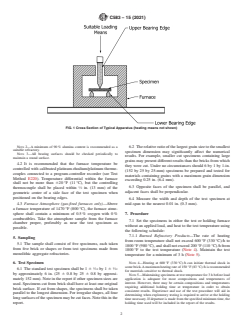
FIG. 1 Cross Section of Typical Apparatus (heating means not shown)
NOTE 2—A minimum of 90 % alumina content is recommended as a
6.2 The relative ratio of the largest grain size to the smallest
suitable refractory.
specimen dimension may significantly affect the numerical
NOTE 3—All bearing surfaces should be checked periodically to
results. For example, smaller cut specimens containing large
maintain a round surface.
grains may present different results than the bricks from which
4.2 It is recommended that the furnace temperature be
they were cut. Under no circumstances should 6 by 1 by 1-in.
controlled with calibrated platinum-rhodium/platinum thermo-
(152 by 25 by 25-mm) specimens be prepared and tested for
couples connected to a program-controller recorder (see Test
materials containing grains with a maximum grain dimension
Method E220). Temperature differential within the furnace
exceeding 0.25 in. (6.4 mm).
shall not be more than 620 °F (11 °C), but the controlling
6.3 Opposite faces of the specimen shall be parallel, and
thermocouple shall be placed within ⁄2 in. (13 mm) of the
adjacent faces shall be perpendicular.
geometric center of a side face of the test specimen when
positioned on the bearing edges.
6.4 Measure the width and depth of the test specimen at
4.3 Furnace Atmosphere (gas-fired furnaces only)—Above mid-span to the nearest 0.01 in. (0.3 mm).
a furnace temperature of 1470 °F (800 °C), the furnace atmo-
sphere shall contain a minimum of 0.5 % oxygen with 0 % 7. Procedure
combustibles. Take the atmosphere sample from the furnace
7.1 Set the specimens in either the test or holding furnace
chamber proper, preferably as near the test specimen as
without an applied load, and heat to the test temperature using
possible.
the following schedule:
7.1.1 Burned Refractory Products—The rate of heating
5. Sampling
from room temperature shall not exceed 600 °F (330 °C)⁄h to
5.1 The sample shall consist of five specimens, each taken
1800 °F (980 °C), and shall not exceed 200 °F (110 °C)⁄h from
from five brick or shapes or from test specimens made from
1800 °F to the test temperature (Note 4). Maintain the test
monolithic aggregate refractories.
temperature for a minimum of3h(Note 5).
6. Test Specimen NOTE 4—Heating at 600 °F (330 °C) ⁄h can initiate thermal shock in
some brick.Amaximum heating rate of 150 °F (83 °C) ⁄h is recommended
1 1
6.1 The standard test specimen shall be 1 6 ⁄32 by 1 6 ⁄32
for materials sensitive to thermal shock.
by approximately 6 in. (25 6 0.8 by 25 6 0.8 by approxi-
NOTE 5—Maintaining specimens at test temperature for 3 h before
...