

ASTM D4338-97(2021)
(Test Method)Standard Test Method for Flexibility Determination of Supported Adhesive Films by Mandrel Bend
General Information
- Abstract
SIGNIFICANCE AND USE
5.1 The mandrel bend test is simple and fast. It requires little investment in equipment and little operator training. The prime purpose is to determine whether a film of adhesive coated on a substrate meets flexibility requirements. The test is also useful for comparing flexibility of adhesives. It can be used to design adhesives by comparing the flexibility of various formulations to meet specific end-use parameters. The adhesive flexibility can be determined at temperatures other than ambient by conditioning the test apparatus and test specimen at the desired temperature and performing the test under those conditions.
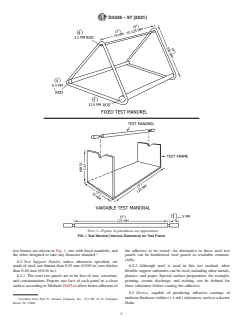
FIG. 1 Test Mandrel (Various Diameters) for Test Frame
Note 1: Figures in parentheses are approximate.
SCOPE
1.1 This test method covers the determination of the flexibility of an adhesive film bonded to a flexible substrate. The results are useful for comparing flexibility of adhesives and not for absolute characterization of adhesives.
1.2 The values stated in SI units are to be regarded as the standard. The values given in parentheses are provided for information purposes only.
1.3 This standard does not purport to address all of the safety concerns, if any, associated with its use. It is the responsibility of the user of this standard to establish appropriate safety, health, and environmental practices and determine the applicability of regulatory limitations prior to use.
1.4 This international standard was developed in accordance with internationally recognized principles on standardization established in the Decision on Principles for the Development of International Standards, Guides and Recommendations issued by the World Trade Organization Technical Barriers to Trade (TBT) Committee.
- Status
- Published
- Publication Date
- 31-Mar-2021
- Technical Committee
- D14 - Adhesives
- Drafting Committee
- D14.10 - Working Properties

Overview
ASTM D4338-97(2021) - Standard Test Method for Flexibility Determination of Supported Adhesive Films by Mandrel Bend specifies procedures for evaluating the flexibility of adhesive films coated on flexible substrates. Developed by ASTM International, this standard provides a simple, rapid, and cost-effective approach to assess whether an adhesive-coated film meets specific flexibility requirements, or to compare the flexibility of multiple adhesive formulations. The method utilizes a mandrel bend test to determine the minimum diameter over which an adhesive can be bent without visible failure.
Designed for general application across industries working with flexible adhesives, this test method is widely recognized for its efficiency and minimal equipment needs. The guidance and significance of this standard are aligned with internationally recognized standardization principles, making it suitable for global operations.
Key Topics
- Test Principle: The adhesive film, bonded to a flexible substrate, is bent over cylindrical rods (mandrels) of progressively smaller diameters. The smallest mandrel over which the film can be bent without cracking or failure determines its flexibility.
- Apparatus: Requires a series of cylindrical mandrels (typically made of brass or stainless steel), test support panels (commonly steel, but plastics and paper can also be used), and a device to ensure uniform adhesive coating thickness.
- Preparation and Conditioning:
- Substrate panels are cleaned and prepared as specified, with adhesive applied uniformly using a doctor blade or other mutually acceptable method.
- Both the specimen and test apparatus are conditioned at controlled temperature and humidity before testing.
- Procedure:
- Begin testing with the largest mandrel. If no failure occurs, proceed to the next smaller diameter, using a fresh specimen for each test.
- Failures are defined as cracks, fractures, or crazing visible to the naked eye.
- The final flexibility value is recorded as the smallest diameter mandrel on which four out of five specimens do not fail.
- Reporting: Includes full material identification, test specimen preparation method, coating and substrate dimensions, conditioning conditions, and observed failures.
Applications
The ASTM D4338 test method is widely used in:
- Adhesive Product Development: Comparing the flexibility of different adhesive formulations to meet specific application needs, such as packaging, labels, or flexible electronics.
- Quality Control: Verifying that adhesive-coated films meet product or regulatory flexibility requirements during manufacturing.
- Performance Benchmarking: Performing comparative testing between different adhesives or evaluating flexibility at varied temperatures to ensure suitability for diverse end-use environments.
- Material Selection: Assisting engineers and product designers in selecting appropriate adhesives for substrates that require a specified degree of bendability or flex endurance.
By following ASTM D4338, organizations can ensure consistent, reliable assessment of adhesive film flexibility with minimal investment in specialized equipment or operator training.
Related Standards
- ASTM D609 – Practice for Preparation of Cold-Rolled Steel Panels for Testing Paint, Varnish, Conversion Coatings, and Related Products
- ASTM D907 – Terminology of Adhesives
- ASTM D3111 – Practice for Flexibility Determination of Hot-Melt Adhesives by Mandrel Bend Test
- ASTM E171 – Practice for Conditioning and Testing Flexible Barrier Packaging
These referenced standards provide essential guidance for substrate preparation, terminology clarification, alternative flexibility test methods, and conditioning protocols, enhancing the reliability and applicability of the ASTM D4338 methodology.
Keywords: ASTM D4338, adhesive flexibility test, mandrel bend, supported adhesive films, coating flexibility, adhesive testing, material standards, quality control.
Relations
- Effective Date
- 01-Apr-2019
- Effective Date
- 15-Dec-2018
- Effective Date
- 01-Jul-2012
- Effective Date
- 01-Jun-2012
- Effective Date
- 01-May-2012
- Effective Date
- 01-Dec-2011
- Effective Date
- 01-Jan-2011
- Effective Date
- 01-Oct-2010
- Effective Date
- 01-Oct-2008
- Effective Date
- 15-Aug-2008
- Effective Date
- 01-Mar-2008
- Effective Date
- 01-Apr-2007
- Effective Date
- 01-Dec-2006
- Effective Date
- 01-Nov-2006
- Effective Date
- 01-Apr-2005
Get Certified
Connect with accredited certification bodies for this standard

DIN CERTCO
DIN Group product certification.

Smithers Quality Assessments
US management systems and product certification.
Sponsored listings
Frequently Asked Questions
ASTM D4338-97(2021) is a standard published by ASTM International. Its full title is "Standard Test Method for Flexibility Determination of Supported Adhesive Films by Mandrel Bend". This standard covers: SIGNIFICANCE AND USE 5.1 The mandrel bend test is simple and fast. It requires little investment in equipment and little operator training. The prime purpose is to determine whether a film of adhesive coated on a substrate meets flexibility requirements. The test is also useful for comparing flexibility of adhesives. It can be used to design adhesives by comparing the flexibility of various formulations to meet specific end-use parameters. The adhesive flexibility can be determined at temperatures other than ambient by conditioning the test apparatus and test specimen at the desired temperature and performing the test under those conditions. FIG. 1 Test Mandrel (Various Diameters) for Test Frame Note 1: Figures in parentheses are approximate. SCOPE 1.1 This test method covers the determination of the flexibility of an adhesive film bonded to a flexible substrate. The results are useful for comparing flexibility of adhesives and not for absolute characterization of adhesives. 1.2 The values stated in SI units are to be regarded as the standard. The values given in parentheses are provided for information purposes only. 1.3 This standard does not purport to address all of the safety concerns, if any, associated with its use. It is the responsibility of the user of this standard to establish appropriate safety, health, and environmental practices and determine the applicability of regulatory limitations prior to use. 1.4 This international standard was developed in accordance with internationally recognized principles on standardization established in the Decision on Principles for the Development of International Standards, Guides and Recommendations issued by the World Trade Organization Technical Barriers to Trade (TBT) Committee.
SIGNIFICANCE AND USE 5.1 The mandrel bend test is simple and fast. It requires little investment in equipment and little operator training. The prime purpose is to determine whether a film of adhesive coated on a substrate meets flexibility requirements. The test is also useful for comparing flexibility of adhesives. It can be used to design adhesives by comparing the flexibility of various formulations to meet specific end-use parameters. The adhesive flexibility can be determined at temperatures other than ambient by conditioning the test apparatus and test specimen at the desired temperature and performing the test under those conditions. FIG. 1 Test Mandrel (Various Diameters) for Test Frame Note 1: Figures in parentheses are approximate. SCOPE 1.1 This test method covers the determination of the flexibility of an adhesive film bonded to a flexible substrate. The results are useful for comparing flexibility of adhesives and not for absolute characterization of adhesives. 1.2 The values stated in SI units are to be regarded as the standard. The values given in parentheses are provided for information purposes only. 1.3 This standard does not purport to address all of the safety concerns, if any, associated with its use. It is the responsibility of the user of this standard to establish appropriate safety, health, and environmental practices and determine the applicability of regulatory limitations prior to use. 1.4 This international standard was developed in accordance with internationally recognized principles on standardization established in the Decision on Principles for the Development of International Standards, Guides and Recommendations issued by the World Trade Organization Technical Barriers to Trade (TBT) Committee.
ASTM D4338-97(2021) is classified under the following ICS (International Classification for Standards) categories: 83.180 - Adhesives. The ICS classification helps identify the subject area and facilitates finding related standards.
ASTM D4338-97(2021) has the following relationships with other standards: It is inter standard links to ASTM D3111-19, ASTM D3111-10(2018), ASTM D907-12a, ASTM D609-00(2012), ASTM D907-12, ASTM D907-11a, ASTM D907-11, ASTM D3111-10, ASTM D907-08b, ASTM D907-08a, ASTM D907-08, ASTM E171-94(2007), ASTM D907-06, ASTM D609-00(2006), ASTM D907-05. Understanding these relationships helps ensure you are using the most current and applicable version of the standard.
ASTM D4338-97(2021) is available in PDF format for immediate download after purchase. The document can be added to your cart and obtained through the secure checkout process. Digital delivery ensures instant access to the complete standard document.
Standards Content (Sample)
This international standard was developed in accordance with internationally recognized principles on standardization established in the Decision on Principles for the
Development of International Standards, Guides and Recommendations issued by the World Trade Organization Technical Barriers to Trade (TBT) Committee.
Designation: D4338 − 97 (Reapproved 2021)
Standard Test Method for
Flexibility Determination of Supported Adhesive Films by
Mandrel Bend
This standard is issued under the fixed designation D4338; the number immediately following the designation indicates the year of
original adoption or, in the case of revision, the year of last revision. A number in parentheses indicates the year of last reapproval. A
superscript epsilon (´) indicates an editorial change since the last revision or reapproval.
This standard has been approved for use by agencies of the U.S. Department of Defense.
1. Scope E171 Practice for Conditioning and Testing Flexible Barrier
Packaging
1.1 This test method covers the determination of the flex-
ibility of an adhesive film bonded to a flexible substrate. The
3. Terminology
results are useful for comparing flexibility of adhesives and not
3.1 Definitions—For terms used in this standard, refer to
for absolute characterization of adhesives.
Terminology D907.
1.2 The values stated in SI units are to be regarded as the
3.2 Definitions of Terms Specific to This Standard:
standard. The values given in parentheses are provided for
3.2.1 mandrel, n—cylindrical rod.
information purposes only.
1.3 This standard does not purport to address all of the
4. Summary of Test Method
safety concerns, if any, associated with its use. It is the
4.1 Atest substrate coated with a film of adhesive, properly
responsibility of the user of this standard to establish appro-
sized and conditioned, is folded to form an inverted U-shaped
priate safety, health, and environmental practices and deter-
angle over the mandrel maintaining intimate contact with the
mine the applicability of regulatory limitations prior to use.
non-adhesive side. Using a fresh specimen for each test, the
1.4 This international standard was developed in accor-
test is repeated with progressively smaller diameter mandrels
dance with internationally recognized principles on standard-
until the adhesive fails (cracks) on bending. The flexibility
ization established in the Decision on Principles for the
value of the adhesive is the smallest diameter mandrel over
Development of International Standards, Guides and Recom-
which four out of five test specimens do not break.
mendations issued by the World Trade Organization Technical
Barriers to Trade (TBT) Committee.
5. Significance and Use
5.1 Themandrelbendtestissimpleandfast.Itrequireslittle
2. Referenced Documents
investment in equipment and little operator training.The prime
2.1 ASTM Standards:
purpose is to determine whether a film of adhesive coated on a
D609 Practice for Preparation of Cold-Rolled Steel Panels
substrate meets flexibility requirements. The test is also useful
for Testing Paint, Varnish, Conversion Coatings, and
for comparing flexibility of adhesives. It can be used to design
Related Coating Products
adhesives by comparing the flexibility of various formulations
D907 Terminology of Adhesives
to meet specific end-use parameters. The adhesive flexibility
D3111 Practice for Flexibility Determination of Hot-Melt
can be determined at temperatures other than ambient by
Adhesives by Mandrel Bend Test
conditioning the test apparatus and test specimen at the desired
temperature and performing the test under those conditions.
This test method is under the jurisdiction of ASTM Committee D14 on
6. Apparatus
Adhesives and is the direct responsibility of Subcommittee D14.10 on Working
6.1 The test apparatus consists of a series of different
Properties.
Current edition approved April 1, 2021. Published April 2021. Originally
diameter cylindrical rods or mandrels supported at each end.
approved in 1984. Last previous edition approved in 2016 as D4338 – 97 (2016).
These should be long enough to permit placement of the flat
DOI: 10.1520/D4338-97R21.
side of a test specimen tangentially at right angles to the
This test method is intended to replace Method 1081 of Federal Test
longitudinal axis of the test mandrel. Individual requirements
Method 175A.Available from DLADocument Services, Building 4/D, 700 Robbins
Ave., Philadelphia, PA 19111-5094, http://quicksearch.dla.mil.
determine the diameter and lengths of the rods needed. For
For referenced ASTM standards, visit the ASTM website, www.astm.org, or
1 1
most tests, rods 3.2 mm ( ⁄8 in.), 6.4 mm ( ⁄4 in.), and 12.8 mm
contact ASTM Customer Service at service@astm.org. For Annual Book of ASTM
( ⁄2 in.) in diameter, by 75 to 150 mm (3 to 6 in.) in length,
Standards volume information, refer to the standard’s Document Summary page on
the ASTM website. made of brass or stainless steel, are satisfactory. Two simple
Copyright © ASTM International, 100 Barr Harbor Drive, PO Box C700, West Conshohocken, PA 19428-2959. United States
D4338 − 97 (2021)
NOTE 1—Figures in parentheses are approximate.
FIG. 1 Test Mandrel (Various Diameters) for Test Frame
test frames are shown in Fig. 1, one with fixed mandrels, and the adhesive to be tested. An alternative to these steel test
the other designed to take any diameter mandrel. panels can be bonderized steel panels as available commer-
cially.
6.2 Test Support Panels, unless otherwise specified, are
6.2.2 Although steel is used in this test method, other
made of steel, not thinner than 0.25 mm (0.010 in.) nor thicker
flexible support substrates can be used, including other metals,
than 0.40 mm (0.016 in.).
plastics, and paper. Special surface preparation, for example,
6.2.1 The steel test panels are to be free of rust, corrosion,
and contamination. Prepare one face of each panel to a clean priming, corona discharge, and etching, can be defined for
surface according to Methods D609
...