


June 2026: New Standard Enhances Markings for Railway Vehicles
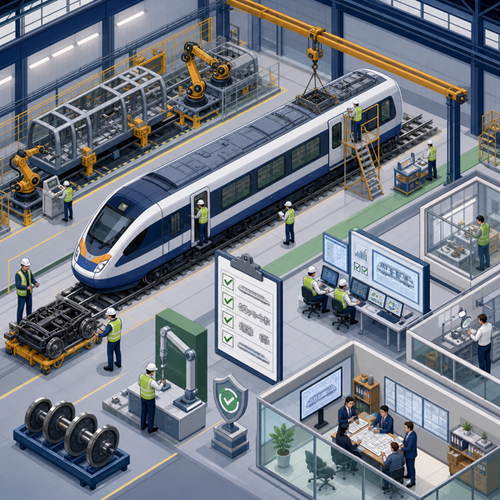
In June 2026, a significant new standard was published for the railway engineering sector: FprEN 15877-2: Railway applications – Markings of railway vehicles – Part 2: External markings on coaches, traction units and railbound machines. This update reflects the industry's ongoing drive to improve safety, transparency, and interoperability for passenger and engineering rolling stock across Europe and beyond. Covering the essential requirements for external markings, this standard is set to influence operators, manufacturers, and maintenance entities involved with heavy rail vehicles.
Overview / Introduction
Modern railway systems depend heavily on clear, standardized communication—both for operational efficiency and safety. External markings on railway vehicles play a central role in ensuring that essential technical and safety information is universally recognizable by staff across countries and network operators. As platforms, routes, and rolling stock become increasingly interoperable throughout Europe, updated marking standards like FprEN 15877-2 are critical to harmonizing practices, reducing ambiguity, and supporting compliance with European and international railway directives.
In this article, you will:
- Discover the scope, requirements, and innovations within the new FprEN 15877-2 standard
- Understand who must comply and why adherence is vital
- Gain insight into practical implementation and compliance impacts
- Learn best practices for technical integration and audit readiness
Detailed Standards Coverage
FprEN 15877-2 – External Markings for Coaches, Traction Units, and Railbound Machines
Railway applications – Markings of railway vehicles – Part 2: External markings on coaches, traction units and railbound machines
Scope and Coverage:
This comprehensive CEN standard defines the specifications for external markings applied to heavy rail rolling stock (excluding freight wagons and road-rail vehicles). It addresses technical and operational markings on coaches, powered units such as locomotives, and specialized railbound construction and maintenance machinery. The standard does not regulate passenger service information markings, focusing instead on critical safety, identification, and operational data essential for railway personnel.
Key Requirements and Specifications:
- Marking Types: Including vehicle numbers, axle information, braking system details, gauge and clearance outlines, mass and loadings, hazard warnings (such as electrical hazards), maintenance schedules, and safety signage
- Design and Presentation: Strict guidelines for the shape, color schemes (referencing ISO and EN graphical symbol standards), font types (non-italic, sans serif like Univers 67 or Helvetica), and minimum text sizes
- Positioning: Each marking type has mandated physical positions on the vehicle body to maximize visibility and avoid interference with other information (e.g., below 2 meters, not obstructed by advertising or design graphics)
- Durability: Requirements ensure that markings remain legible and intact for at least six years, withstanding temperature extremes from -40°C to +90°C as well as exposure to cleaning agents and outdoor weather
- Contrast and Legibility: Specifications for adequate contrast between markings and background using light reflectance values, including the use of contrasting frames where needed
- International Compliance: Aligns with EU Technical Specifications for Interoperability (TSIs) and OTIF regulations for international rail carriage
- Marking Examples and Tables: Includes detailed diagrams, marking tables, and example layouts for commonly required inscriptions, reflecting both mandatory and conditional requirements for varied vehicle types
Target Audience for Compliance:
- Rolling stock manufacturers (coaches, locomotives, powered units)
- Railway operating companies
- Entities in charge of maintenance (ECMs)
- System integrators and procurement specialists
- National and international rail safety authorities
Practical Implications:
- Simplifies cross-border operations and rolling stock identification
- Streamlines maintenance and safety auditing
- Ensures uniform hazard communication for staff and emergency responders
Notable Changes from Previous Versions:
- Updated normative references and alignment with latest European and ISO standards
- Restructured content for ease of reference and implementation
- Introduction of new marking types, revised figures, and expanded marking tables
- Enhanced guidance for color application and marking durability
- Removal of obsolete/unused markings
- Revision of maintenance and safety symbol requirements
Key highlights:
- Standardizes EVN (European Vehicle Number) formatting and placement for maximum clarity
- Outlines technical marking requirements for all major safety and operational aspects on passenger and powered vehicles
- Defines durability, positioning, and contrast requirements to ensure markings are visible, readable, and long-lasting in rail environments
Access the full standard:View FprEN 15877-2 on iTeh Standards
Industry Impact & Compliance
Broad Impact on Railway Operations
With the adoption of FprEN 15877-2, railway operators, manufacturers, and maintenance authorities gain a unified approach to the external marking of passenger vehicles and engineering units. This brings:
- Operational Efficiency: Standardized markings enhance workflow for railway and depot staff, minimizing delays or confusion during operations and handovers
- Regulatory Compliance: The standard closely tracks European legislation and international conventions (such as TSI and OTIF), helping organizations meet legal requirements for rolling stock identification and safety communication
- Interoperability: Clear, harmonized markings support cross-border services, especially for large operators active across multiple countries
- Inspection and Safety: Facilitates efficient safety checks, by ensuring data such as brake types, weights, and hazard information are readily accessible and unambiguous
Compliance Considerations and Timelines
- Mandatory for New Rolling Stock: Vehicles placed into service after the standard’s effective date must comply fully
- Transition for Existing Units: Rolling stock previously compliant with earlier EN 15877-2 should be reviewed and updated to address new marking requirements as part of scheduled maintenance or refurbishment
- Audit and Certification Impact: Many entities in charge of maintenance (ECMs) and operators are subject to regular audits—compliance with FprEN 15877-2 will be a critical criterion in these reviews
Risks of Non-Compliance:
- Increased safety risks due to missing or unclear hazard markings
- Operational delays caused by misidentification of vehicles and components
- Potential regulatory penalties or loss of certification for non-adherent operators
Benefits of Proactive Adoption:
- Enhanced staff safety and confidence
- Streamlined training and onboarding for new operators
- Reduced costs related to re-marking or accident investigation
Technical Insights
Common Technical Requirements:
- Use of standardized Latin alphabets and Arabic numerals
- Minimum text heights for critical data (e.g., EVN and braking details)
- Adherence to color and contrast specifications for different backgrounds/materials
- Robust material requirements to ensure markings withstand cleaning and weathering
- Defined positional rules for every marking type, referencing detailed diagrams for uniformity
Implementation Best Practices:
- Audit Existing Markings: Catalog all current vehicle markings; identify gaps or non-conformities with the new standard
- Coordinate with National Bodies: Work with local and regional rail authorities to ensure interpretations align with country-specific applications
- Material Selection: Use high-contrast, durable materials and approved fonts to meet lifetime and readability requirements
- Staff Training: Ensure all design, procurement, and maintenance teams are trained on the new marking requirements and positional diagrams
- Routine Inspections: Integrate marking checks into safety and routine maintenance processes to ensure ongoing compliance
Testing and Certification Considerations:
- Markings must be tested for reflectance, durability, and readability under operational conditions
- Ensure third-party certification (where applicable) of marking materials and signage
- Maintain detailed marking records for audit purposes
Conclusion / Next Steps
The June 2026 release of FprEN 15877-2 marks a major step forward in harmonizing external markings for railway coaches, traction units, and railbound engineering machines. Adopting these requirements is crucial for safe, efficient, and compliant railway operations in Europe and internationally. Organizations should:
- Review current vehicles and update markings as needed
- Train their staff on the new requirements
- Integrate marking compliance into procurement, design, and maintenance workflows
- Monitor further updates or national guidance amendments
For detailed implementation guidance and to ensure your operations are up to date, explore the full FprEN 15877-2 document on the iTeh Standards platform. Staying informed and compliant not only meets regulatory demands—but safeguards your operations and staff for the future.
Explore the most up-to-date railway engineering standards and more:Visit iTeh Standards
Categories
- Latest News
- New Arrivals
- Generalities
- Services and Management
- Natural Sciences
- Health Care
- Environment
- Metrology and Measurement
- Testing
- Mechanical Systems
- Fluid Systems
- Manufacturing
- Energy and Heat
- Electrical Engineering
- Electronics
- Telecommunications
- Information Technology
- Image Technology
- Precision Mechanics
- Road Vehicles
- Railway Engineering
- Shipbuilding
- Aircraft and Space
- Materials Handling
- Packaging
- Textile and Leather
- Clothing
- Agriculture
- Food technology
- Chemical Technology
- Mining and Minerals
- Petroleum
- Metallurgy
- Wood technology
- Glass and Ceramics
- Rubber and Plastics
- Paper Technology
- Paint Industries
- Construction
- Civil Engineering
- Military Engineering
- Entertainment