


Environment Standards Summary – October 2025 (Part 2)
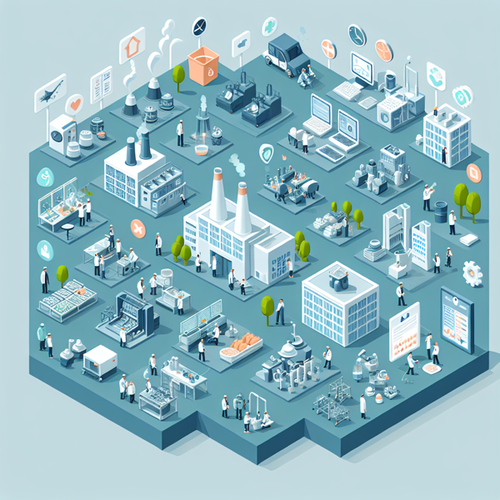
Looking back at October 2025, the Environment sector saw the publication of five notable standards spanning climate resilience in water systems, electrical safety for advanced household appliances, foundational fire alarm definitions, and strategic civil engineering links to global sustainability goals. For industry professionals—quality managers, compliance officers, and engineers—this monthly overview provides critical analysis to help prioritize compliance, align with best practices, and anticipate evolving sector requirements. By examining patterns, implementation guidance, and industry direction, this summary ensures that practitioners stay informed and prepared.
Monthly Overview: October 2025
October 2025 marked a period of robust standardization in the Environment sector, with new and revised documents reflecting the industry’s multifaceted focus on safety, sustainability, and climate change resilience. Notably, the month’s publications included:
- A significant advancement in climate adaptation guidance for drinking water services.
- A major revision in the safety of laser-based beauty care devices for households and salons.
- The foundational definitions for fire detection and alarm systems.
- An analytical technical report connecting civil engineering works to Sustainable Development Goals.
In comparison to earlier publication periods, October 2025 emphasized holistic approaches to risk—balancing technical safety (product, systemic, and operational) with macro-level contributions (sustainability, climate adaptation, public health). The breadth of topics underlines the sector’s direction toward integrated, future-resilient practices and cross-disciplinary regulatory reference points—particularly as climate policy, technological advances, and sustainable construction accelerate.
Standards Published This Month
ISO 24566-3:2025 – Adaptation of Water Services to Climate Change Impacts – Part 3: Drinking Water Services
Drinking water, wastewater and stormwater systems and services – Adaptation of water services to climate change impacts – Part 3: Drinking water services
This standard provides comprehensive guidance for identifying, assessing, and addressing climate change impacts on municipal and regional drinking water services. Rooted in the assessment principles of ISO 24566-1, it details methodologies to evaluate vulnerabilities, system risks (current and future), and the strategic development of adaptation pathways. Practical templates for response actions, case-based adaptation examples, and structured approaches to governance, financing, and risk management are included.
Applicable to utility operators, municipal/regional authorities, consultants, and planners, this document is framed for those involved in long-term drinking water infrastructure management and climate adaptation planning. It aligns closely with ISO 14091’s risk assessment guidance, embedding adaptation into operational, policy, and asset management processes.
Key highlights:
- Systematic assessment of climate hazards, vulnerabilities, and operational risks for drinking water.
- Structured development and review of adaptation strategies, including financial planning and cost-benefit analysis.
- Practical tools, response templates, and example–based learning from real-world case responses.
Access the full standard:View ISO 24566-3:2025 on iTeh Standards
IEC 60335-2-113:2025 – Safety for Beauty Care Appliances with Lasers and Intense Light Sources
Household and similar electrical appliances – Safety – Part 2-113: Particular requirements for beauty care appliances incorporating lasers and intense light sources
This technically revised edition sets the global safety requirements for beauty care appliances that use lasers or intense light sources (ILS), such as at-home devices for hair removal or salon-grade equipment for skin therapy. It is applicable to appliances operating at a rated voltage of up to 250V and covers both home and semi-professional (salon) use. Importantly, it addresses not only electrical and mechanical hazards, but also risks related to optical radiation and accessible surface temperatures.
Among the standard’s substantial updates:
- Alignment with the latest IEC 60335-1:2020 requirements;
- Conversion of notes to normative (required) text, enhancing enforceability;
- Stronger instructions and warnings about use by/with children;
- Clarified requirements for salon-only professional use;
- Updated references for evaluation of stray radiation;
- Enhanced requirements for battery-operated appliances;
- Stricter power supply and temperature limit provisions.
Intended users include manufacturers of home-use and salon beauty devices, third-party certifiers, product safety authorities, and retailers aiming to verify compliance before market entry.
Key highlights:
- Comprehensive coverage of risks: electrical, mechanical, thermal, and radiation hazards.
- Professional/salon-specific requirements and new warnings to prevent child misuse.
- Expanded battery and power supply requirements reflecting technology advances since 2016.
Access the full standard:View IEC 60335-2-113:2025 on iTeh Standards
ISO 7240-1:2025 – Fire Detection and Alarm Systems – General and Definitions
Fire detection and alarm systems – Part 1: General and definitions
ISO 7240-1:2025 is the cornerstone for terminology and functional definitions across the entire ISO 7240 fire detection and alarm system series. This fourth edition brings definitions into alignment with evolving international best practice, consolidating and clarifying critical concepts such as access levels, device addressability, detection and alarm signaling, and system compatibility. It reflects current industry understanding, ensuring semantic consistency for specs, procurement, and compliance.
This document is essential for:
- System designers/integrators,
- Installers,
- Quality/compliance managers,
- Auditors,
- Regulators specifying, assessing, or certifying FDAS installations and maintenance.
Key highlights:
- Overhauled definitions for emerging device types, system functions, and access models.
- Enhanced clarity to facilitate harmonization with related standards (including EN 54-1:2021).
- Foundation for all subsequent FDAS standard parts, ensuring project consistency and regulatory acceptance.
Access the full standard:View ISO 7240-1:2025 on iTeh Standards
CEN ISO/TR 7016:2025 – Civil Engineering Sustainability and SDG Connections
Connection between the contributions of civil engineering works to sustainability and achievement of the Sustainable Development Goals (ISO/TR 7016:2025)
This technical report provides a critical resource for policy makers, engineers, and sustainability officers by mapping civil engineering performance indicators (as defined in EN 17472 and ISO 21928-2) to the United Nations’ Sustainable Development Goals (SDGs). CEN ISO/TR 7016:2025 serves as a guidance and communication tool, clarifying how infrastructure projects can be measured not just for their technical attributes, but for their contributions to economic, environmental, and social SDGs.
Key components include:
- Cross-referencing of environmental, social, and economic indicators with all 17 SDGs and related targets.
- Guidance for communicating the SDG-related impacts and co-benefits of civil engineering projects.
- Framing for alignment in sustainability reporting, procurement, and project evaluation at both organizational and governmental levels.
The report does not stipulate new assessment criteria, but rather integrates and clarifies existing frameworks for measurable SDG advancement.
Key highlights:
- Multi-dimensional, indicator-driven linkage between civil engineering and SDGs.
- Usable framework for sustainability communication to stakeholders and regulators.
- Supports alignment with institutional, corporate, and governmental SDG strategies.
Access the full standard:View CEN ISO/TR 7016:2025 on iTeh Standards
Common Themes and Industry Trends
A review of October 2025’s standards reveals several overarching patterns:
- Climate Change Adaptation and Resilience: ISO 24566-3:2025 underscores the sector’s increasing focus on systematic, technical responses to climate risk—anticipating regulatory shifts and insurer/financier expectations.
- Safety Amid Technological Innovation: With the new edition of IEC 60335-2-113:2025, the sector responds to the proliferation of advanced consumer devices (especially those with novel risks like lasers/ILS) by strengthening user and public protection.
- Foundational System Integration: The update of ISO 7240-1:2025 demonstrates an ongoing trend toward harmonizing global fire safety practices and reducing terminology confusion in cross-jurisdictional projects.
- Sustainability and Global Frameworks: CEN ISO/TR 7016:2025 reflects a sector-wide move toward embedding sustainability in the DNA of major infrastructure and procurement initiatives—going beyond compliance to demonstrate positive societal impact within the SDG context.
Construction, water utilities, consumer electronics, and public health protection were at the fore, with strong cross-linkages between sustainability, resilience, and safety regulatory needs.
Compliance and Implementation Considerations
For organizations affected by these publications, proactive steps are strongly recommended:
- Gap Analysis:
- Review existing policies, risk management procedures, and technical specifications against new/revised standard requirements.
- Prioritization:
- Focus on high-impact areas (e.g., climate risk for drinking water operators, product safety for device manufacturers, SDG disclosure for large civil engineering/infrastructure projects).
- Implementation Planning:
- Leverage provided templates, assessment protocols, and indicator frameworks. Align project teams early, especially for multi-disciplinary/complex initiatives.
- Training & Awareness:
- Update training, instructions, and user documentation—particularly for new technical terms, risk warnings (as per IEC 60335-2-113:2025), and climate adaptation procedures.
- Timeline:
- Note standard-specific adoption recommendations (e.g., IEC’s suggestion for 12–36 month transition periods) and align with regulatory/market entry deadlines.
- Resource Utilization:
- Engage with technical documentation, case study annexes, and supplementary resources via the iTeh Standards portal for full access and ongoing support.
Conclusion: Key Takeaways from October 2025
The Environment standards published in October 2025 provide a cohesive, future-ready framework addressing the next generation of challenges in climate adaptation, safety assurance, and sustainability alignment:
- ISO 24566-3:2025 leads sector resilience, offering actionable adaptation pathways for water utilities and municipalities.
- IEC 60335-2-113:2025 strengthens global consumer and professional safety in a rapidly evolving device market.
- ISO 7240-1:2025 anchors fire safety projects with unambiguous, harmonized terminology.
- CEN ISO/TR 7016:2025 enables infrastructure and engineering organizations to evidence SDG alignment in tangible, measurable terms.
Professionals are encouraged to delve into these standards, update compliance matrices, and integrate the latest requirements into organizational systems and supplier specifications. Staying abreast of these changes ensures not only legal compliance, but also strategic advantage as safety, sustainability, and climate resilience continue to dominate sector priorities.
For detailed content, guidance, and full access to these essential standards, visit iTeh Standards and explore the links provided above.
Categories
- Latest News
- New Arrivals
- Generalities
- Services and Management
- Natural Sciences
- Health Care
- Environment
- Metrology and Measurement
- Testing
- Mechanical Systems
- Fluid Systems
- Manufacturing
- Energy and Heat
- Electrical Engineering
- Electronics
- Telecommunications
- Information Technology
- Image Technology
- Precision Mechanics
- Road Vehicles
- Railway Engineering
- Shipbuilding
- Aircraft and Space
- Materials Handling
- Packaging
- Textile and Leather
- Clothing
- Agriculture
- Food technology
- Chemical Technology
- Mining and Minerals
- Petroleum
- Metallurgy
- Wood technology
- Glass and Ceramics
- Rubber and Plastics
- Paper Technology
- Paint Industries
- Construction
- Civil Engineering
- Military Engineering
- Entertainment