


Water Safety and Quality: Key Standards for Outdoor and Water Sports Equipment
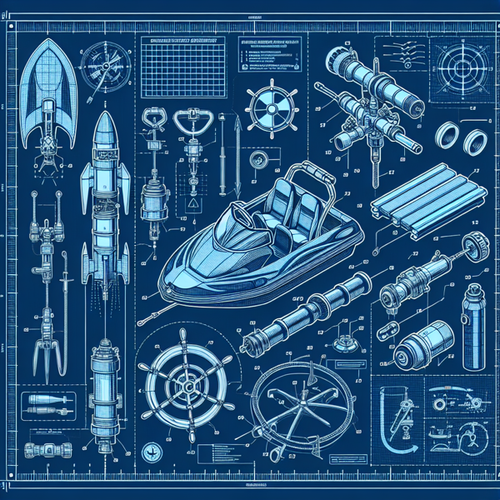
Ensuring safety and performance in outdoor and water sports equipment is more critical than ever. As the popularity of water-based leisure grows and technology introduces innovative new products, international standards play a vital role in protecting users, supporting manufacturers, and enabling robust market growth. In this guide, we explore four key standards that shape the future of floating leisure articles and water sports equipment—addressing everything from material requirements and testing to consumer information and advanced safety specifications. These standards are not just regulatory necessities; they are essential tools for enhancing productivity, security, scalability, and public confidence in recreational water products.
Overview / Introduction
The outdoor and water sports equipment industry has witnessed transformative changes in recent years. The infusion of advanced materials, smart features, and customization options brings both excitement and new responsibilities. Whether supplying inflatable islands for family fun, designing towable banana boats, or developing floating platforms for leisure parks, ensuring safety, reliability, and user understanding is paramount.
International standards like SIST EN ISO 25649 series offer clear, consensus-driven guidelines on classification, materials, manufacturing requirements, consumer communication, and product-specific safety measures. These standards support:
- Manufacturers seeking entry into diverse markets
- Operators wishing to minimize liability and maximize customer satisfaction
- Consumers demanding safe, high-quality recreational experiences
From understanding product categories to implementing robust test methods, this article guides you through each standard and illustrates why compliance is an essential competitive advantage.
Detailed Standards Coverage
SIST EN ISO 25649-1:2025 – The Foundation: Classification, Materials, General Requirements, and Test Methods
Floating leisure articles for use on and in the water — Part 1: Classification, materials, general requirements and test methods (ISO 25649-1:2024)
This foundational standard sets the scene for all floating leisure articles, such as inflatable lounges, giant tubes, platforms, and sun beds. It defines product classifications—clearly separating leisure equipment from aquatic toys, inflatable boats, buoyant swimming aids, and similar products not intended primarily as floating leisure devices. It details:
- Product definitions and intended uses
- Classification criteria (e.g., size, buoyancy limits)
- Safety requirements: body entrapment prevention, stability, load capacities
- Thorough testing protocols (e.g., material resistance, air tightness, pressure retention, puncture resistance)
- Design criteria for mechanical, physical, and chemical properties
Businesses benefit from clear, repeatable test methods to demonstrate product conformity and gain market approval. The standard aligns with the European General Product Safety Directive, offering a presumption of legal compliance when followed.
Key highlights:
- Comprehensive product classification and exclusion list (e.g., excludes surfboards, water skis, rigid devices)
- Rigorous human subject testing for safety and usability
- Demanding material performance: chemical resistance, durability, mechanical integrity
Access the full standard:View SIST EN ISO 25649-1:2025 on iTeh Standards
SIST EN ISO 25649-2:2025 – Empowering Consumers: Information and Labelling
Floating leisure articles for use on and in the water — Part 2: Consumer information (ISO 25649-2:2024)
Building on the basic safety requirements, this standard mandates how critical consumer information must be provided. Adequate labelling ensures users—especially swimmers—are aware of safety risks and proper operating procedures. The requirements span:
- Product packaging and point-of-sale information
- Durable safety warning labels with appropriate symbols and languages
- Operating instructions: correct inflation, use, and maintenance
- Limitations, e.g., user capacity, maximum weight, risks from wind and currents, required distance from shore
- Guidance on protective equipment and special warnings for children or non-swimmers
Clear, accurate consumer information is vital for safe enjoyment and supports brand trust. For businesses, compliance reduces potential liability, product misuse, and reputational risk, especially as products are adopted in shared/automated recreational settings (e.g., rental platforms, resorts).
Key highlights:
- Graphic safety symbols with mandatory plain-text explanations
- Specific warnings for high-risk user groups
- Multilingual requirements and pictogram durability standards
Access the full standard:View SIST EN ISO 25649-2:2025 on iTeh Standards
SIST EN ISO 25649-3:2025 – Enhanced Safety: Class A Devices
Floating leisure articles for use on and in the water — Part 3: Additional specific safety requirements and test methods for Class A devices (ISO 25649-3:2024)
This part of the series divides products into specific classes, with Class A encompassing large, stable, multi-user platforms like floating islands, giant tubes, and recreational rafts. Class A products are widely used in pools, lakes, and calm coastal areas for group leisure and event spaces. The standard's focus includes:
- Advanced floating stability calculations for collective use
- Ensuring minimum and residual buoyancy, even after the failure of one air chamber
- Mandatory re-entrance features: grab handles, easy-climb design elements
- Sizing rules, load capacity limits, and space-per-person ratios
- Resistance to wind effects and requirements for safe anchoring or fixing of devices with high superstructures
- Comprehensive consumer information on packaging and the product itself
These requirements are critical for operators such as water parks, resorts, and public pools—facilitating safer group activities and minimizing serious incidents. They also future-proof products for emerging automated or AI-monitored water parks, where safety-by-design and user clarity are essential for scaling and risk management.
Key highlights:
- Defined physical design rules for collective, stable floating platforms
- Testing protocols for capsizing, easy escape, and re-embarkation
- Focus on both group and single-user scenarios in protected water environments
Access the full standard:View SIST EN ISO 25649-3:2025 on iTeh Standards
SIST EN ISO 25649-5:2025 – Cutting-edge Safety: Class C Devices (Towables)
Floating leisure articles for use on and in the water — Part 5: Additional specific safety requirements and test methods for Class C devices (ISO 25649-5:2024)
Class C covers dynamic, towable floating devices—like banana boats, tube riders, or multi-person rafts designed for use behind a watercraft at speed. The activities often take place away from popular bathing areas, requiring robust additional safety measures. This standard covers:
- Specific construction requirements for grab handles, quick-release systems, and secure occupant positions
- Strict rules on buoyancy, residual safety, and load capacity
- Enhanced protocols against entrapment or entanglement during tow or after a capsize
- Color, elasticity, and floatability of towing ropes for visibility and safety
- Rigorous in-water testing, covering both typical and emergency situations
- Detailed manual and labelling requirements to ensure safe operation by drivers, observers, and riders
Compliance ensures that manufacturers and operators can offer thrilling experiences without compromising user safety—a key concern as towable water sports become more accessible via online booking systems and innovative venue designs.
Key highlights:
- Mandatory quick-release systems for high-speed towables
- Rescue and escape measures after a capsize
- Written manual and hand-signal communication guidance
Access the full standard:View SIST EN ISO 25649-5:2025 on iTeh Standards
Industry Impact & Compliance
Embracing the SIST EN ISO 25649 series does more than tick regulatory boxes. It fosters a culture of safety, strengthens business reputations, and drives operational excellence. In a digital-first era—where water sports venues, equipment rental, and even private buyers are motivated by online reviews and compliance guarantees—these standards:
- Demonstrate due diligence and reduce legal risk
- Enable clear product claims and competitive differentiation
- Simplify entry into new markets with harmonized requirements
- Increase customer confidence, satisfaction, and repeat business
- Provide a foundation for integration with new technologies, such as digital monitoring, IoT-embedded safety features, and automated lifecycle management
Risks from non-compliance can be severe: injuries or fatalities, product recalls, negative publicity, sanctions, or exclusion from lucrative market segments.
Implementation Guidance
Implementing these standards requires a strategic, step-by-step approach. Best practices include:
- Gap Assessment: Review current products and processes against each clause of the standards, identifying areas needing improvement.
- Material Selection: Use certified materials meeting all chemical, physical, and durability requirements.
- Design Review: Incorporate safety-by-design, ensuring prevention of entrapments, sufficient buoyancy, and user-friendly operation.
- Testing & Validation: Run all mandatory and recommended test protocols—covering pressure, stability, load, and more—before releasing a product.
- Consumer Communication: Develop easy-to-understand labelling, graphics, and instructions in relevant languages, with durability in mind.
- Process Integration: Embed compliance into quality management systems, staff training, and supplier audits.
- Leverage Technology: Utilize digital tools for test data management, product traceability, and automated recall processes.
For resources, tap into:
- Accredited testing laboratories specializing in water sports equipment
- Conformity assessment bodies for certification
- iTeh Standards platform for up-to-date documentation and expert insights
- Industry working groups for sharing best practices and updates
Conclusion / Next Steps
Safety and quality are non-negotiable in today’s competitive market for outdoor and water sports equipment. By aligning with the SIST EN ISO 25649 standards, organizations ensure not only regulatory compliance but also stronger market positioning, operational efficiency, and scalable business models. Whether innovating with new technologies, expanding into new regions, or simply aiming to deliver the best consumer experience, these standards are an essential investment.
Stay ahead by:
- Regularly reviewing and updating compliance programs
- Engaging technical experts and accredited bodies for independent audits
- Exploring the full series of standards for continuous improvement and additional coverage
For organizations and professionals committed to water sports excellence, the path to safer, smarter, and more scalable growth begins with SIST EN ISO 25649 compliance.
https://standards.iteh.ai/catalog/standards/sist/3229cf8a-1753-44ae-a0a6-3b000d8bcad6/sist-en-iso-25649-1-2025https://standards.iteh.ai/catalog/standards/sist/f2d38d5d-eb02-460f-ba0d-e0f5c0355392/sist-en-iso-25649-2-2025https://standards.iteh.ai/catalog/standards/sist/5c1064a1-e42c-4016-9e89-8dfd80520ff3/sist-en-iso-25649-3-2025https://standards.iteh.ai/catalog/standards/sist/2c622aae-7472-465e-86fd-c589390f3ce0/sist-en-iso-25649-5-2025
Categories
- Latest News
- New Arrivals
- Generalities
- Services and Management
- Natural Sciences
- Health Care
- Environment
- Metrology and Measurement
- Testing
- Mechanical Systems
- Fluid Systems
- Manufacturing
- Energy and Heat
- Electrical Engineering
- Electronics
- Telecommunications
- Information Technology
- Image Technology
- Precision Mechanics
- Road Vehicles
- Railway Engineering
- Shipbuilding
- Aircraft and Space
- Materials Handling
- Packaging
- Textile and Leather
- Clothing
- Agriculture
- Food technology
- Chemical Technology
- Mining and Minerals
- Petroleum
- Metallurgy
- Wood technology
- Glass and Ceramics
- Rubber and Plastics
- Paper Technology
- Paint Industries
- Construction
- Civil Engineering
- Military Engineering
- Entertainment